1. Hidden Brook Veterinary
  2. Pet Care Blog

How to Recognize and Treat Pet Feline Urinary Stones: A Comprehensive Guide

Understanding Feline Urinary Stones

Urinary stones, also known as uroliths, are common health issues that affect cats, particularly older or overweight felines. These stones form in the bladder or urinary tract and can lead to discomfort, pain, and even serious health complications if left untreated. While urinary stones can vary in size and type, recognizing the symptoms early can make a significant difference in the treatment and prevention of future issues. Feline urinary stones are typically made up of minerals that naturally occur in the urine. These minerals can crystallize and combine to form stones over time. Some of the most common types of urinary stones in cats include: Struvite Stones: Often associated with urinary tract infections (UTIs) and more common in female cats. Calcium Oxalate Stones: Typically form in cats with high levels of calcium in their urine and are more commonly found in male cats. Urate Stones: Less common but can occur due to liver disease or other metabolic disorders. Understanding the different types of urinary stones and their causes can help you identify potential problems early and seek proper treatment for your cat.

How to Recognize Feline Urinary Stones

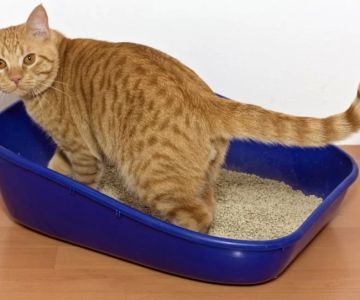
Recognizing urinary stones in cats can be challenging, as the symptoms often mimic other health issues, such as urinary tract infections or kidney problems. However, there are several signs to look for if you suspect that your cat may have urinary stones: 1. Frequent or Painful Urination One of the most common signs that your cat may have urinary stones is frequent urination or attempts to urinate. You may notice your cat visiting the litter box more often than usual. However, they may produce very little urine or seem to struggle while urinating. This is a sign that the stones are obstructing the flow of urine. 2. Blood in Urine If your cat's urine appears bloody or discolored, this could indicate the presence of urinary stones. Stones can cause irritation and damage to the urinary tract, leading to blood in the urine. This is a serious symptom that requires immediate veterinary attention. 3. Licking or Biting the Genital Area Cats with urinary issues often lick or bite at their genital area to relieve discomfort. If you notice this behavior, it could be a sign that your cat is trying to soothe the pain caused by urinary stones. 4. Increased Vocalization Some cats may vocalize more than usual when experiencing pain from urinary stones. If your cat is meowing or crying excessively, especially during or after attempts to urinate, it could be a sign of urinary distress. 5. Changes in Behavior or Appetite A cat suffering from urinary stones may become more withdrawn or lethargic. They might also experience a decrease in appetite or stop eating altogether. This change in behavior can be an indication that your cat is in pain or discomfort.

Diagnosing Feline Urinary Stones

If you notice any of the above symptoms, it’s important to consult a veterinarian as soon as possible. A veterinarian will typically conduct a thorough physical examination and may recommend several diagnostic tests to confirm the presence of urinary stones. 1. Urinalysis A urinalysis is one of the first tests your veterinarian will perform. It helps to analyze the composition of your cat's urine and identify any abnormalities, such as crystals or blood. If urinary stones are present, the urinalysis can also reveal the type of stones. 2. X-rays or Ultrasound To get a clear picture of the size and location of the urinary stones, your veterinarian may recommend an X-ray or ultrasound. These imaging techniques allow the vet to visualize the stones and determine the best course of treatment. 3. Cystoscopy In some cases, your veterinarian may use a cystoscope, a special camera, to examine your cat's bladder and urinary tract. This procedure can help identify stones that may not be visible on an X-ray or ultrasound.

Treating Feline Urinary Stones

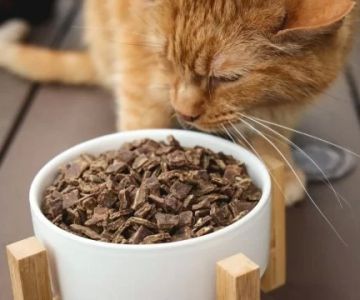
The treatment for urinary stones in cats depends on the type of stones, their size, and the severity of the symptoms. In many cases, early detection and treatment can prevent the need for more invasive procedures. Below are some common treatment options: 1. Dietary Changes For some types of urinary stones, especially struvite stones, dietary changes can be an effective treatment. Specially formulated cat food that helps dissolve the stones and prevents new ones from forming is often recommended. These diets are typically high in moisture and low in magnesium, which helps to reduce the risk of stone formation. 2. Medications In cases where urinary stones are associated with infection, your veterinarian may prescribe antibiotics or other medications to treat the infection. Pain medications may also be prescribed to help alleviate discomfort caused by the stones. 3. Surgical Removal If the stones are large or causing a blockage in the urinary tract, surgery may be necessary to remove them. This is typically done under general anesthesia, and the recovery time can vary depending on the size of the stones and the cat's overall health. 4. Non-Surgical Techniques In some cases, urinary stones can be broken down using non-invasive techniques, such as cystotomy (a procedure where the bladder is opened to remove the stones). There are also newer treatments available that use laser technology to break up stones into smaller, easier-to-pass pieces.

Case Study: Bella's Battle with Urinary Stones

Bella, a 7-year-old domestic shorthair, had always been a healthy and active cat. However, her owner, Sarah, began noticing that Bella was urinating more frequently and showing signs of discomfort. When Bella started to lick her genital area obsessively, Sarah knew something was wrong. After a visit to the veterinarian, Bella was diagnosed with struvite stones. The veterinarian recommended a special diet and prescribed pain relief medication. Sarah diligently followed the treatment plan, and after a few weeks, Bella’s symptoms began to improve. Bella is now on a maintenance diet to prevent future stones, and Sarah is careful to monitor her behavior for any signs of urinary distress. Bella’s case is a great reminder of the importance of early detection and proactive treatment when it comes to feline urinary stones. With the right care, Bella was able to recover fully and return to her normal, happy life.

Preventing Feline Urinary Stones

While some cats may be more predisposed to urinary stones due to their breed, age, or health conditions, there are several steps you can take to help prevent urinary stones from forming in the first place: Provide Plenty of Fresh Water: Ensuring your cat has constant access to fresh water is one of the most important ways to prevent urinary stones. Cats that drink more water are less likely to develop concentrated urine, which can lead to stone formation. Feed a Balanced Diet: High-quality, balanced cat food that meets your cat’s nutritional needs is essential for preventing urinary stones. Consider feeding your cat a diet that is formulated to promote urinary tract health. Encourage Regular Exercise: Regular physical activity helps keep your cat's urinary system healthy. Play with your cat daily to promote exercise and reduce stress. Monitor Your Cat’s Weight: Overweight cats are at a higher risk of developing urinary stones. Ensure your cat maintains a healthy weight by providing a balanced diet and engaging in regular playtime.

Conclusion

Feline urinary stones are a common and serious health concern for cats, but with early detection and appropriate treatment, most cats can recover and lead healthy, comfortable lives. By recognizing the signs of urinary stones early and seeking prompt veterinary care, you can help prevent complications and ensure your cat’s well-being. If you’re concerned about your cat’s urinary health or need help with treatment options, visit Hidden Brook Veterinary for expert advice and services tailored to your pet’s needs.