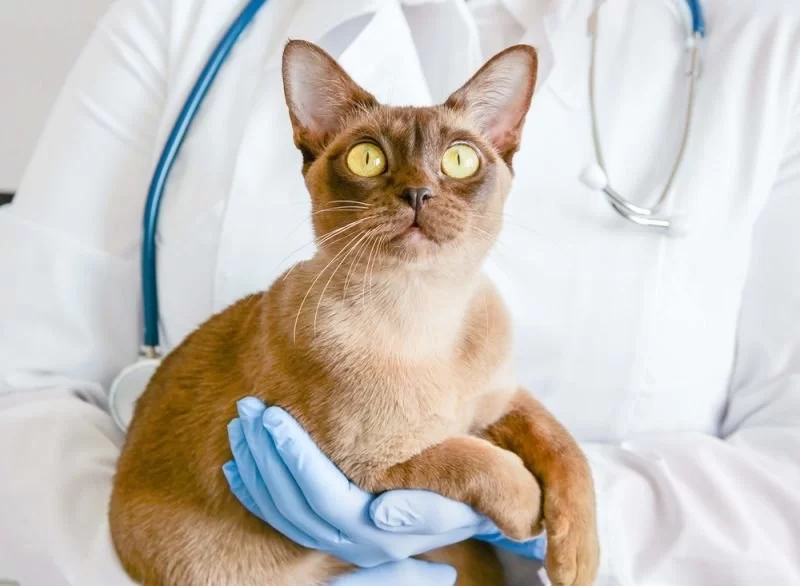
Understanding What Feline Systemic Disease Really Means
Many cat owners hear the term and immediately feel overwhelmed. Feline systemic disease does not refer to a single illness, but rather a group of conditions that affect multiple organs or the entire body. Learning how to recognize and treat pet feline systemic disease begins with understanding that these conditions often develop quietly and progress over time.
Unlike localized issues such as minor skin infections, systemic disease can influence energy levels, appetite, digestion, and even behavior. Because cats instinctively hide discomfort, these changes are often subtle at first, making owner awareness one of the most important tools in early detection.

Early Warning Signs That Should Not Be Ignored
The earliest signs of systemic illness in cats are often easy to dismiss. A slight decrease in appetite, changes in grooming habits, or unusual lethargy may appear harmless at first. Over time, however, these small shifts can signal deeper health concerns.
Weight loss despite normal eating, increased thirst, vomiting, diarrhea, or changes in litter box habits are commonly reported by owners before diagnosis. Behavioral changes, such as hiding more often or reduced interaction, can also be important clues. Paying attention to patterns rather than isolated incidents helps reveal when something more serious may be developing.

Common Causes and Risk Factors Behind Systemic Conditions
Feline systemic disease can stem from various underlying causes. Chronic kidney disease, diabetes, thyroid disorders, immune-mediated conditions, and certain infections are among the most frequently diagnosed contributors. In many cases, age plays a role, as senior cats are more susceptible to systemic changes.
Genetics, diet, environmental stress, and lack of routine veterinary care can also increase risk. Indoor cats are not immune, especially if early symptoms go unnoticed. This is why veterinarians emphasize routine wellness exams as a foundation for prevention and early management.
Real-Life Experiences That Highlight the Importance of Early Care
One commonly shared case involves a cat whose only noticeable change was drinking more water. The owner initially attributed it to warmer weather. During a routine exam, bloodwork revealed early-stage kidney disease. Because it was caught early, dietary changes and monitoring significantly slowed progression.
Veterinary professionals often note that early intervention leads to better outcomes and improved comfort. Clinics like Hidden Brook Veterinary frequently see how proactive care transforms long-term quality of life for cats facing systemic illness.
How Veterinarians Diagnose and Manage Systemic Disease
Diagnosing feline systemic disease typically involves a combination of physical exams, blood tests, urine analysis, and imaging. These tools allow veterinarians to assess organ function and identify patterns that point to systemic involvement rather than isolated issues.
Treatment varies depending on the underlying condition. Some cases require medication, others benefit from specialized diets, and many involve long-term monitoring. The goal is often management rather than cure, focusing on slowing progression and maintaining comfort.
Supporting Long-Term Health and Quality of Life
Treating feline systemic disease is rarely a one-time event. Ongoing care, regular checkups, and open communication with a veterinary team are essential. Owners who understand their cat’s condition feel more confident making daily care decisions and recognizing when adjustments are needed.
With proper support, many cats live full and comfortable lives despite systemic diagnoses. Access to experienced veterinary guidance, such as the services offered through Hidden Brook Veterinary, helps ensure treatment plans remain realistic, compassionate, and tailored to each cat’s needs.