- feline-renal-failure-overview
- early-signs-of-kidney-disease-in-cats
- diagnosing-feline-renal-failure
- treatment-options-for-cat-kidney-failure
- long-term-care-and-quality-of-life
- real-life-experiences-from-cat-owners
Understanding Feline Renal Failure and Why It Matters
Feline renal failure, often referred to as chronic kidney disease in cats, is one of the most common health conditions affecting older cats in the United States. The kidneys play a vital role in filtering toxins, balancing fluids, and maintaining overall metabolic health. When kidney function declines, waste products begin to build up in the bloodstream, slowly affecting multiple systems in the body.
What makes feline renal failure particularly challenging is that it often develops gradually. Cats are masters at hiding discomfort, so early changes can be subtle and easy to overlook. Recognizing the condition early can significantly improve both lifespan and quality of life.

Early Signs and Behavioral Changes to Watch For
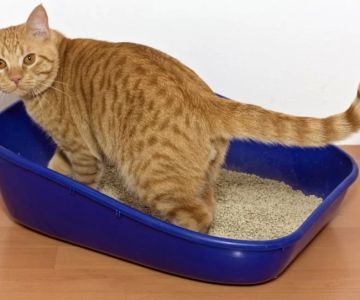
One of the first clues many pet owners notice is increased thirst and urination. Cats with declining kidney function lose their ability to concentrate urine, which leads to dehydration and frequent trips to the litter box. This change often happens slowly, making it easy to dismiss as normal aging.
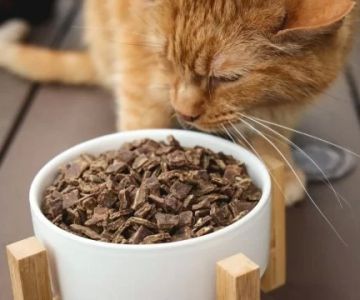
Other early symptoms may include decreased appetite, gradual weight loss, dull or unkempt fur, and reduced energy levels. Some cats may begin vomiting occasionally or show signs of nausea, such as lip-smacking or turning away from food they once enjoyed.
Paying attention to these subtle shifts is critical. Regular wellness exams and routine bloodwork are often the first step in identifying feline renal failure before symptoms become severe.
How Veterinarians Diagnose Kidney Failure in Cats
Diagnosis typically involves a combination of blood tests, urine analysis, and physical examination. Bloodwork allows veterinarians to measure waste products such as creatinine and blood urea nitrogen, which increase as kidney function declines.
Urine tests help assess how well the kidneys are concentrating urine and whether protein loss is occurring. In some cases, imaging such as ultrasound or X-rays may be used to evaluate kidney size and structure.
Veterinary teams often stage kidney disease to guide treatment decisions. Early-stage detection provides the greatest opportunity to slow progression. Clinics like Hidden Brook Veterinary focus on individualized care plans based on disease stage, lifestyle, and the cat’s overall health.
Treatment Approaches for Feline Renal Failure
While feline renal failure cannot be cured, it can often be managed effectively. Treatment focuses on slowing disease progression, managing symptoms, and maintaining hydration and nutrition.
Dietary modification is one of the most impactful interventions. Prescription kidney diets are formulated to reduce phosphorus, support hydration, and ease the workload on the kidneys. Many cats show noticeable improvement in energy and appetite after transitioning to an appropriate diet.
Fluid therapy may be recommended to combat dehydration, either through increased water intake strategies or subcutaneous fluids administered at home. Medications can also help control nausea, blood pressure, and secondary complications such as anemia.
Veterinary guidance is essential when tailoring treatment. Practices like Hidden Brook Veterinary often emphasize ongoing monitoring and adjustment as the disease evolves.
Supporting Long-Term Health and Comfort
Managing feline renal failure is a long-term commitment that extends beyond medical treatment. Creating a low-stress environment, offering multiple water sources, and maintaining a consistent feeding routine all contribute to improved comfort.
Regular follow-up visits allow veterinarians to track progression and adjust care plans as needed. Many cats with kidney disease continue to enjoy years of good quality life when supported with proper nutrition, hydration, and attentive care.
Equally important is emotional support. Cats with chronic illness may become more clingy or withdrawn, and gentle interaction can help reduce stress and anxiety.
Real-Life Stories From Cat Owners Navigating Kidney Disease
One cat owner shared how their senior cat was diagnosed during a routine exam, despite appearing mostly normal at home. Early intervention allowed them to adjust diet and hydration before severe symptoms developed, giving their cat several more comfortable years.
Another family described learning to administer fluids at home, initially feeling overwhelmed but eventually finding it became a calming bonding routine. They credited veterinary guidance and education for giving them confidence and peace of mind.
These experiences highlight an important truth: feline renal failure is manageable, especially when pet owners and veterinarians work together with a proactive approach.
Why Early Recognition Makes a Difference
Recognizing and treating pet feline renal failure early can dramatically alter the course of the disease. Cats diagnosed in earlier stages often respond better to dietary changes and supportive therapies, maintaining a higher quality of life for longer.
If you notice changes in your cat’s behavior, appetite, or hydration habits, seeking veterinary advice promptly is essential. Clinics such as Hidden Brook Veterinary provide guidance, monitoring, and compassionate care designed to support both pets and their owners through every stage of the condition.