How to Recognize and Treat Pet Feline Panleukopenia
- 1- Understanding-Feline-Panleukopenia-and-Its-Severity #Understanding-Feline-Panleukopenia-and-Its-Severity
- 2- Early-Signs-and-Symptoms-in-Cats #Early-Signs-and-Symptoms-in-Cats
- 3- How-the-Disease-Spreads-and-Why-It’s-Dangerous #How-the-Disease-Spreads-and-Why-It’s-Dangerous
- 4- Real-Case-Examples-of-Feline-Panleukopenia #Real-Case-Examples-of-Feline-Panleukopenia
- 5- Diagnosing-Feline-Panleukopenia #Diagnosing-Feline-Panleukopenia
- 6- Treatment-Methods-and-Supportive-Care #Treatment-Methods-and-Supportive-Care
- 7- Home-Care-Tips-During-Recovery #Home-Care-Tips-During-Recovery
- 8- Preventive-Measures-to-Protect-Your-Cat #Preventive-Measures-to-Protect-Your-Cat
- 9- How-Hidden-Brook-Veterinary-Can-Help #How-Hidden-Brook-Veterinary-Can-Help
1. Understanding Feline Panleukopenia and Its Severity
Feline panleukopenia, often referred to as “feline parvo,” is one of the most severe viral diseases affecting cats. It is caused by the feline parvovirus (FPV), a highly contagious organism that targets rapidly dividing cells within the body. This leads to a dangerous drop in white blood cells, leaving cats vulnerable to secondary infections and severe dehydration.
The disease is particularly dangerous in kittens, senior cats, and those with weakened immune systems. While the illness is frightening, early recognition and prompt veterinary intervention drastically improve survival chances. Many cat owners in the United States are becoming more aware of the importance of prevention and early detection due to increased discussions across social media and pet care communities.

2. Early Signs and Symptoms in Cats
Recognizing feline panleukopenia early is the most important step in improving outcomes. Symptoms can develop rapidly and escalate within hours, making close monitoring essential.

1. Sudden Lethargy and Weakness
A cat that becomes unusually tired or unresponsive may be showing early signs. This profound fatigue is caused by the virus attacking the immune and digestive systems simultaneously.
2. Vomiting and Severe Dehydration
Frequent vomiting is a hallmark symptom. Cats quickly lose fluids and electrolytes, leading to dangerous dehydration if untreated.
3. Loss of Appetite
Cats with panleukopenia often refuse food or water. This further weakens their system and accelerates the disease progression.
4. Watery or Bloody Diarrhea
Severe gastrointestinal distress is common, with diarrhea ranging from mild to extremely severe.
5. Fever or Sudden Drop in Body Temperature
Cats may spike a high fever initially, but as the disease progresses, their temperature may fall, signaling critical decline.
3. How the Disease Spreads and Why It’s Dangerous
Feline panleukopenia spreads primarily through direct contact with infected bodily fluids, contaminated objects, or environments. FPV is incredibly resilient and can survive on surfaces, bedding, shoes, and clothing for months.
Because of its durability, outbreaks are most common in shelters, community cat colonies, and multi-cat households without strict vaccination protocols. The virus’s ability to devastate the immune system makes it especially dangerous, often leading to secondary infections that compound the severity of the illness.
4. Real Case Examples of Feline Panleukopenia
A widely discussed case involved a kitten named Willow adopted from a community rescue. Within two days, Willow became lethargic and stopped eating. Her new family rushed her to an emergency clinic where she was diagnosed with panleukopenia. Willow required intensive care, including IV fluids and antiviral support, but fortunately survived due to quick action.
Another story from a midwestern rescue shelter described an outbreak where several unvaccinated kittens fell ill. One volunteer shared how rapid isolation, deep sanitation protocols, and emergency vet support saved half the litter. These stories underscore both the danger of the disease and the importance of prompt veterinary involvement.
5. Diagnosing Feline Panleukopenia
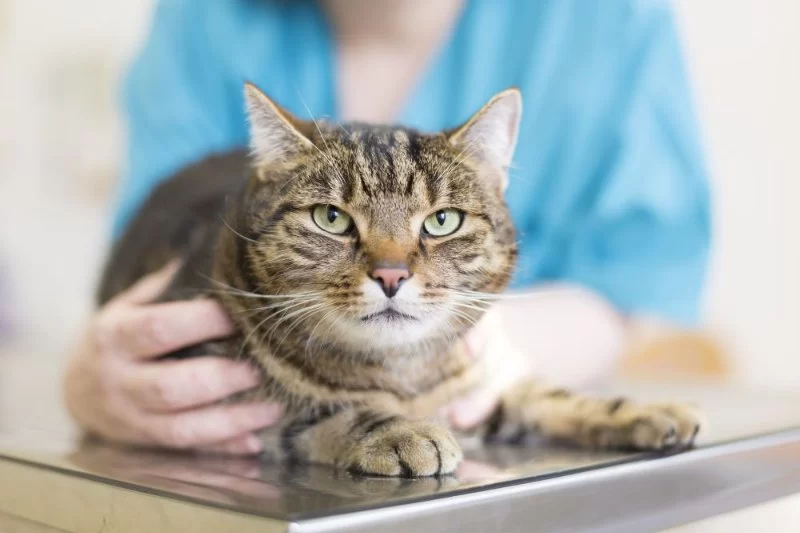
Veterinarians typically diagnose the disease through a combination of physical exams, blood tests, and stool antigen tests. FPV drastically lowers white blood cell counts, creating a distinctive profile during bloodwork.
Rapid testing allows for early diagnosis, making timely treatment possible. In severe cases, imaging or additional diagnostics may be needed to rule out other conditions with similar symptoms.
6. Treatment Methods and Supportive Care
Treating feline panleukopenia requires aggressive supportive care. Since there is no direct antiviral cure, treatment focuses on stabilizing the cat’s body while its immune system fights the virus.
1. Fluid Therapy
Intravenous or subcutaneous fluids help address dehydration and electrolyte imbalance, both life-threatening complications.
2. Anti-Nausea and Pain Management
Medications can reduce vomiting, control abdominal pain, and make recovery more manageable for the cat.
3. Antibiotics to Prevent Secondary Infections
Because FPV weakens immune defenses, broad-spectrum antibiotics help protect against dangerous bacterial infections.
4. Nutritional Support
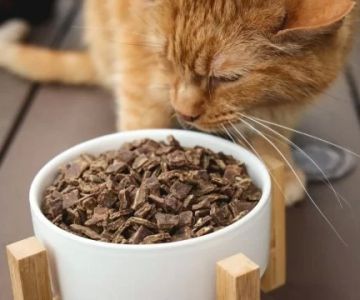
Veterinarians may provide assisted feeding if the cat refuses to eat. Maintaining nutrient intake is essential for recovery.
5. Strict Isolation
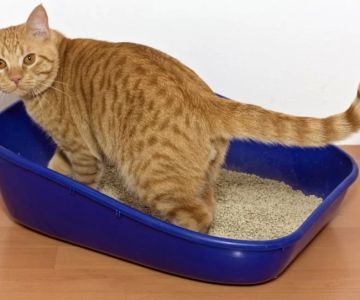
Infected cats must be isolated to prevent spreading the virus to other animals. Owners should disinfect all bedding, litter boxes, toys, and surfaces thoroughly.
7. Home Care Tips During Recovery
Caring for a recovering cat requires patience, dedication, and a calm environment. Owners should ensure their cat has a quiet space with low lighting, soft bedding, and easy access to fresh water.
Monitoring appetite, hydration, and litter box habits is essential. Small, frequent meals are often easier for recovering cats to manage. Emotional comfort also matters; gentle interaction and reassurance help reduce stress, which supports healing.
8. Preventive Measures to Protect Your Cat
Vaccination is the most effective way to prevent feline panleukopenia. The FPV vaccine is part of the core series recommended for all kittens and adult cats. Maintaining a clean home environment and practicing good hygiene—especially after visiting shelters—also significantly reduces infection risk.
New cats entering a household should be quarantined for several days until vaccination status is confirmed to prevent accidental spread.
9. How Hidden Brook Veterinary Can Help
Hidden Brook Veterinary provides comprehensive diagnostic care, treatment guidance, and prevention-focused consultations for feline panleukopenia. Their experienced team understands how quickly this disease progresses and offers immediate medical support to improve survival rates.
Whether you need vaccination recommendations, emergency treatment, or professional advice for managing recovery at home, Hidden Brook Veterinary is equipped to guide you through every step with compassion and expertise.