- 1. Understanding Feline Organ Failure
- 2. Symptoms of Organ Failure in Cats
- 3. Types of Organ Failure in Cats
- 4. Treating Feline Organ Failure
- 5. Prevention and Care for Cats with Organ Failure
1. Understanding Feline Organ Failure
Feline organ failure refers to the deterioration of one or more of a cat’s vital organs. Organ failure in cats is a serious condition that can result in a decline in their overall health and quality of life. It can affect various organs, including the kidneys, liver, heart, and lungs. The cause of organ failure in cats can vary, with common contributing factors being age, genetics, infections, toxins, and underlying health conditions.
As a responsible cat owner, it’s crucial to recognize the signs of organ failure early so that you can seek prompt treatment. Early intervention can improve your cat’s prognosis and help manage symptoms, providing them with a better quality of life. In this guide, we will cover how to recognize the symptoms of organ failure in cats, the types of organ failure, and how to treat and care for your cat through these challenges.

2. Symptoms of Organ Failure in Cats
Identifying the symptoms of organ failure in cats can be challenging, as the signs may develop gradually. However, being aware of the following symptoms can help you identify the early stages of organ failure and seek veterinary care promptly:

2.1 Loss of Appetite and Weight Loss
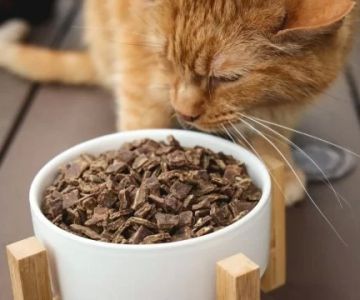
One of the most common signs of organ failure in cats is a noticeable loss of appetite and weight. If your cat is eating less or showing little interest in food, it could be a sign that their organs are struggling to function properly. In many cases, this is particularly common with kidney and liver failure.
2.2 Increased Thirst and Urination
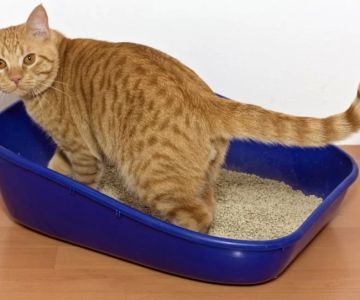
Excessive thirst and increased urination are frequent indicators of kidney failure in cats. The kidneys play a key role in regulating fluid balance, and when they begin to fail, cats may drink more water and urinate more frequently in an attempt to compensate for lost function.
2.3 Lethargy and Weakness
Cats with organ failure often experience extreme fatigue and weakness. If your cat seems unusually lethargic, has difficulty getting up, or appears to have reduced energy, these could be signs of organ distress, particularly heart or kidney failure.
2.4 Vomiting and Diarrhea
Vomiting and diarrhea can also indicate that a cat’s organs are failing, especially in cases of kidney or liver failure. These digestive symptoms are often accompanied by dehydration, making it even more important to seek veterinary care.
2.5 Breathing Problems
If your cat has difficulty breathing or shows signs of rapid or labored breathing, it may indicate lung or heart failure. Cats with advanced organ failure may also display bluish gums or a dull coat.
3. Types of Organ Failure in Cats
Organ failure in cats can affect various systems, with the most common types being kidney failure, liver failure, and heart failure. Understanding the different types of organ failure is crucial for determining the best treatment options for your cat.
3.1 Kidney Failure
Kidney failure is one of the most common forms of organ failure in cats, especially in older cats. Chronic kidney disease (CKD) is a gradual decline in kidney function, while acute kidney failure occurs more suddenly due to toxins, infections, or injury. Cats with kidney failure often experience dehydration, loss of appetite, and weight loss.
3.2 Liver Failure
Liver failure can also be life-threatening if not addressed promptly. The liver is responsible for detoxifying the body and producing essential proteins, so when it fails, it can lead to jaundice, vomiting, and changes in appetite. Liver failure in cats can be caused by infections, toxins, or long-term liver disease.
3.3 Heart Failure
Heart failure in cats occurs when the heart is no longer able to pump blood efficiently. This leads to fluid buildup in the lungs or abdomen and can cause breathing difficulties, lethargy, and loss of appetite. Heart disease in cats is often related to high blood pressure, congenital defects, or heartworm disease.
4. Treating Feline Organ Failure
Treatment for feline organ failure depends on the type of organ affected and the severity of the condition. In general, treatment options aim to manage the symptoms, slow the progression of the disease, and improve the cat's quality of life.
4.1 Veterinary Care
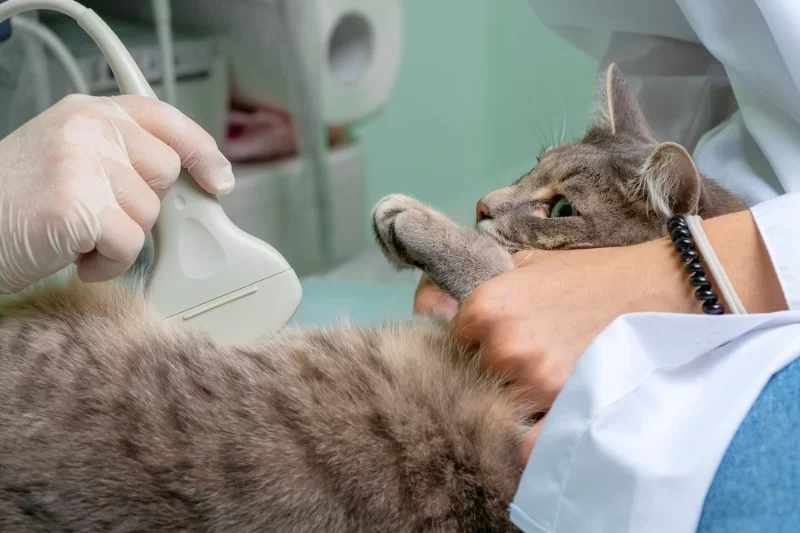
It’s essential to take your cat to a veterinarian as soon as you suspect organ failure. A veterinarian will perform diagnostic tests, including bloodwork, urine tests, X-rays, and ultrasounds, to determine the cause and extent of the organ failure. Based on the diagnosis, your vet may recommend the following treatments:
4.2 Medications
Depending on the type of organ failure, your cat may be prescribed medications to manage symptoms, such as diuretics for fluid buildup, antihypertensive drugs for high blood pressure, or appetite stimulants to encourage eating. Cats with kidney failure may also require medications to help regulate phosphorus levels and support kidney function.
4.3 Diet and Nutrition
A specialized diet is essential for cats with organ failure, particularly those with kidney or liver problems. Your vet may recommend a prescription diet that is lower in protein and phosphorus to reduce the burden on the kidneys or liver. In some cases, your cat may need to receive intravenous fluids or subcutaneous hydration to keep them hydrated and prevent further damage to the organs.
4.4 Surgery or Other Interventions
In severe cases, surgery or other interventions may be necessary. For example, cats with heart disease may require heart medications or, in rare cases, surgery to correct congenital heart defects. Cats with certain liver conditions may need surgery to remove tumors or blockages.
5. Prevention and Care for Cats with Organ Failure
While some causes of organ failure are unavoidable, there are steps you can take to help prevent or manage feline organ failure:
5.1 Regular Veterinary Checkups
Regular veterinary checkups are vital for detecting organ failure early. Routine blood tests and urine tests can help identify kidney or liver problems before they become serious. Early diagnosis and treatment can greatly improve your cat’s prognosis.
5.2 Maintain a Healthy Diet
A balanced, high-quality diet is essential for your cat’s overall health. Ensure that your cat has access to fresh water at all times and that they are eating nutritionally balanced food appropriate for their age and health needs. Some cats may benefit from supplements or prescription diets designed to support organ function.
5.3 Minimize Toxins
Exposure to toxins is a common cause of organ failure in cats. Keep harmful chemicals, such as household cleaners, plants that are toxic to cats, and certain medications, out of reach. Be cautious with any food items that may be harmful to cats, such as onions, chocolate, or grapes.
If you suspect that your cat is showing signs of organ failure, visit Hidden Brook Veterinary for expert care and treatment options. Your veterinarian can provide personalized advice on managing your cat’s health and offer the best solutions to improve their well-being.