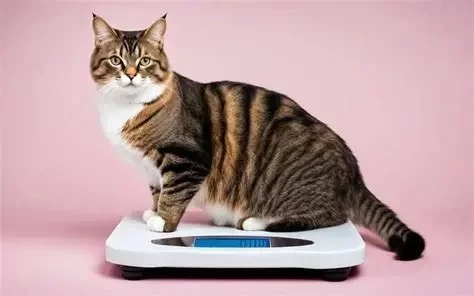
How to Recognize and Treat Pet Feline Obesity
- 1. What is Feline Obesity?
- 2. Signs Your Cat Might Be Obese
- 3. Health Risks of Obesity in Cats
- 4. How to Treat Obesity in Cats: Effective Strategies
- 5. Real-Life Story: Overcoming Feline Obesity
- 6. When to Consult Your Vet for Feline Obesity
1. What is Feline Obesity?
Feline obesity is a condition in which a cat has an excessive amount of body fat. It's becoming an increasingly common health concern for many pet owners. Just like in humans, obesity in cats can lead to a number of health problems that affect their quality of life and longevity. It's essential to recognize and address this condition early to ensure your cat remains happy and healthy.

2. Signs Your Cat Might Be Obese
Recognizing obesity in cats can be tricky since their fur often hides weight gain. However, there are several signs you can look for to determine if your cat is overweight or obese:
- Ribs and Waist: If you can’t feel your cat’s ribs or see a noticeable waistline, it might be a sign of obesity. Normally, you should be able to feel the ribs with light pressure.
- Reduced Activity: Overweight cats may become more lethargic or show less interest in playing or exploring. This is because carrying excess weight can be tiring and uncomfortable for them.
- Visible Belly Fat: A noticeable sagging belly is often an indicator that your cat is carrying extra weight.
3. Health Risks of Obesity in Cats
Obesity in cats is more than just an aesthetic concern. It can lead to serious health issues, including:
- Joint Problems: The extra weight puts strain on your cat’s joints, which can lead to arthritis and mobility issues.
- Diabetes: Obesity increases the risk of diabetes in cats, which can significantly affect their health and longevity.
- Heart Disease: Overweight cats are at a higher risk of developing heart disease due to the increased workload on their cardiovascular system.
- Liver Disease: Obesity can also lead to fatty liver disease, which can be life-threatening if not addressed promptly.
4. How to Treat Obesity in Cats: Effective Strategies
Treating feline obesity requires a combination of proper diet, exercise, and possibly medical intervention. Here are some effective strategies to help manage your cat’s weight:
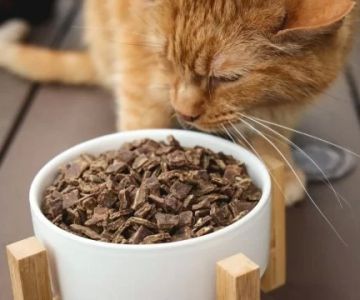
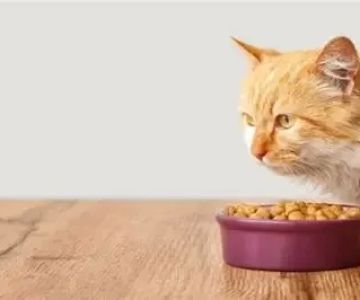
- Diet Control: Start by consulting with your vet to determine the right food portion sizes and type of diet for your cat. A high-protein, low-carb diet may be beneficial for weight loss.
- Regular Exercise: Encourage more active play with toys that stimulate your cat’s natural hunting instincts. Regular playtime can help burn calories and improve overall health.
- Gradual Weight Loss: Avoid drastic changes. Weight loss should be gradual, aiming for about 1-2% of body weight loss per week. Sudden weight loss can be harmful to your cat’s health.
- Monitor Progress: Regular weigh-ins and monitoring your cat’s body condition are essential to ensure they are losing weight at a healthy rate.
5. Real-Life Story: Overcoming Feline Obesity
A great example of successful feline weight management comes from my own experience with my cat, Muffin. Muffin was extremely overweight, and after a vet visit, we learned that she was at risk for diabetes. With the help of a tailored diet plan and increased playtime, we were able to help Muffin lose weight gradually. It wasn’t easy, but with consistency and patience, Muffin is now healthier and more active than ever!
6. When to Consult Your Vet for Feline Obesity
If you notice signs of obesity in your cat, it’s essential to consult a veterinarian. A vet can assess your cat’s overall health, provide personalized advice, and rule out any underlying medical conditions that may be contributing to the weight gain. Additionally, if your cat is struggling with weight loss or showing signs of health problems, professional guidance is critical.
At Hidden Brook Veterinary, we specialize in feline health and can offer the best advice and services for managing your cat's weight and overall well-being. Visit us for a consultation or to get recommendations for products that can help with your cat's health journey.