- #How-to-Recognize-and-Treat-Pet-Feline-Neoplasia—understanding-the-condition
- #Early-warning-signs-and-behavioral-changes-associated-with-feline-neoplasia
- #Diagnostic-methods-and-why-early-detection-matters
- #Treatment-options-for-feline-neoplasia-with-real-life-examples
- #Professional-guidance-and-support-from-Hidden-Brook-Veterinary
How to Recognize and Treat Pet Feline Neoplasia—Understanding the Condition
Pet owners across the United States are increasingly searching for reliable information on How to Recognize and Treat Pet Feline Neoplasia, especially as more cats now live well into their senior years. Feline neoplasia refers to abnormal cell growth—commonly known as tumors—that may be benign or malignant. While the word “neoplasia” can be frightening, understanding the condition can help you take proactive steps toward early detection and effective treatment.
Cats are skilled at hiding pain or weakness, so many cases of neoplasia go unnoticed until the condition progresses. Being aware of subtle changes in your cat’s appearance, habits, or energy level can make all the difference. When detected early, many forms of feline neoplasia can be managed successfully, allowing pets to enjoy a significantly improved quality of life.
Pet owners who want clear guidance and personalized recommendations often turn to Hidden Brook Veterinary for expert evaluation and treatment planning.

Early Warning Signs and Behavioral Changes Associated With Feline Neoplasia
Cats express discomfort or illness in subtle, often quiet ways. Recognizing early symptoms is essential in ensuring timely care. While signs vary depending on the type and location of the tumor, certain patterns appear frequently enough to raise concern.
1. Unexplained weight loss despite normal eating habits
Weight loss is one of the most common early symptoms of internal neoplasia. Even if your cat is eating normally, tumors can alter metabolism or interfere with nutrient absorption.
2. Lumps or masses under the skin
While not all lumps are cancerous, any new or fast-growing mass should prompt a veterinary visit. Some lumps appear near the mammary glands, neck, or limbs, and may change texture over time.
3. Changes in appetite or water intake
Tumors affecting the digestive system, liver, or kidneys may cause cats to eat more, eat less, or drink unusually large amounts of water. Sudden appetite shifts often indicate underlying issues.
4. Behavioral and mobility changes
Cats experiencing discomfort may hide more often, avoid being touched, or show decreased interest in play. Difficulty jumping or moving can signal bone or muscle involvement.
5. Persistent vomiting, diarrhea, or coughing
Certain cancers affect the gastrointestinal tract or respiratory system, causing chronic symptoms that seem unrelated at first glance.
Pet owners noticing any of these symptoms can seek evaluation and support from Hidden Brook Veterinary, where experts can guide next steps with professionalism and compassion.

621 Larpenteur Ave W, Roseville, MN 55113, USA
See DetailsDiagnostic Methods and Why Early Detection Matters
Detecting feline neoplasia early significantly increases treatment success rates. Veterinarians use a combination of diagnostic tools to identify tumors, evaluate their type, and determine how far they have progressed.
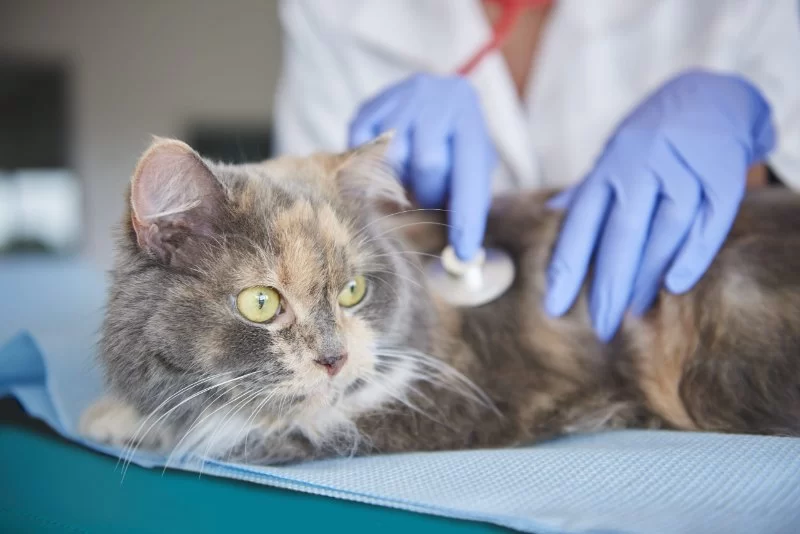
1. Physical examinations and palpation
Hands-on assessment can reveal lumps, swelling, organ enlargement, or discomfort that may indicate tumor growth. Even subtle findings can prompt deeper investigation.
2. Blood tests and biochemical analysis
Bloodwork helps identify organ dysfunction, abnormal cell counts, and markers associated with neoplasia. It is often the first step in diagnosing internal tumors.
3. Ultrasound and X-ray imaging
Imaging allows veterinarians to examine internal organs, detect hidden masses, and assess whether tumors have spread. Ultrasound is particularly valuable for abdominal cancers.
4. Biopsies for definitive diagnosis
A biopsy involves collecting a small tissue sample for laboratory analysis. This confirms whether a tumor is benign or malignant, helping guide treatment decisions.
Early detection doesn’t just improve survival—it also gives cats a better chance at maintaining comfort and energy during treatment.
Treatment Options for Feline Neoplasia With Real-Life Examples
Once a diagnosis is confirmed, veterinarians create a personalized treatment plan based on the tumor type, location, and progression. Modern veterinary medicine offers a range of effective options, allowing many cats to recover or enjoy extended periods of symptom relief.
1. Surgical removal of tumors
Surgery is often the first line of defense for localized tumors. Removing the mass can restore normal function and prevent further complications. Many cats recover quickly with proper post-operative care.
2. Chemotherapy tailored for pets
Feline chemotherapy is designed to be gentler than human protocols. Most cats tolerate it well, and it is effective for cancers such as lymphoma and certain mammary tumors.
3. Radiation therapy for targeted treatment
Radiation can shrink tumors or eliminate cancerous cells in areas where surgery is difficult. It is often used in combination with other treatments for stronger results.
4. Comfort-focused and supportive care
For older cats or advanced cases, the goal may be improving quality of life through pain management, nutritional support, and environmental adjustments.
A widely shared story online featured a senior cat named Willow, whose owner discovered a small lump near her abdomen. Early evaluation led to a successful surgery and follow-up treatment, allowing Willow to return to her playful, affectionate personality within months. Stories like this remind pet owners that early action can truly change outcomes.
Pet owners seeking professional treatment options, second opinions, or long-term care guidance often rely on Hidden Brook Veterinary for trustworthy expertise.
Professional Guidance and Support From Hidden Brook Veterinary
Navigating feline neoplasia can be overwhelming, but you don’t have to face it alone. Professional veterinarians can help assess symptoms, complete diagnostic testing, and create tailored treatment plans suited to your cat’s unique needs. Early consultation ensures the best possible prognosis and helps reduce stress for both you and your pet.
Hidden Brook Veterinary provides compassionate, knowledgeable support for families managing feline neoplasia. Whether you need diagnostic help, treatment recommendations, or ongoing care, expert guidance ensures your cat receives attentive, effective medical support at every stage.
With awareness, early detection, and the right treatment strategy, many cats with neoplasia can continue living full, loving lives.