- #recognize-pet-feline-multi-organ-failure—early-warning-signs-and-behavior-changes
- #medical-causes-and-risk-factors—how-to-understand-why-multi-organ-failure-develops
- #how-to-recognize-and-treat-pet-feline-multi-organ-failure—veterinary-care-and-home-support
- #real-life-care-story—cat-owner-experience-and-recovery-lessons
- #when-to-seek-professional-help—support-options-and-hidden-brook-veterinary
1. Recognizing Early Warning Signs in Pet Feline Multi-Organ Failure
When discussing how to recognize and treat pet feline multi-organ failure, the most important step for cat owners is understanding the early warning signs. Multi-organ failure in cats often develops gradually, and the first symptoms may look like normal aging or stress. Many pet parents report behavior changes before any obvious medical crisis appears, which is why awareness is essential.
Common early symptoms may include sudden lethargy, decreased appetite, weight loss, vomiting, excessive thirst or urination, and changes in breathing. Some cats may hide more than usual or avoid interaction. Because cats instinctively mask illness, these small shifts can be easy to overlook. Pet owners who have personally lived through a feline health scare often describe a “gut feeling” that something wasn’t right long before a diagnosis was made.
Recognizing these subtle signs early can make a meaningful difference. While every case is different, seeking guidance as soon as unusual symptoms appear helps improve comfort, treatment outcomes, and quality of life for the cat.

2. Medical Causes and Risk Factors Behind Feline Multi-Organ Failure
Understanding what leads to multi-organ failure can help owners respond faster and more confidently. In many cases, multi-organ failure is not a single disease, but rather the result of several underlying conditions affecting the body at once. This is especially true in senior cats or those with chronic illnesses.

2.1 Age-Related Organ Decline
As cats age, organs such as the kidneys, liver, and heart may weaken over time. Chronic kidney disease is one of the most common contributors and can eventually affect other organs if unmanaged.
2.2 Toxins, Infections, or Severe Illness
Exposure to toxins, untreated infections, pancreatitis, or complications from diabetes or thyroid disease may place extreme stress on multiple organs at once. In emergency cases, rapid medical care is critical.
2.3 Dehydration and Nutritional Deficiency
Cats that stop eating or drinking — even for a short time — can decline quickly. This is especially true for older cats or cats already battling chronic illness.
Learning how to recognize and treat pet feline multi-organ failure begins with understanding that no two cases are identical. A compassionate, individualized approach is essential.
3. How to Recognize and Treat Pet Feline Multi-Organ Failure — Veterinary Care and Home Support
Treatment for feline multi-organ failure depends on the cause, severity, and how early it is identified. Veterinary evaluation is always necessary, since laboratory testing and imaging help determine which organs are affected and what care plan is appropriate.
3.1 Stabilization and Supportive Care
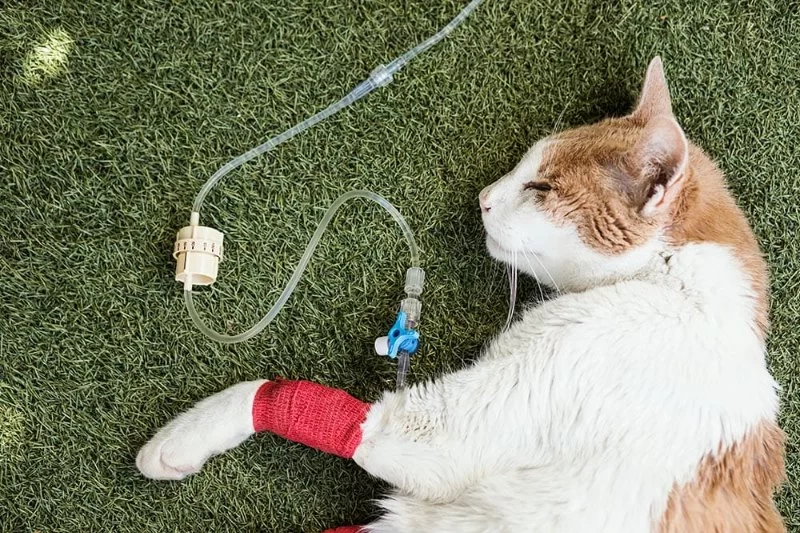
In many cases, treatment begins with hospitalization, fluids, oxygen support, and medications to stabilize organ function. Cats may also receive nutritional support and pain management to improve comfort.
3.2 Long-Term Management and Monitoring
Some cats respond well to treatment and transition into at-home care. This may include special diets, hydration support, medications, and routine follow-ups. Many pet owners describe this phase as a partnership between the family, the veterinarian, and the cat — where comfort, dignity, and quality of life guide every decision.
3.3 Emotional Support for Pet Owners
Caring for a cat with multi-organ failure can be emotionally overwhelming. Families often share that they struggled with uncertainty while trying to do what was best for their pet. Compassionate guidance and honest communication from veterinary professionals can make the journey far less stressful.
4. Real-Life Care Story — A Cat Owner’s Experience and Lessons Learned
One widely shared case online involved a senior cat whose owner noticed small but persistent changes — slower movements, quiet behavior, and decreased appetite. What seemed minor eventually led to a veterinary exam, which revealed multi-organ failure in early stages. Because the condition was caught sooner rather than later, the cat received supportive treatment, fluid therapy, and nutritional care.
The owner described the experience as eye-opening, noting that “paying attention to the little changes saved precious time.” Although recovery looked different than before illness, the cat regained comfort and quality of life for many months with careful monitoring and compassionate home care.
Stories like this remind pet families that awareness, quick action, and trusted veterinary support truly matter.
5. When to Seek Professional Help — Support Options and Hidden Brook Veterinary
If you suspect your cat may be experiencing symptoms related to multi-organ failure, contacting a veterinary professional as early as possible is one of the most meaningful steps you can take. Even if you’re unsure, asking questions and requesting evaluation can provide clarity and peace of mind.
At Hidden Brook Veterinary, pet families can find compassionate care, diagnostic guidance, and treatment recommendations tailored to each cat’s unique condition. Whether you’re seeking preventive insight or navigating a complex medical diagnosis, having a knowledgeable team on your side can make the process feel less overwhelming and far more supported.
Every feline life story is different — and with awareness, early recognition, and thoughtful treatment, many cats are able to experience comfort, connection, and dignity throughout their care journey.