- why-multi-organ-degeneration-in-cats-is-hard-to-spot-early
- early-warning-signs-of-feline-multi-organ-degeneration
- understanding-how-multiple-organ-systems-are-affected
- how-veterinarians-recognize-and-diagnose-the-condition
- treatment-approaches-and-supportive-care-options
- real-life-examples-of-cats-living-with-complex-conditions
- long-term-care-and-quality-of-life-considerations
Why Multi-Organ Degeneration in Cats Is Hard to Spot Early
Cats are remarkably skilled at masking illness, especially when multiple internal systems are involved. This is one reason why learning how to recognize and treat pet feline multi-organ degeneration is so important for owners. The condition often develops gradually, affecting more than one organ system at the same time, which can make symptoms appear vague or unrelated.
Unlike a single, clearly defined illness, multi-organ degeneration may involve the kidneys, liver, heart, endocrine system, or gastrointestinal tract simultaneously. Early signs are easy to dismiss as aging or stress, which delays diagnosis and treatment.

Early Warning Signs of Feline Multi-Organ Degeneration
The earliest indicators are often subtle changes in behavior or daily habits. Paying attention to these shifts can help owners seek care before irreversible damage occurs.

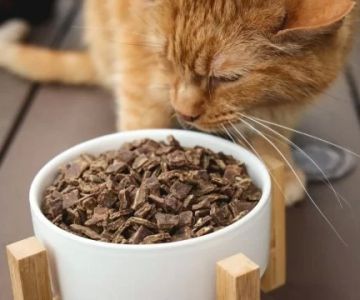
1. Changes in Appetite, Weight, or Thirst
Unexplained weight loss, decreased interest in food, or increased water intake may signal underlying organ stress rather than a simple dietary issue.
2. Energy Levels and Behavioral Shifts
Cats may become less playful, sleep more than usual, or withdraw socially. These changes often reflect systemic fatigue rather than normal aging.
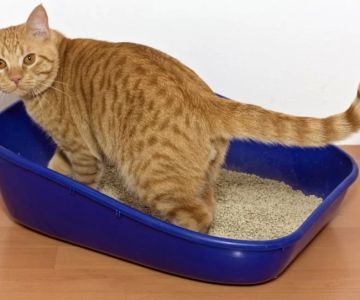
3. Digestive and Litter Box Changes
Vomiting, diarrhea, constipation, or altered urination habits can indicate that multiple organ systems are struggling to maintain balance.
Understanding How Multiple Organ Systems Are Affected
Multi-organ degeneration rarely occurs without an underlying cause. Instead, it often develops as one system weakens and places strain on others.
1. Kidney and Liver Interactions
Chronic kidney disease can affect toxin filtration, increasing liver workload. Over time, both organs may decline together.
2. Heart and Circulatory Impact
Heart disease can reduce blood flow to vital organs, accelerating degeneration and limiting the body’s ability to heal.
3. Hormonal and Immune System Involvement
Endocrine disorders and immune dysfunction may complicate treatment, making symptoms appear inconsistent or unpredictable.
How Veterinarians Recognize and Diagnose the Condition
Diagnosing multi-organ degeneration requires a comprehensive approach rather than focusing on one symptom at a time.
1. Detailed Health History and Physical Exams
Veterinarians look for patterns over time, including gradual changes that may not seem significant on their own.
2. Diagnostic Testing and Monitoring
Blood work, imaging, and ongoing monitoring help identify which systems are affected and how they interact.
3. Individualized Assessment
Each cat’s condition is unique. Diagnosis focuses on understanding the full picture rather than labeling a single disease.
Treatment Approaches and Supportive Care Options
Treatment focuses on slowing progression, managing symptoms, and preserving quality of life rather than curing a single condition.
1. Managing Each Affected System
Medications, dietary adjustments, and supplements are often combined to support multiple organs simultaneously.
2. Ongoing Monitoring and Adjustments
Treatment plans evolve as conditions change. Regular re-evaluation allows veterinarians to adjust care as needed.
3. At-Home Support and Stress Reduction
A calm environment, predictable routines, and attentive home care help reduce physical strain and emotional stress.
Real-Life Examples of Cats Living With Complex Conditions
One commonly shared case involved a senior cat initially treated for kidney disease. Further testing revealed concurrent heart and thyroid issues. With a carefully coordinated treatment plan, the cat maintained comfort and stability for years beyond the initial diagnosis.
Another example involved a middle-aged rescue cat whose lethargy and appetite loss were traced to multiple organ involvement. Early intervention allowed the care team to slow progression and significantly improve daily energy levels.
Long-Term Care and Quality of Life Considerations
Understanding how to recognize and treat pet feline multi-organ degeneration empowers owners to make informed, compassionate decisions. The goal is not just extending life, but maintaining comfort, dignity, and routine.
Veterinary teams such as those at Hidden Brook Veterinary can help guide owners through complex diagnoses, coordinate care strategies, and provide ongoing support tailored to each cat’s needs.
With attentive observation, professional guidance, and thoughtful home care, many cats with multi-organ degeneration can continue to enjoy meaningful, comfortable lives despite medical complexity.