- 1 - understanding-condition - Understanding Feline Lymphocytic Colitis in Household Pets
- 2 - early-signs - Early Signs That Indicate Your Cat May Have Lymphocytic Colitis
- 3 - causes-and-risk - What Causes Lymphocytic Colitis and Which Cats Are Most at Risk
- 4 - diagnosis-process - How Veterinarians Diagnose This Gastrointestinal Condition
- 5 - treatment-options - Proven Treatment Options for Managing Feline Lymphocytic Colitis
- 6 - home-care-tips - Practical At-Home Care Tips to Support Healing
- 7 - real-case-story - A Real Pet Owner’s Experience with Managing This Condition
- 8 - when-to-seek-help - When You Should Seek Professional Veterinary Help
1. Understanding Feline Lymphocytic Colitis in Household Pets
Feline lymphocytic colitis is an inflammatory bowel condition that affects the large intestine. It occurs when lymphocytes—white blood cells that normally defend the body—accumulate in the colon lining and cause irritation. Many cat owners in the U.S. first notice their pets showing subtle digestive changes that gradually become more disruptive. Because digestive disorders can look similar, understanding how to recognize and treat pet feline lymphocytic colitis early can make a significant difference in comfort and recovery.
Cats with this condition often experience intermittent flare-ups, making it easy to overlook the early warning signs. For many pet parents, the challenge lies in distinguishing temporary stomach upset from a chronic gastrointestinal disorder that requires long-term management.

2. Early Signs That Indicate Your Cat May Have Lymphocytic Colitis
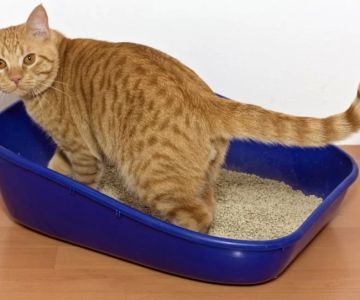
Symptoms vary, but several common patterns appear in cats with this condition. Many owners report that their pets start having soft or mucous-filled stools. Others describe their cats visiting the litter box more frequently while producing small amounts of stool each time. Straining, vocalizing during bowel movements, or sudden stool accidents outside the litter box may also signal inflammation.
Weight loss, reduced energy, and a subtle decline in appetite often develop as inflammation progresses. While these signs could relate to many medical issues, noticing them together makes it more important to consider lymphocytic colitis as a potential cause.
8525 Baltimore National Pike Suite E, Ellicott City, MD 21043, USA
See Details3. What Causes Lymphocytic Colitis and Which Cats Are Most at Risk
The exact cause isn’t always clear, but veterinarians believe genetics, food sensitivities, immune system imbalances, stress, and exposure to gastrointestinal infections may play roles. Some cats appear more susceptible due to immune overreaction, where their bodies respond excessively to normal intestinal bacteria or food proteins.
Younger adult cats are often diagnosed, though the condition can occur at any age. Cats with a history of chronic diarrhea or previous inflammatory bowel episodes also have a higher risk of developing this particular form of colitis.
4. How Veterinarians Diagnose This Gastrointestinal Condition
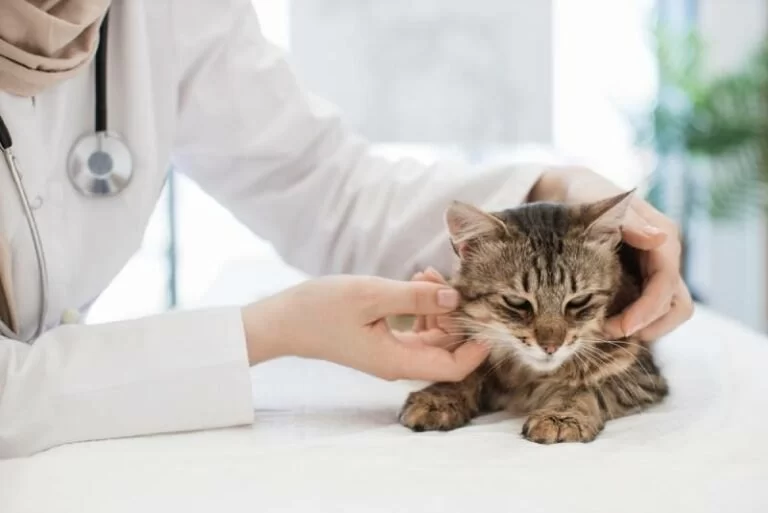
Diagnosis involves ruling out more common causes of diarrhea first, such as parasites, bacterial infections, and dietary intolerance. Once these are ruled out, veterinarians may recommend bloodwork, fecal testing, abdominal imaging, and sometimes a colon biopsy to identify lymphocytic infiltration in the colon lining.
Because biopsy is the only definitive method for diagnosis, veterinarians often begin treatment based on clinical signs while monitoring the cat’s response. Many U.S. pet owners choose clinics that specialize in digestive conditions—places like Hidden Brook Veterinary, which help guide cat owners through the entire diagnosis and treatment process with clarity and reassurance.
5. Proven Treatment Options for Managing Feline Lymphocytic Colitis
Managing feline lymphocytic colitis often requires a combination of diet changes, medication, and supportive care. Many cats show improvement after switching to a limited-ingredient or hydrolyzed protein diet that reduces immune reactions in the gut. Anti-inflammatory medications may also help calm the colon lining during flare-ups.
Probiotics, fiber supplements, and specific prescription diets are commonly recommended. In some cases, immune-modulating drugs become necessary if symptoms persist. Treatment effectiveness varies because each cat’s immune system responds differently, making personalized veterinary guidance essential.
6. Practical At-Home Care Tips to Support Healing
At home, consistency is key. Cats with this condition often react poorly to sudden diet changes, so transitions should be gradual. Ensuring constant access to fresh water helps prevent dehydration during flare-ups. Some owners place multiple litter boxes around the home to reduce stress, especially for cats who associate the litter box with discomfort.
Reducing stress in the household—avoiding major environmental changes or introducing new pets slowly—can help limit flare frequency. Many owners find success keeping a daily symptom journal, noting stool changes, appetite levels, and activity patterns. This not only helps monitor progress but also provides valuable information for veterinarians.
7. A Real Pet Owner’s Experience with Managing This Condition
One cat owner from Oregon shared how her young tabby, Milo, suddenly began having frequent, small bowel movements accompanied by soft stool. At first, she suspected a minor infection or a reaction to a new treat. But when Milo began avoiding the litter box altogether, she knew something deeper was happening.
After visiting a veterinary clinic and beginning a prescription diet alongside probiotics, Milo slowly regained his appetite and energy. His owner described the experience as a lesson in patience—“It wasn’t one miracle fix, but steady improvement once we understood the pattern.” Stories like Milo’s show that with a clear treatment plan, many cats experience significant relief.
8. When You Should Seek Professional Veterinary Help
Any cat experiencing persistent diarrhea, weight loss, or discomfort during bowel movements should be evaluated promptly. Feline lymphocytic colitis is manageable, but it requires early support to reduce long-term inflammation. If symptoms worsen or flare-ups become more frequent, reaching out to professionals familiar with chronic gastrointestinal issues can make a meaningful difference. Many cat owners choose Hidden Brook Veterinary for detailed evaluation and tailored treatment plans that fit their pet’s unique needs.
Recognizing the early signs and understanding how to treat feline lymphocytic colitis can help your cat regain comfort and stability. With the right support, a consistent routine, and professional guidance, most cats return to living active, happy lives.