How to Recognize and Treat Pet Feline Hypertension
- 1. What is Feline Hypertension?
- 2. Symptoms of Feline Hypertension
- 3. How to Diagnose Hypertension in Cats
- 4. Treatment Options for Feline Hypertension
- 5. Preventing High Blood Pressure in Cats
- 6. Where to Find Resources for Managing Feline Hypertension
Hypertension, or high blood pressure, is a serious medical condition that can affect not only humans but also cats. While it’s often thought of as a disease of older individuals, cats can also suffer from hypertension, and it’s important for pet owners to be aware of the risks. Hypertension in cats can lead to serious health complications, including kidney disease, heart problems, and even blindness. In this article, we’ll discuss how to recognize, diagnose, and treat feline hypertension, as well as ways to prevent it from developing in the first place.

2. Symptoms of Feline Hypertension
High blood pressure in cats can often go unnoticed, as the symptoms may not be immediately obvious. However, there are several signs you can look out for that might indicate your cat is suffering from hypertension. It’s important to keep an eye on your cat’s behavior and overall health to catch any potential problems early.

2.1 Behavioral Changes
Cats with high blood pressure may experience behavioral changes. They could become more irritable or withdrawn, especially if they’re feeling unwell. Some cats might also become more lethargic, spending more time hiding or sleeping than usual.
2.2 Vision Problems
One of the most concerning symptoms of feline hypertension is vision problems. High blood pressure can cause damage to the retina, leading to blindness. You may notice your cat having difficulty seeing or showing signs of disorientation, such as bumping into objects or not reacting to visual stimuli like they normally would.
2.3 Physical Signs
In addition to behavioral and vision changes, hypertension in cats can cause physical symptoms, including a decrease in appetite, weight loss, and increased thirst. Cats may also develop a dry coat or show signs of overall poor health as their organs struggle with the increased pressure.
3. How to Diagnose Hypertension in Cats
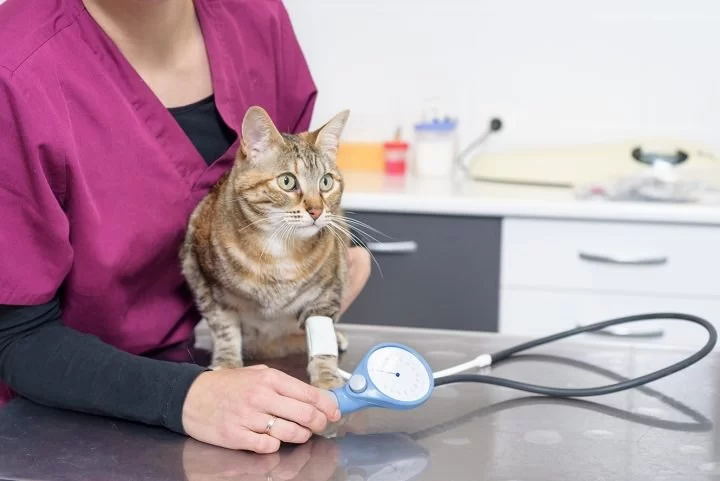
If you notice any of the above symptoms in your cat, it’s important to take them to a veterinarian for a proper diagnosis. The only way to definitively diagnose feline hypertension is through blood pressure measurement, which is similar to how it’s done in humans.
3.1 Veterinary Blood Pressure Measurement
Your veterinarian will use a special device called a Doppler ultrasound or an oscillometric device to measure your cat’s blood pressure. The procedure is non-invasive and painless, but it requires the cat to remain still and calm during the measurement. Your vet may need to perform the test several times to get an accurate reading.
3.2 Additional Tests
In some cases, the vet may also perform additional tests, such as blood work or urine analysis, to determine the underlying causes of hypertension. This is especially important if the hypertension is secondary to another condition, such as kidney disease or hyperthyroidism.
4. Treatment Options for Feline Hypertension
Once a diagnosis of feline hypertension is confirmed, it’s important to start treatment as soon as possible to prevent long-term damage to your cat’s organs. The treatment will depend on the severity of the condition and whether there’s an underlying cause that needs to be addressed.
4.1 Medications
The most common treatment for feline hypertension is medication to lower blood pressure. There are several types of medications your vet may prescribe, including:
- Calcium channel blockers (e.g., amlodipine)
- ACE inhibitors
- Angiotensin II receptor antagonists
These medications work by relaxing blood vessels and reducing the workload on the heart, which helps to lower blood pressure and prevent further damage to organs like the kidneys and eyes.
4.2 Treating Underlying Conditions
If your cat’s hypertension is secondary to another condition, such as kidney disease or hyperthyroidism, your veterinarian will also work to treat the underlying cause. Addressing these conditions can help stabilize your cat’s blood pressure and prevent further complications.
4.3 Regular Monitoring
Once your cat is on medication, it’s important to regularly monitor their blood pressure to ensure it stays within a healthy range. Your veterinarian will likely schedule follow-up visits every few months to check their progress and adjust the treatment plan if necessary.
5. Preventing High Blood Pressure in Cats
While some cats may develop hypertension due to factors beyond our control, there are steps you can take to help reduce your cat’s risk of developing high blood pressure in the first place.
5.1 Regular Vet Checkups
One of the best ways to catch hypertension early is through regular veterinary checkups. During these visits, your vet can monitor your cat’s overall health, check for signs of high blood pressure, and catch any potential problems before they escalate.
5.2 Maintaining a Healthy Diet
Feeding your cat a well-balanced diet that’s appropriate for their age and health condition can help reduce the risk of hypertension. Cats that are overweight or have kidney disease are at a higher risk for high blood pressure, so keeping your cat at a healthy weight and feeding them quality food is important for overall health.
5.3 Stress Reduction
Stress can also contribute to high blood pressure, so providing a calm and quiet environment for your cat is important. Make sure your cat has a safe, stress-free space where they can retreat and relax, especially if they are prone to anxiety or stressful situations.
6. Where to Find Resources for Managing Feline Hypertension
Managing feline hypertension requires the right resources, from medications to regular veterinary care. For the best products, including medications and specialized pet food, consider visiting Hidden Brook Veterinary. They offer expert recommendations and high-quality pet care items that can help your cat manage hypertension and other related health conditions.