- 1-Understanding Gastrointestinal Parasites in Cats
- 2-Common Types of Feline GI Parasites
- 3-Recognizing Symptoms of GI Parasites in Cats
- 4-Treatment Options for Feline GI Parasites
- 5-Prevention and Care for Cats with GI Parasites
1. Understanding Gastrointestinal Parasites in Cats
Feline gastrointestinal (GI) parasites are a common health concern among cats, especially those who spend time outdoors or live in multi-pet households. These parasites can affect the digestive system, causing discomfort and potential long-term health problems. As a cat owner, it's important to understand what GI parasites are, how they impact your pet, and what steps you can take to prevent or treat these infections.
GI parasites in cats include a variety of organisms, such as roundworms, tapeworms, hookworms, and protozoa. These parasites can vary in size and behavior, but they all interfere with the cat's digestive process and can cause distress. It's crucial to recognize the symptoms early and seek appropriate treatment to prevent complications.

2. Common Types of Feline GI Parasites
Several types of GI parasites are commonly found in cats. Each parasite has its own unique characteristics, but all can lead to gastrointestinal upset and other health issues. Here are the most common types of GI parasites found in cats:
- Roundworms (Toxocara cati): These long, spaghetti-like worms are among the most common parasites found in cats, especially kittens. They can cause vomiting, diarrhea, and weight loss.
- Tapeworms (Dipylidium caninum): Tapeworms are flat, segmented worms that can be seen around your cat's anus or in their feces. Cats typically get tapeworms from ingesting fleas or infected rodents.
- Hookworms (Ancylostoma tubaeforme): Hookworms attach to the walls of the intestines and feed on blood, leading to anemia and digestive issues. They are often transmitted through contaminated soil.
- Giardia: This microscopic protozoan parasite can cause diarrhea and dehydration. Cats usually contract giardia by ingesting contaminated water or food.
- Coccidia: Coccidian parasites are another type of protozoan that can cause watery diarrhea and other gastrointestinal symptoms, particularly in young cats or those with weakened immune systems.
Each of these parasites has different modes of transmission and varying degrees of impact on your cat's health. Understanding how each one works helps in providing the right care for your pet.

3. Recognizing Symptoms of GI Parasites in Cats
Recognizing the symptoms of GI parasites is key to addressing the issue promptly. Some of the common signs that your cat may be suffering from a GI parasite include:
- Vomiting and Diarrhea: Persistent vomiting or diarrhea, especially if it's accompanied by blood or mucus, is a strong indicator that your cat may have a GI parasite.
- Weight Loss: Even if your cat is eating well, unexplained weight loss can be a sign that they are dealing with parasites that are affecting their ability to absorb nutrients.
- Change in Appetite: A cat infected with GI parasites may eat less due to nausea or discomfort, or they may have an increased appetite as they try to compensate for nutrient loss.
- Visible Worms in Feces or Vomit: If you notice long, stringy worms in your cat’s feces or vomit, this is a clear sign that your cat has roundworms or tapeworms.
- Bloody Stools: Blood in your cat's stool or vomit may indicate the presence of hookworms or other intestinal parasites that cause internal bleeding.
- Lethargy and Weakness: If your cat seems unusually tired or weak, it could be due to a parasitic infection, which is draining their energy.
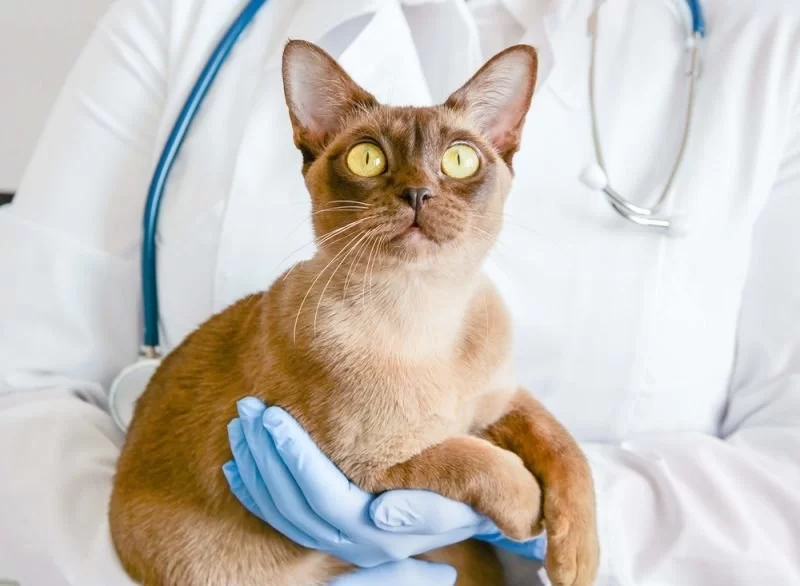
Early detection of these symptoms is essential for effective treatment. If you notice any of these signs, it’s important to consult your veterinarian as soon as possible to confirm whether GI parasites are the cause.
4. Treatment Options for Feline GI Parasites
If your cat has been diagnosed with a GI parasite, there are several treatment options available. The type of treatment will depend on the specific parasite involved and the severity of the infection. Here are the common treatment options:
- Anthelmintic Medications: These are deworming medications designed to eliminate various types of worms, including roundworms and tapeworms. These medications are usually given in the form of pills, injections, or topical treatments.
- Antiprotozoal Drugs: For parasites like Giardia and Coccidia, veterinarians may prescribe medications that target and eliminate protozoan organisms.
- Flea Control: Since tapeworms are often contracted through flea ingestion, treating your cat for fleas is essential in preventing re-infection.
- Fluid Therapy: If your cat is dehydrated due to diarrhea or vomiting, your vet may recommend fluid therapy to restore hydration and prevent further complications.
In some cases, a combination of treatments may be necessary. It's essential to follow your veterinarian's instructions and complete the full course of treatment to ensure that the parasites are completely eradicated.
5. Prevention and Care for Cats with GI Parasites
Preventing GI parasites in cats is crucial for their long-term health. Here are some tips to help reduce the risk of your cat contracting parasites:
- Regular Deworming: Regular deworming is an essential part of preventive care. Your veterinarian can recommend a deworming schedule based on your cat’s age, lifestyle, and health status.
- Flea Prevention: Since fleas are a common vector for tapeworms, using flea control products will help prevent parasite transmission. Talk to your vet about the best flea prevention options for your cat.
- Keep Your Cat Indoors: Keeping your cat indoors reduces the risk of exposure to external parasites and contaminated environments. If your cat does go outside, try to limit their contact with potentially infected animals.
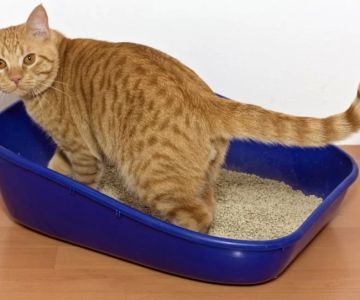
- Clean Litter Boxes Regularly: Clean your cat’s litter box regularly to prevent the spread of eggs and larvae from parasites. Ensure your cat has access to a clean, safe environment.
- Monitor Your Cat’s Health: Regular veterinary checkups and monitoring your cat’s behavior and symptoms are essential for catching parasitic infections early.
By maintaining good hygiene, providing regular veterinary care, and taking preventive measures, you can reduce the likelihood of your cat contracting gastrointestinal parasites.
For more information or expert guidance on managing feline GI parasites, visit Hidden Brook Veterinary for professional care and recommendations tailored to your pet’s needs.