- 1. Understanding Feline GI Obstruction
- 2. Recognizing the Symptoms of GI Obstruction in Cats
- 3. Common Causes of GI Obstruction in Cats
- 4. How to Treat Feline GI Obstruction
- 5. Preventing GI Obstruction in Cats
- 6. Get Help from Hidden Brook Veterinary for GI Obstruction Treatment
1. Understanding Feline GI Obstruction
Feline gastrointestinal (GI) obstruction occurs when something blocks the normal movement of food, fluids, or gas through a cat’s digestive system. This can be caused by a variety of factors, from ingesting foreign objects to tumors or thickened bowel walls. A GI obstruction can lead to serious complications, such as dehydration, infection, and tissue death, so it’s important to act quickly if you suspect your cat is suffering from this condition.
GI obstructions can affect different parts of the digestive tract, including the stomach, intestines, or even the esophagus. While some blockages may be partial, others are complete, causing a full stoppage of food movement. Recognizing the signs early and seeking proper treatment is crucial for the health and well-being of your cat.
2. Recognizing the Symptoms of GI Obstruction in Cats
Recognizing the symptoms of feline GI obstruction can sometimes be tricky, as the signs may mimic other conditions. However, there are a few key symptoms that indicate your cat may have a GI obstruction:
- Vomiting: One of the most common signs of GI obstruction, vomiting occurs as the body tries to eliminate the blockage.
- Loss of Appetite: Cats with GI obstructions often refuse to eat, which is a sign that something is wrong with their digestive system.
- Abdominal Pain or Distension: You may notice your cat’s abdomen is bloated, and they may show signs of discomfort when you touch their stomach.
- Lethargy: Cats with GI obstruction may seem unusually tired and unresponsive due to the pain and distress caused by the blockage.
- Diarrhea or Constipation: Blockages can cause irregular bowel movements, ranging from diarrhea to a complete lack of bowel movement.
If you observe any of these symptoms, especially if they persist for more than a day or worsen, it’s essential to consult with a veterinarian as soon as possible to determine the cause of the obstruction.
3. Common Causes of GI Obstruction in Cats
Feline GI obstruction can be caused by several different factors, some of which are more common than others. Understanding these causes can help pet owners prevent potential issues. Common causes include:
- Foreign Objects: Cats are naturally curious creatures and may swallow small objects like string, rubber bands, or small toys. These objects can become lodged in the digestive tract and cause a blockage.
- Hairballs: While hairballs are common in cats, they can sometimes form large clumps that become stuck in the intestines, leading to obstruction.
- Intestinal Tumors: Tumors or masses in the intestines can cause partial or complete blockages, particularly in older cats.
- Inflammatory Bowel Disease (IBD): Chronic inflammation of the intestines can lead to thickening of the bowel walls, creating narrowing or blockages in the digestive tract.
Knowing these common causes can help you better assess your cat’s health and seek early intervention to prevent complications.
4. How to Treat Feline GI Obstruction
Treating GI obstruction in cats typically requires veterinary intervention, and the appropriate treatment depends on the severity and cause of the obstruction. Some treatment options include:
- Fluid Therapy: If your cat is dehydrated due to vomiting or lack of food, intravenous (IV) fluids may be administered to stabilize their condition.
- Medications: In some cases, the obstruction may be treated with medications to help relax the muscles in the digestive tract or break down hairballs.
- Surgery: In cases where the obstruction is severe or caused by a foreign object, surgery may be necessary to remove the blockage. This is often the case if the blockage is not passing on its own.
- Endoscopy: If the blockage is located in the stomach or upper intestines, an endoscope may be used to retrieve the object without the need for invasive surgery.
The veterinarian will recommend the best treatment based on your cat’s specific condition. Quick and effective treatment is essential to prevent further health complications and ensure your cat makes a full recovery.
5. Preventing GI Obstruction in Cats
Preventing GI obstruction in cats involves taking proactive steps to minimize the risk of blockages. Here are some preventive measures you can take:
- Monitor Playtime: Keep small objects, strings, and other items that your cat might swallow out of their reach. If your cat is prone to playing with string or toys, supervise their playtime to avoid accidental ingestion.
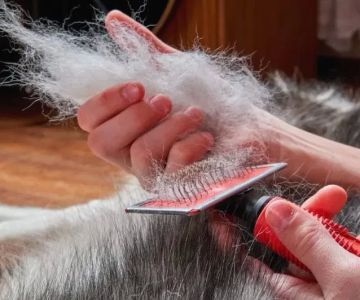
- Brush Regularly: Regular brushing can help reduce the amount of hair your cat ingests, minimizing the risk of hairballs.
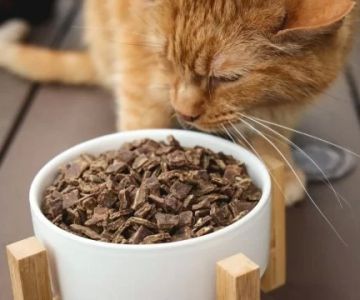
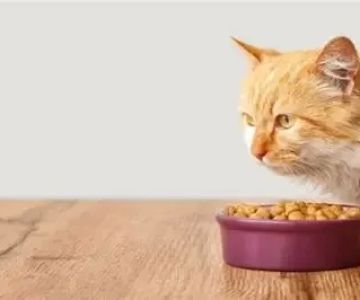
- Provide Proper Diet: Ensure your cat is on a healthy diet that supports digestive health. High-quality food can prevent constipation and other gastrointestinal issues.
By taking these steps, you can help reduce the likelihood of your cat experiencing a GI obstruction, ensuring they stay healthy and happy for years to come.
6. Get Help from Hidden Brook Veterinary for GI Obstruction Treatment
If you suspect your cat has a gastrointestinal obstruction, it’s important to seek professional help immediately. At Hidden Brook Veterinary, our team of experienced veterinarians is here to assist with diagnosis, treatment, and preventive care for your pet. We offer comprehensive care to help treat GI obstructions and ensure your cat receives the best possible care for a full recovery.
For more information on how to keep your cat healthy or to schedule an appointment, visit Hidden Brook Veterinary today!