- 1 - Understanding Feline GI Hemorrhage
- 2 - Common Causes of GI Bleeding in Cats
- 3 - Early Signs and Symptoms to Watch For
- 4 - Diagnosis: How Veterinarians Identify GI Hemorrhage
- 5 - Treatment Options and Home Care Guidelines
- 6 - Real Case Example: Cat with Severe GI Bleeding
- 7 - Preventing Future GI Issues in Cats
- 8 - Hidden Brook Veterinary: Your Partner in Pet Health
1. Understanding Feline GI Hemorrhage
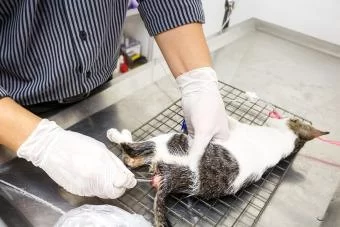
Pet feline GI hemorrhage refers to internal bleeding that occurs within a cat’s gastrointestinal tract, including the stomach, intestines, or esophagus. This condition can range from mild irritation to life-threatening internal bleeding. It’s often not immediately visible, which makes early recognition and prompt veterinary attention critical.
Essentially, GI hemorrhage means that the delicate lining of your cat’s digestive system has been compromised, allowing blood to enter the digestive contents. Depending on the cause, your cat might vomit blood, pass black or bloody stools, or simply appear weak and lethargic. Understanding how to recognize these subtle warning signs could save your pet’s life.

2. Common Causes of GI Bleeding in Cats
There are many possible reasons for gastrointestinal bleeding in cats. Knowing these causes helps pet owners take preventive measures before the situation becomes serious.
1. Stomach ulcers: Often triggered by medications such as steroids or NSAIDs, ulcers can cause the stomach lining to erode, leading to internal bleeding.
2. Ingesting toxins: Household chemicals, rat poison, or even certain human foods like onions or garlic can irritate or damage the digestive tract.
3. Foreign objects: Cats who chew or swallow small objects (like thread or rubber bands) can suffer tears or blockages that result in bleeding.
4. Parasites: Hookworms, tapeworms, and other intestinal parasites can damage the gut wall, causing chronic blood loss and anemia.
5. Cancer or tumors: GI cancers may cause internal bleeding due to the destruction of tissue or blood vessels within the digestive system.
Recognizing these causes helps you discuss the most relevant testing and treatment options with your veterinarian at Hidden Brook Veterinary.

3. Early Signs and Symptoms to Watch For
Knowing how to recognize the symptoms of feline GI hemorrhage is key to early intervention. Some signs are obvious, while others are subtle and easy to miss:
1. Vomiting blood: Blood may appear bright red or look like coffee grounds (indicating digested blood).
2. Dark, tarry stools: Known as melena, this suggests bleeding in the upper digestive tract.
3. Pale gums: A sign of blood loss or anemia, which can accompany internal bleeding.
4. Fatigue or weakness: Cats may appear sluggish, less active, or sleep more than usual.
5. Loss of appetite or sudden weight loss: A cat that refuses to eat for more than 24 hours should be evaluated immediately.
6. Abdominal pain or bloating: Some cats will cry when touched on their stomach or assume a hunched posture to ease discomfort.
It’s important not to ignore these symptoms, even if they appear mild. Early veterinary attention can mean the difference between a quick recovery and a medical emergency.
4. Diagnosis: How Veterinarians Identify GI Hemorrhage
When you bring your cat to a vet for suspected GI bleeding, the team will use several diagnostic tools to identify the cause and severity. A thorough physical exam is followed by blood tests to check for anemia, infection, or organ dysfunction. Fecal testing may detect parasites or blood not visible to the eye.
Advanced imaging techniques like ultrasound or X-rays can reveal ulcers, tumors, or foreign objects. In some cases, an endoscopy is performed to visually inspect the stomach and intestines for active bleeding sites. These procedures allow the veterinarian to determine whether the bleeding is from the upper or lower GI tract.
At Hidden Brook Veterinary, our diagnostic process combines lab testing and digital imaging to ensure accurate and prompt diagnosis, enabling the right treatment plan for your cat’s specific needs.
5. Treatment Options and Home Care Guidelines
Treatment for feline GI hemorrhage depends on the underlying cause, but the primary goals are to stop the bleeding, support recovery, and prevent recurrence. Here’s how veterinarians typically approach treatment:
1. Fluid therapy: Cats with significant blood loss may need IV fluids to stabilize their condition and maintain hydration.
2. Medications: Anti-ulcer drugs, antibiotics, or anti-parasitic medications are commonly prescribed to treat the root cause of bleeding.
3. Dietary management: A bland, easily digestible diet is often recommended during recovery. This allows the digestive tract to heal and prevents further irritation.
4. Surgery: If a tumor or foreign object is causing the bleeding, surgery may be necessary to remove it.
5. Home monitoring: Keep an eye on your cat’s appetite, stool color, and energy level. Any recurrence of bleeding or lethargy requires immediate veterinary attention.
Post-treatment care at home involves regular feeding schedules, stress reduction, and periodic follow-up appointments. The veterinary team at Hidden Brook Veterinary provides ongoing support to ensure a smooth recovery.
6. Real Case Example: Cat with Severe GI Bleeding
One real-life example involves “Milo,” a 7-year-old domestic shorthair cat brought to a veterinary clinic after vomiting dark red fluid. His owner initially thought it was hairball-related, but tests confirmed a stomach ulcer caused by long-term steroid use for allergies. After receiving IV fluids, anti-ulcer medication, and dietary changes, Milo recovered fully within three weeks.
This case highlights the importance of recognizing early symptoms and seeking prompt care. Left untreated, Milo’s condition could have progressed into severe anemia or even become fatal. It’s a reminder that gastrointestinal issues in cats should never be underestimated.
7. Preventing Future GI Issues in Cats
Prevention plays a huge role in your cat’s long-term health. Here are a few practical steps:
1. Avoid harsh medications: Only give drugs prescribed by a veterinarian, and always discuss side effects.
2. Feed a balanced diet: High-quality cat food with sufficient fiber supports digestive health and reduces ulcer risk.
3. Regular deworming: Prevent parasitic infections that can cause intestinal damage.
4. Minimize stress: Cats are sensitive animals, and chronic stress can trigger digestive upset.
5. Routine checkups: Annual wellness exams at clinics like Hidden Brook Veterinary help detect GI issues before they become serious.
Prevention isn’t just about avoiding emergencies—it’s about ensuring your cat enjoys a healthy, active life for years to come.
8. Hidden Brook Veterinary: Your Partner in Pet Health
At Hidden Brook Veterinary, our mission is to provide compassionate, professional care for every pet. Whether you’re learning how to recognize and treat pet feline GI hemorrhage or dealing with a sudden medical emergency, our experienced team is here to help. We combine modern diagnostics with personalized care to ensure your cat receives the best treatment possible.
If your cat shows signs of gastrointestinal bleeding, don’t wait—contact your veterinarian immediately. With the right care, quick response, and ongoing support, your feline companion can make a full recovery and return to a healthy, happy life.