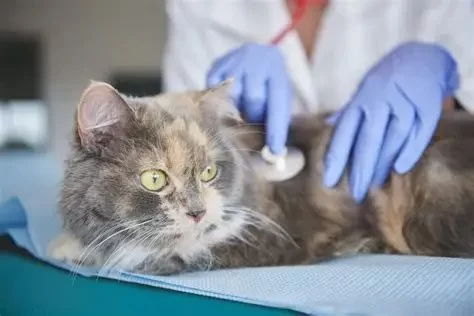
Understanding Feline Geriatric Issues
As cats age, they often face unique health challenges that are common in senior pets. Geriatric feline health issues can include a wide range of conditions, from arthritis and dental disease to cognitive dysfunction and kidney disease. It is crucial for pet owners to recognize these issues early to provide the best possible care for their elderly companions. While aging is a natural process, it doesn’t mean that health problems in senior cats should go unaddressed. Understanding these challenges can help ensure that your cat enjoys their golden years in comfort and good health.

Common Geriatric Issues in Cats
As your cat enters its senior years, it’s important to be aware of common health issues that could arise. Some of the most prevalent geriatric issues in cats include:

1. Arthritis and Joint Pain
Arthritis is a common condition in older cats, leading to stiffness, pain, and difficulty moving. Cats with arthritis may become less active and may avoid jumping or climbing. You might notice them limping or showing signs of discomfort, especially after long periods of rest. While this condition cannot be cured, there are treatments available to manage pain and improve mobility.
2. Kidney Disease
Chronic kidney disease (CKD) is another frequent condition in aging cats. Symptoms of kidney disease include increased thirst, frequent urination, weight loss, and lethargy. Kidney disease progresses gradually, so it can be challenging to spot in the early stages. However, with proper veterinary care, the progression of kidney disease can be slowed, allowing your cat to live a longer, healthier life.
3. Cognitive Dysfunction Syndrome (CDS)
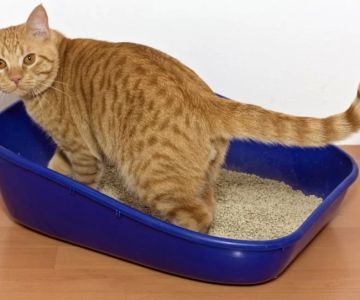
Similar to dementia in humans, Cognitive Dysfunction Syndrome affects a cat’s memory, learning ability, and awareness. Cats with CDS may become disoriented, forget their litter box habits, or become increasingly vocal. This syndrome can have a significant impact on a cat’s quality of life, but there are medications and environmental changes that can help manage the symptoms.
4. Dental Disease
Dental problems, such as periodontal disease, are prevalent in older cats. Signs of dental issues include bad breath, difficulty eating, or drooling. Left untreated, dental disease can lead to tooth loss and even systemic health problems, as bacteria from the mouth can spread to other parts of the body.
Signs of Aging in Cats
Recognizing the signs of aging in cats is key to providing them with the right care. Some common signs of aging include:
- Reduced Activity: Senior cats may sleep more and play less. They might seem disinterested in activities that used to excite them, like chasing toys or climbing.
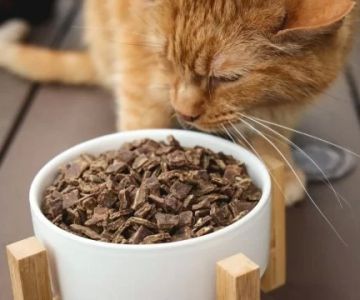
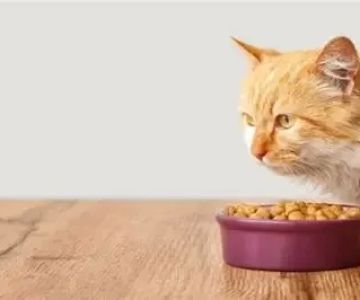
- Changes in Eating Habits: Older cats may develop a decreased appetite or, conversely, become excessively hungry. Changes in weight, either loss or gain, can also be a sign of aging-related health issues.
- Behavioral Changes: You may notice your cat becoming more irritable, anxious, or confused, especially if they are suffering from cognitive dysfunction syndrome.
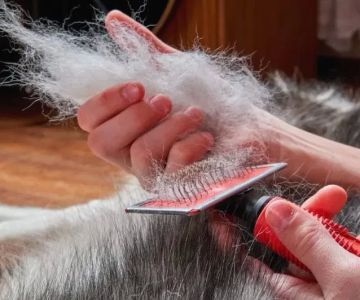
- Changes in Grooming Habits: Older cats may groom less frequently or may not groom themselves as thoroughly as before. This can lead to mats in their fur and overall poor coat condition.
Treatment Options for Geriatric Cats
While some age-related conditions cannot be fully reversed, there are many treatment options available to help manage symptoms and improve the quality of life for senior cats. These treatments include:
1. Pain Management for Arthritis
For cats suffering from arthritis, pain management is essential. Your veterinarian may recommend non-steroidal anti-inflammatory drugs (NSAIDs) or other pain-relieving medications. Additionally, joint supplements containing glucosamine and chondroitin can help support joint health and reduce inflammation. Some pet owners also use acupuncture or laser therapy to help relieve pain in cats with arthritis.
2. Kidney Disease Management
While there is no cure for kidney disease, it can be managed with proper treatment. Treatment may include a special diet designed to support kidney function, as well as medications to manage symptoms such as high blood pressure or electrolyte imbalances. In more advanced cases, fluid therapy may be necessary to help maintain hydration and flush toxins from the body.
3. Cognitive Dysfunction Treatment
Managing Cognitive Dysfunction Syndrome involves a combination of medication and environmental changes. Medications such as Selegiline (Anipryl) can help improve brain function. Additionally, environmental enrichment, such as puzzle toys and interactive play, can stimulate your cat’s mind and help slow cognitive decline. A consistent daily routine can also help reduce confusion and anxiety in cats with CDS.
4. Dental Care
Regular dental check-ups and professional cleanings are essential for older cats. At-home care, such as brushing your cat’s teeth with a specially designed pet toothpaste, can also help prevent dental disease. In some cases, tooth extraction may be necessary if the teeth are severely decayed or infected.
Creating a Health Care Plan for Your Senior Cat
Creating a comprehensive health care plan is essential for managing your senior cat’s well-being. Regular veterinary check-ups are crucial, as they allow for early detection and management of potential health problems. Your vet can help you create a personalized care plan based on your cat’s specific needs, which may include dietary changes, medications, and lifestyle adjustments.
In addition to medical treatments, make sure your cat’s environment is comfortable and safe. Providing soft bedding, easy access to food and water, and a quiet place to rest can help your cat feel more at ease. Regular mental and physical stimulation can also improve their quality of life.
Real-Life Case Study: Managing Senior Cat Health
Meet Max, a 14-year-old tabby who started showing signs of arthritis and kidney disease. Max’s owner, Sarah, noticed that he was becoming less active, had difficulty jumping onto furniture, and was drinking more water than usual. After visiting Hidden Brook Veterinary, Sarah learned that Max had chronic kidney disease and arthritis. Max’s treatment plan included a special kidney-supportive diet, pain management for his arthritis, and regular veterinary visits to monitor his condition. With Sarah’s commitment to Max’s care, he continues to enjoy a high quality of life in his senior years.