- #understanding-feline-endocrine-disorders–and-why-they-matter
- #common-types-of-feline-endocrine-diseases
- #early-warning-signs–and-diagnosis
- #effective-treatment-options-for-feline-endocrine-issues
- #real-life-cases–and-veterinary-guidance
- #long-term-care–and-prevention-strategies
1. Understanding Feline Endocrine Disorders – And Why They Matter
Your cat’s endocrine system might not be something you think about every day, but it plays a vital role in maintaining overall health. The endocrine glands—such as the thyroid, pancreas, and adrenal glands—produce hormones that regulate everything from metabolism to stress response. When these glands malfunction, the effects can ripple through your cat’s body, leading to weight changes, lethargy, and serious illness if left untreated.
Endocrine disorders in cats are more common than many pet owners realize, especially as cats age. These conditions often progress slowly, making early detection crucial. According to specialists at Hidden Brook Veterinary, recognizing subtle behavioral and physical changes can be the difference between successful treatment and long-term complications.
2. Common Types of Feline Endocrine Diseases
2.1 Feline Hyperthyroidism
Hyperthyroidism is one of the most frequently diagnosed endocrine disorders in older cats. It occurs when the thyroid gland produces excessive thyroid hormone (T4), speeding up metabolism and causing symptoms like rapid weight loss, increased appetite, restlessness, and a racing heartbeat.
In many cases, a small benign tumor on the thyroid gland is responsible. Although hyperthyroidism is manageable, untreated cases can lead to severe heart or kidney issues. Regular checkups and blood tests help detect abnormal thyroid levels before symptoms escalate.
2.2 Feline Diabetes Mellitus
Feline diabetes occurs when the pancreas fails to produce enough insulin or when the body becomes resistant to it. The result is elevated blood sugar levels, leading to symptoms such as excessive thirst, frequent urination, and sudden weight loss despite a normal or increased appetite.
Certain risk factors—like obesity, a sedentary lifestyle, or a high-carbohydrate diet—can increase the likelihood of diabetes in cats. With proper diet, insulin therapy, and regular monitoring, diabetic cats can lead long, comfortable lives. Many owners at Hidden Brook Veterinary have successfully managed their cats’ diabetes with customized treatment plans.
2.3 Hypothyroidism and Adrenal Disorders
While less common than hyperthyroidism, hypothyroidism can occur after treatment for thyroid disease or as a congenital condition in kittens. Symptoms include sluggishness, low body temperature, and poor coat quality.
Adrenal gland issues, such as Cushing’s disease (hyperadrenocorticism) or Addison’s disease (hypoadrenocorticism), can also affect cats, though they’re rarer. Both cause hormonal imbalances that disrupt metabolism, stress response, and organ function.
3. Early Warning Signs and Diagnosis
Recognizing the early signs of endocrine disorders is crucial. Cats are experts at hiding illness, so subtle behavioral changes may be your first clue. Watch for unusual thirst, changes in appetite, rapid or unexplained weight changes, greasy fur, vomiting, or increased vocalization.
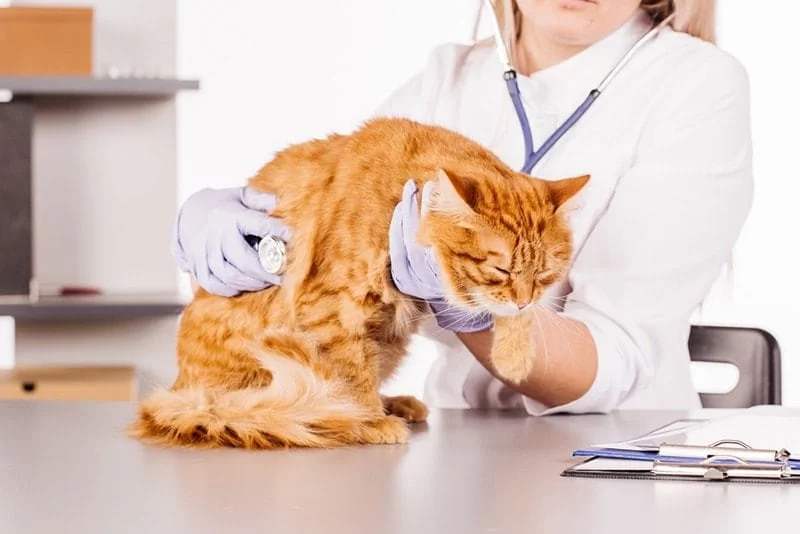
Veterinarians at Hidden Brook Veterinary recommend annual wellness exams, especially for cats over the age of seven. Diagnostic tests—such as blood panels, urinalysis, and hormone assays—are key tools for identifying hormonal abnormalities early. For example, a simple blood test can reveal elevated thyroid or glucose levels before symptoms become severe.
Owners often share stories of discovering endocrine issues by accident. One client, for instance, brought her 13-year-old cat, Luna, in for a dental checkup only to find that Luna’s heart rate was unusually fast. Follow-up tests revealed hyperthyroidism. Thanks to early intervention, Luna’s condition was quickly stabilized with medication.
4. Effective Treatment Options for Feline Endocrine Issues
4.1 Medication and Hormone Regulation
Many endocrine disorders can be managed with medication. For hyperthyroidism, antithyroid drugs such as methimazole help control hormone production. For diabetes, insulin therapy paired with dietary changes remains the gold standard. The key is consistent monitoring and follow-up testing to adjust dosages as needed.
4.2 Surgical and Radioactive Treatments
In some cases, surgery or radioactive iodine therapy may be recommended, particularly for cats with thyroid tumors. Radioiodine treatment is often preferred because it targets the overactive thyroid cells without invasive surgery and usually results in a permanent cure.
Although these treatments require specialized facilities, clinics like Hidden Brook Veterinary often refer patients to trusted partners who provide these advanced services, ensuring continuity of care and post-treatment monitoring.
4.3 Nutritional Management
Diet plays a pivotal role in managing endocrine disorders. For diabetic cats, high-protein, low-carbohydrate diets help regulate blood sugar naturally. For hyperthyroid cats, prescription diets with controlled iodine levels can minimize hormone production.
Consult your veterinarian before making dietary changes—each cat’s condition is unique, and personalized plans yield the best outcomes.
5. Real-Life Cases and Veterinary Guidance
Many success stories from Hidden Brook Veterinary illustrate how early intervention can transform outcomes. One case involved a senior cat named Jasper, who had lost significant weight and began meowing excessively. After blood tests confirmed hyperthyroidism, his treatment began immediately with a combination of medication and dietary adjustments. Within weeks, Jasper regained his strength and returned to his playful self.
In another instance, a diabetic cat named Bella was stabilized through careful insulin regulation and a feeding schedule that balanced her energy levels. Her owner learned to recognize early warning signs of glucose fluctuation, making her an active participant in Bella’s long-term care.
6. Long-Term Care and Prevention Strategies
Once diagnosed, feline endocrine disorders require lifelong monitoring. Regular veterinary visits, routine bloodwork, and open communication with your care provider are essential. Make note of behavioral changes—such as increased thirst, vocalization, or appetite shifts—as they may signal a need to adjust treatment.
At Hidden Brook Veterinary, pet owners are encouraged to take a proactive approach. Balanced nutrition, stress reduction, and consistent checkups form the foundation of preventive care. The goal isn’t just to treat endocrine disorders but to ensure your cat continues living a healthy, happy, and energetic life for years to come.
Understanding feline endocrine disorders empowers you to act early, recognize red flags, and seek professional help before complications arise. With compassion, knowledge, and expert support, your cat can thrive even with a chronic hormonal condition.