1. Understanding Feline Diabetes
Diabetes is a serious condition that can affect cats, and it’s important for pet owners to recognize the signs early to ensure proper treatment. Feline diabetes occurs when a cat’s body cannot produce enough insulin or cannot properly use the insulin it produces. Insulin is a hormone that helps regulate blood sugar (glucose), and when there’s a deficiency, glucose builds up in the bloodstream, causing serious health issues.
Feline diabetes is more common in overweight or older cats, but it can affect any cat. Fortunately, with the right treatment and management, many cats with diabetes can live happy, healthy lives. This article will explore how to recognize the signs of feline diabetes, the causes, and effective ways to treat and manage the condition.

1225 Warren Ave, Downers Grove, IL 60515, USA
See Details2. Signs and Symptoms of Feline Diabetes
Early detection of feline diabetes is crucial for successful treatment. The symptoms can sometimes be subtle, so it's important to keep an eye on your cat's behavior and health. Here are the most common signs that your cat may have diabetes:

2.1. Increased Thirst and Urination
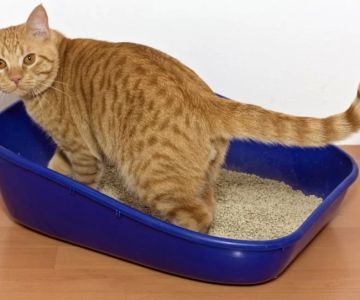
One of the first signs of diabetes in cats is increased thirst and urination. If you notice your cat drinking more water than usual or if they are using the litter box more frequently, this may be an early indication of diabetes. This happens because the high blood sugar levels cause the kidneys to work harder to filter and eliminate the excess sugar, leading to increased urine production.
2.2. Weight Loss Despite Increased Appetite
Another common sign of feline diabetes is weight loss despite an increased appetite (polyphagia). Your cat may start eating more, but they are losing weight because their body is not able to use the food for energy. Instead of converting food into glucose, their cells are starving, and the body starts to break down fat and muscle for fuel.
2.3. Lethargy and Weakness
Cats with diabetes may appear more tired than usual, showing signs of lethargy or weakness. They may be less active, sleep more, or show a lack of interest in playing or engaging with their surroundings. This can be due to the body not being able to produce energy efficiently.
2.4. Poor Coat Condition
Diabetes can affect your cat’s skin and coat. A cat with untreated diabetes may develop a dull, dry, or matted coat, and you might notice more shedding than usual. This is because the body isn’t properly nourishing the hair follicles, leading to poor fur quality.
3. Causes and Risk Factors of Feline Diabetes
While the exact cause of feline diabetes is not always clear, certain factors can increase the risk of a cat developing the condition. Here are some of the most common risk factors:
3.1. Obesity
Obesity is one of the biggest risk factors for diabetes in cats. Excess weight makes it harder for the body to use insulin effectively, leading to insulin resistance. Maintaining a healthy weight through proper diet and exercise is one of the best ways to prevent diabetes in cats.
3.2. Age
Older cats, typically over the age of 7, are at a higher risk of developing diabetes. The pancreas may produce less insulin as cats age, which can lead to the development of diabetes.
3.3. Genetics
Some breeds of cats are more prone to diabetes than others. For example, Burmese cats are more likely to develop diabetes, possibly due to genetic factors. If your cat is from a breed with a higher risk, it’s essential to monitor their health closely and maintain regular vet checkups.
3.4. Gender
Male cats, especially those that are neutered, are more likely to develop diabetes. This is partly because neutering may lead to changes in hormone levels, which can influence insulin production and usage.
4. Diagnosing Feline Diabetes
If you suspect your cat has diabetes, it’s important to take them to the vet for a proper diagnosis. Your vet will perform a thorough physical exam and may recommend blood tests or urine tests to confirm the diagnosis. Elevated blood sugar levels and the presence of glucose in the urine are key indicators of diabetes in cats.
Once diagnosed, your vet will work with you to create a treatment plan tailored to your cat’s needs. Regular monitoring of your cat’s blood glucose levels will be necessary to ensure that the diabetes is being managed effectively.
5. Treatment Options for Feline Diabetes
Feline diabetes is a manageable condition, and with the right treatment, your cat can lead a happy, healthy life. Here are the most common treatment options for managing feline diabetes:
5.1. Insulin Therapy
Insulin injections are the primary treatment for most cats with diabetes. Insulin helps regulate blood sugar levels and restores the balance in the body. Depending on your cat’s condition, your vet will recommend the appropriate type of insulin and dosage. Most cats with diabetes will need insulin injections twice a day, but the exact schedule will depend on the individual cat’s needs.
5.2. Diet and Weight Management
Diet plays a crucial role in managing feline diabetes. Your vet may recommend a special diet designed to control blood sugar levels and promote weight loss. Many diabetic cats benefit from a high-protein, low-carbohydrate diet, which helps regulate insulin sensitivity. Maintaining a healthy weight through portion control and regular feeding is key to managing the condition.
5.3. Regular Monitoring
Once your cat starts insulin therapy, regular monitoring of their blood glucose levels is essential. This can be done at home with a blood glucose meter or through regular visits to your vet for testing. Monitoring allows you to adjust insulin doses as needed and helps prevent potential complications from poorly controlled diabetes.
5.4. Oral Medications
In some cases, oral medications such as Glipizide may be prescribed to help manage blood sugar levels. However, insulin injections are generally more effective, and oral medications are not typically used as a long-term solution for feline diabetes.
6. Real-Life Story: Successfully Managing Feline Diabetes
To illustrate how managing feline diabetes can work, consider the story of “Whiskers,” a 9-year-old male cat diagnosed with diabetes. Whiskers' owner, Jane, noticed that he was drinking excessively, urinating more, and losing weight despite eating more than usual. After a vet visit and blood tests, Whiskers was diagnosed with diabetes.
Jane worked closely with her vet to develop a treatment plan for Whiskers, which included insulin injections twice a day and a special high-protein diet. Over the next few months, Whiskers' blood sugar levels stabilized, and his weight began to return to a healthy level. Jane continues to monitor his blood glucose levels regularly, ensuring that he stays healthy and comfortable.
7. Conclusion: Caring for Your Diabetic Cat
Recognizing and treating feline diabetes early can make a significant difference in your cat's quality of life. With proper care, including insulin therapy, diet management, and regular monitoring, cats with diabetes can lead healthy, active lives. If you suspect your cat may have diabetes, it’s important to seek veterinary care immediately for a proper diagnosis and treatment plan.
For expert advice and care in managing your cat’s diabetes, visit Hidden Brook Veterinary. Our team is dedicated to providing the best care for your furry friends and helping them live healthy, happy lives.