- what-is-feline-diabetes-and-how-it-develops
- common-symptoms-that-help-recognize-feline-diabetes
- real-life-story-of-early-recognition
- how-veterinarians-diagnose-feline-diabetes
- treatment-options-for-feline-diabetes
- daily-care-and-home-management
- long-term-outlook-and-prevention-tips
Understanding What Feline Diabetes Is and How It Develops
Learning how to recognize and treat pet feline diabetes starts with understanding what the disease actually is. Feline diabetes occurs when a cat’s body fails to properly produce or use insulin, a hormone responsible for regulating blood sugar. Without enough insulin, glucose builds up in the bloodstream, causing a variety of health complications that worsen over time if not addressed.
The condition is more common in middle-aged and senior cats, especially those who are overweight or lead sedentary lifestyles. Many pet owners are surprised to learn their cat is diabetic because early signs often appear subtly or are mistaken for unrelated issues. This is why awareness and early detection make such a significant difference.

Common Symptoms That Help You Recognize Feline Diabetes
Cats are masters at hiding discomfort, making it essential for owners to observe changes in daily behavior. Recognizing symptoms early greatly improves treatment outcomes and the cat’s long-term quality of life.

1. Increased Thirst and Urination
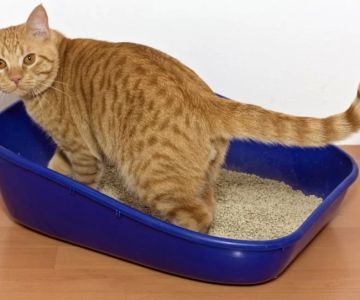
One of the first signs is a noticeable increase in water consumption. You may find yourself refilling the water bowl more often or noticing more frequent litter box use.
2. Sudden Weight Loss Despite Normal Appetite
A diabetic cat’s body cannot convert glucose into usable energy. As a result, it begins breaking down fat and muscle, causing unexpected weight loss even when the cat continues to eat normally.
3. Lethargy and Decreased Grooming
Energy levels often decline, and cats may stop grooming themselves as they once did, leading to a dull or matted coat.
4. Rear-Leg Weakness
Some diabetic cats develop neuropathy, leading to a “hocks-down” walking posture that can look alarming to owners.
A Real Case: How Early Recognition Saved a Cat’s Health
In one memorable case shared by a veterinarian at Hidden Brook Veterinary, a twelve-year-old cat named Milo had been drinking more water than usual for months. His owners assumed he was simply dehydrated due to Arizona's heat. But during a routine visit, his vet noticed additional red flags—weight loss and poor coat quality. Blood tests confirmed diabetes.
Because Milo’s condition was caught early, treatment began immediately. Within weeks, his energy improved dramatically. His owners described it as “getting our playful cat back.” Stories like Milo’s highlight why early recognition is essential.
How Veterinarians Diagnose Feline Diabetes
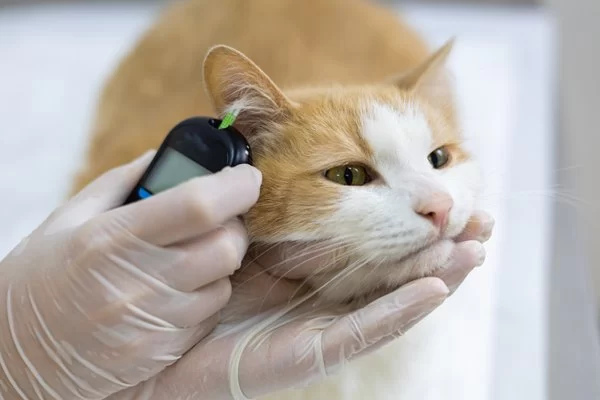
Diagnosis typically requires a combination of blood and urine tests. These tests evaluate glucose levels, kidney function, and ketones—key indicators of diabetes severity. Some cats experience stress-related glucose spikes at the vet, so repeated or home-based testing may be recommended to confirm results.
Modern veterinary clinics often use continuous glucose monitoring devices for more precise readings. Discussing these options with a trusted provider ensures that your cat receives accurate and timely diagnosis.
Treatment Options for Feline Diabetes
Once diagnosed, feline diabetes is treatable and often manageable long-term. Many cats live full, active lives with appropriate care.
1. Insulin Therapy
Most diabetic cats require daily insulin injections. Although the idea can feel intimidating at first, veterinarians provide thorough instruction, and many owners find the process easier than expected after a few weeks of practice.
2. Diet Adjustments
A high-protein, low-carbohydrate diet is frequently recommended to stabilize blood sugar. Prescription diets or carefully selected commercial foods can make a significant difference. Your veterinarian can help choose the best option tailored to your cat’s needs.
3. Monitoring Blood Glucose
Regular monitoring helps you determine how well treatment is working and when adjustments may be needed. Home glucose meters designed for cats make daily monitoring far less stressful for both pet and owner.
4. Weight Management and Exercise
For overweight cats, gradual weight loss improves insulin sensitivity. Play sessions, interactive toys, and climbing areas can help increase activity in a fun way.
Daily Home Care and Managing Your Cat’s Routine
Managing feline diabetes requires consistency. Creating a daily routine helps regulate insulin cycles, feeding times, and monitoring intervals. Many owners find that their bond with their cat deepens during this process, as caregiving fosters trust and comfort.
At Hidden Brook Veterinary, staff often recommend creating a diabetes care journal. Recording insulin doses, food intake, and any unusual behavior helps track progress and identify concerns before they escalate.
Long-Term Outlook and Prevention Tips
The long-term outlook for diabetic cats is much more hopeful today than it was even a decade ago. Some cats even achieve remission—no longer requiring insulin—when treatment begins early and is carefully managed.
1. Preventing Diabetes in Healthy Cats
Weight control, high-quality nutrition, and regular veterinary checkups dramatically reduce the risk of diabetes developing. Keeping an eye on changes in thirst or appetite can alert you early to trouble.
2. Supporting Senior Cats
Older cats are at higher risk, so annual or semi-annual exams are important. Early lab work can detect diabetes before symptoms become obvious.
3. Choosing the Right Veterinary Partner
A knowledgeable veterinary team, like those at Hidden Brook Veterinary, can guide you through each stage—from early detection to long-term care plans tailored specifically for your pet.
Understanding how to recognize and treat pet feline diabetes empowers you to protect your cat’s wellbeing. With attentive care, early diagnosis, and personalized treatment, diabetic cats can continue living joyful, comfortable lives by your side.