- 1. Understanding Feline Cardiovascular Disease
- 2. Recognizing Symptoms of Heart Disease in Cats
- 3. Diagnosing Feline Heart Disease
- 4. Treatment Options for Feline Cardiovascular Disease
- 5. Prevention and Care Tips for Heart-Healthy Cats
1. Understanding Feline Cardiovascular Disease
Feline cardiovascular disease refers to a range of heart conditions affecting cats. Just like humans, cats can suffer from various heart issues, including heart murmurs, heart failure, and high blood pressure. These conditions are often silent, meaning they can go undetected until the symptoms become severe.
Heart disease in cats can be caused by a variety of factors such as genetic predisposition, high blood pressure, thyroid disease, or as a result of other underlying health issues. Cardiovascular diseases are most commonly seen in older cats, but younger cats can be affected as well.
It’s important to stay informed about the potential risks and early signs of heart disease in cats so that pet owners can take timely action to protect their furry friends.

2. Recognizing Symptoms of Heart Disease in Cats
Recognizing the signs of cardiovascular disease in cats can be tricky because the symptoms are often subtle or mistaken for other conditions. However, being aware of potential warning signs is key to early detection. Some common symptoms include:
- Labored or rapid breathing: Cats with heart disease may struggle to breathe, especially after physical activity.
- Coughing: A persistent cough, often worse at night, can be a sign of heart failure.
- Fatigue or lethargy: Cats with heart problems may tire more easily or avoid their usual activities.
- Loss of appetite: Cats with heart disease may eat less or refuse food altogether.
- Fainting or collapse: Sudden collapse or fainting episodes are serious signs of heart issues.
If you notice any of these symptoms, it’s crucial to consult a veterinarian for proper evaluation and diagnosis.

3. Diagnosing Feline Heart Disease
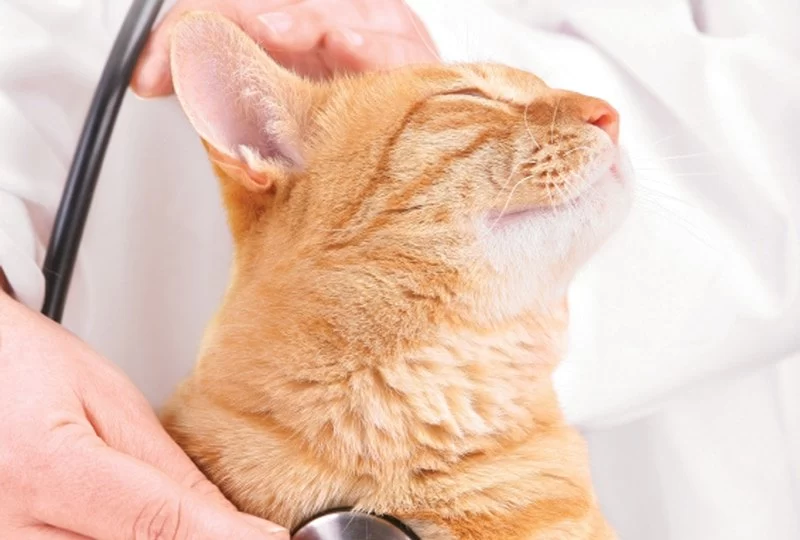
To diagnose cardiovascular disease in cats, your veterinarian will begin with a thorough physical exam and a review of your cat’s medical history. Diagnostic tests may include:
- Chest X-rays: These can help reveal heart enlargement, fluid in the lungs, and other signs of heart disease.
- Echocardiogram (ultrasound of the heart): This test provides detailed images of the heart’s structure and function.
- Blood pressure measurement: High blood pressure is a common risk factor for heart disease in cats.
- Electrocardiogram (ECG): An ECG can assess the electrical activity of the heart, helping to detect arrhythmias.
Early diagnosis is essential for managing feline cardiovascular disease and ensuring your cat receives the best treatment options available.
4. Treatment Options for Feline Cardiovascular Disease
Treating feline heart disease depends on the type and severity of the condition. Common treatment options include:
- Medications: Medications such as diuretics, beta-blockers, and ACE inhibitors can help manage symptoms, reduce fluid buildup, and improve heart function.
- Dietary changes: Specialized diets with low sodium content can support heart health and prevent further complications.
- Oxygen therapy: In severe cases of heart failure, oxygen therapy may be required to help improve breathing.
- Regular check-ups: Ongoing monitoring by your veterinarian is crucial to track your cat’s progress and make necessary adjustments to treatment plans.
It’s important to note that while heart disease cannot always be cured, effective treatment can improve your cat’s quality of life and extend their lifespan.
5. Prevention and Care Tips for Heart-Healthy Cats
Preventing cardiovascular disease in cats is not always possible, especially for those with genetic predispositions. However, there are several ways to reduce the risk and support heart health in your feline friend:
- Regular vet visits: Regular check-ups with your veterinarian can help catch heart problems early, allowing for more effective treatment.
- Healthy diet: Provide a balanced diet that supports overall health, including heart health. Look for high-quality, protein-rich foods with low levels of sodium.
- Exercise: Encourage your cat to stay active through play, which can help maintain a healthy weight and improve circulation.
- Monitor weight: Maintaining a healthy weight is essential to reducing the strain on your cat’s heart. Obesity is a significant risk factor for cardiovascular issues.
By staying vigilant and proactive in caring for your cat’s heart health, you can help ensure they live a long, happy, and healthy life.
If you’re concerned about your cat’s heart health or need advice on treatment and prevention, consider reaching out to Hidden Brook Veterinary for professional guidance and resources tailored to your pet’s needs.