- 1-how-to-recognize-pet-esophageal-disorders
- 2-symptoms-of-pet-esophageal-issues
- 3-treating-esophageal-disorders-in-pets
- 4-when-to-see-a-veterinarian-for-esophageal-problems
- 5-importance-of-early-diagnosis-in-pet-health
1. How to Recognize Pet Esophageal Disorders
Esophageal disorders in pets can significantly affect their health, leading to discomfort, difficulty eating, and potential complications if left untreated. The esophagus, the muscular tube that carries food from the mouth to the stomach, can become affected by various conditions, from inflammation to more severe conditions like megaesophagus. Recognizing these issues early can help ensure that your pet receives timely treatment. In this article, we’ll explore the signs of esophageal disorders in pets and how to address them effectively.

2. Symptoms of Pet Esophageal Issues
Esophageal disorders often present with specific symptoms. While some symptoms may seem mild initially, they can worsen over time if not addressed. Here's a look at common signs that may indicate your pet is suffering from an esophageal problem:
- Difficulty Swallowing: One of the most obvious signs of esophageal issues in pets is difficulty swallowing. If your pet seems to struggle or gag while eating, it could indicate an underlying esophageal disorder.
- Regurgitation of Food: Unlike vomiting, regurgitation happens without much effort from the pet. If food is coming back up shortly after eating, it’s a clear sign of an esophageal issue.
- Excessive Drooling: Drooling can be another indicator, especially if it's linked to difficulty eating or swallowing. This could be a result of discomfort caused by an esophageal disorder.
- Weight Loss or Poor Appetite: If your pet is eating less or has trouble keeping food down, this can lead to weight loss. Esophageal disorders can interfere with nutrient absorption, causing malnutrition.
- Coughing or Gagging: Persistent coughing or gagging after eating can be linked to issues with the esophagus, especially if food or liquid is entering the airway.
If you notice these symptoms, it’s important not to ignore them, as they can signal more severe health issues. Early diagnosis and intervention are key to managing esophageal disorders effectively.

3. Treating Esophageal Disorders in Pets
The treatment of esophageal disorders in pets depends on the type and severity of the condition. In some cases, treatment may involve lifestyle and dietary changes, while more serious issues may require medical interventions. Here are some of the most common treatment options:
- Dietary Adjustments: For pets with esophageal issues, changing their diet can help manage symptoms. Softening food, feeding smaller meals more frequently, and ensuring food is easily swallowed can reduce the strain on the esophagus.
- Medications: In cases of inflammation or infection, your veterinarian may prescribe medications to reduce irritation in the esophagus or treat underlying causes such as reflux.
- Surgical Interventions: For more severe conditions like megaesophagus, surgery may be necessary to correct the problem. This could involve a procedure to remove any obstructions or, in some cases, to correct structural issues in the esophagus.
- Feeding Positioning: Some pets with esophageal disorders may benefit from being fed in an elevated position. This helps food travel more easily down the esophagus and into the stomach.
Your veterinarian will be able to recommend the most appropriate treatment based on your pet’s condition. It’s important to follow their advice carefully and monitor your pet for any changes in symptoms.
4. When to See a Veterinarian for Esophageal Problems
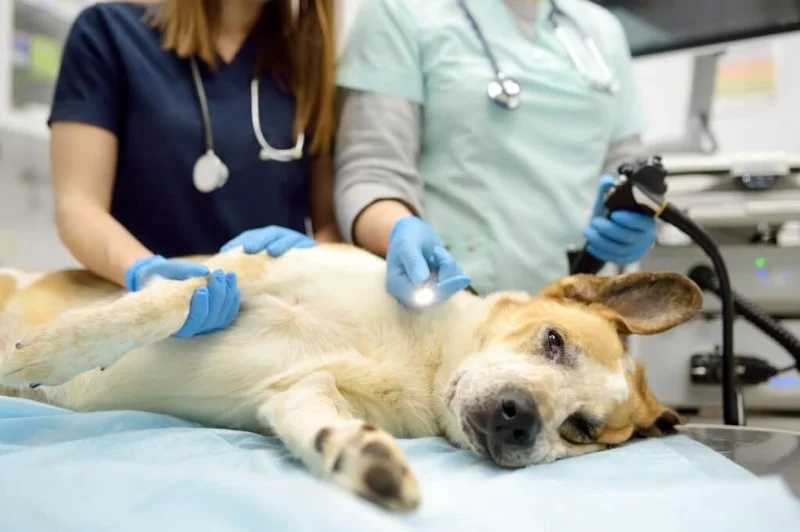
If you notice any of the symptoms mentioned earlier, it’s important to consult with a veterinarian as soon as possible. While some cases of regurgitation or mild difficulty swallowing might not immediately indicate a severe problem, they can worsen over time. A timely visit to the vet can lead to an early diagnosis, which is crucial for effective treatment.
In cases where the symptoms are severe—such as constant coughing, excessive weight loss, or visible discomfort—seek veterinary attention immediately. Delaying treatment may lead to complications like aspiration pneumonia or chronic malnutrition, which can be much harder to treat.
Regular check-ups and proactive care can help prevent esophageal disorders from becoming life-threatening, so don't hesitate to reach out to your vet if you have concerns.
5. Importance of Early Diagnosis in Pet Health
Early diagnosis of any pet health issue, including esophageal disorders, is vital. The sooner a condition is identified, the easier it is to manage, and the less likely your pet will suffer from complications. For instance, early treatment of esophageal disorders can help prevent further damage to the esophagus, improve your pet’s quality of life, and reduce the need for more invasive treatments.
By staying alert to changes in your pet’s eating habits and behavior, you can catch potential problems early. Remember, if in doubt, always consult a veterinarian—your pet’s health and comfort are worth the effort!
At Hidden Brook Veterinary, we specialize in diagnosing and treating a variety of pet health issues, including esophageal disorders. If you suspect your pet may be suffering from an esophageal issue, don't hesitate to reach out. Our experienced team is here to help guide you through the diagnosis and treatment process to ensure your pet gets the care they deserve.