1. What is Pet Congestive Heart Failure (CHF)?
Congestive heart failure (CHF) in pets is a serious condition that occurs when the heart can no longer pump blood effectively, leading to fluid buildup in the lungs or other parts of the body. While CHF is more commonly seen in older pets, it can affect any pet, including cats and dogs, especially those with underlying heart conditions.
CHF can be caused by a variety of factors, including heart disease, high blood pressure, or heartworm infections. While CHF is not always preventable, early diagnosis and treatment can greatly improve your pet’s quality of life and extend their years.

2. Common Symptoms of Congestive Heart Failure in Pets
Recognizing the signs of CHF in your pet is crucial for early intervention. Symptoms can vary depending on the severity of the condition, but common signs of congestive heart failure in dogs and cats include:
- Difficulty breathing or coughing: Pets with CHF often have fluid in their lungs, causing labored breathing or frequent coughing, especially at night.
- Fatigue or lethargy: Pets may become less active, tire easily, or show reluctance to exercise or play.
- Loss of appetite: Pets with heart failure often experience a decrease in appetite or may refuse to eat altogether.
- Abdominal swelling: Fluid buildup in the abdomen is common in pets with CHF, causing noticeable bloating or distension.
- Fainting or collapsing: In more severe cases, pets may faint or collapse due to reduced blood flow to vital organs.
If you notice any of these symptoms in your pet, it’s important to consult with a veterinarian as soon as possible for an evaluation and diagnosis.
3. How is Pet Congestive Heart Failure Diagnosed?
If your veterinarian suspects CHF, they will conduct a thorough examination and may recommend the following tests to confirm the diagnosis:
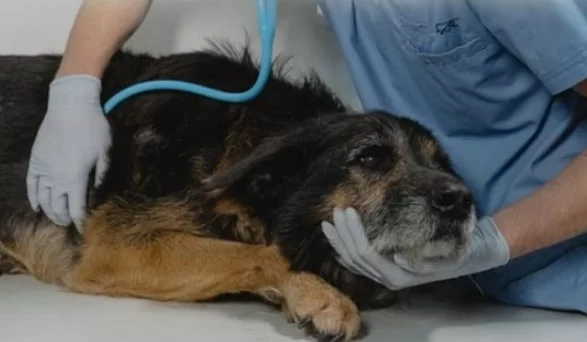
- Physical examination: Your vet will listen to your pet’s heart and lungs, checking for abnormal heart sounds, fluid in the lungs, and signs of fluid buildup in the abdomen or limbs.
- X-rays: Chest X-rays can show if there is fluid in the lungs, which is a common sign of heart failure.
- Blood tests: Blood tests can help assess kidney function, liver health, and whether there are any underlying conditions contributing to the heart failure.
- Electrocardiogram (ECG): An ECG can monitor the electrical activity of the heart to detect irregular rhythms or abnormalities that might contribute to heart failure.
- Echocardiogram: This ultrasound of the heart provides a detailed view of heart size, function, and potential structural abnormalities.
Once your pet is diagnosed with CHF, your vet will discuss treatment options to manage the condition and help alleviate symptoms.
4. Treatment Options for Pet Congestive Heart Failure
While CHF is not curable, treatment can help manage symptoms and improve your pet’s quality of life. Your veterinarian will develop a treatment plan tailored to your pet’s specific condition and needs. Common treatments for CHF include:
4.1. Medications
There are several medications available to help manage CHF in pets. These may include:
- Diuretics: These medications help remove excess fluid from the body, reducing swelling in the lungs and abdomen.
- ACE inhibitors: Angiotensin-converting enzyme (ACE) inhibitors help relax blood vessels, reducing the workload on the heart and improving blood flow.
- Beta-blockers: These drugs can help slow the heart rate and lower blood pressure, allowing the heart to function more efficiently.
- Vasodilators: These help dilate blood vessels, improving circulation and reducing the strain on the heart.
Depending on your pet’s condition, your veterinarian may also recommend additional medications or supplements to support heart health.
4.2. Diet and Nutrition
Proper nutrition is crucial for pets with CHF. A low-sodium, high-quality diet can help reduce fluid retention and support heart function. In some cases, your vet may recommend special prescription diets formulated for heart health.
Additionally, ensuring that your pet maintains a healthy weight is important. Obesity can put additional strain on the heart, making it harder for the body to manage the fluid buildup associated with CHF.
4.3. Lifestyle Changes and Home Care
In addition to medical treatments, lifestyle changes can help your pet manage CHF. Some recommendations include:
- Limiting exercise: Avoid intense physical activity, as it can put unnecessary strain on the heart. Instead, opt for short, gentle walks.
- Monitoring symptoms: Regularly monitor your pet’s breathing, appetite, and activity level. Keep track of any changes or worsening of symptoms.
- Keeping stress levels low: Stress can exacerbate heart failure symptoms, so creating a calm and peaceful environment for your pet is crucial.
5. Real-Life Example: Treating Bella’s Congestive Heart Failure
Bella, a 9-year-old Golden Retriever, was diagnosed with CHF after her owner noticed she had started coughing and becoming easily fatigued. Bella’s veterinarian performed a thorough examination, including chest X-rays and an ECG, and diagnosed her with congestive heart failure.
To manage Bella’s condition, her veterinarian prescribed a combination of diuretics and ACE inhibitors. Bella’s owner also switched her to a low-sodium, heart-healthy diet and limited her physical activity. Over time, Bella’s symptoms improved, and she became more energetic, although she still had to avoid intense exercise.
Thanks to early diagnosis and consistent treatment, Bella lived comfortably for several more years, enjoying her daily walks and playtime with her family.
6. When to Seek Veterinary Care
If you suspect your pet has congestive heart failure or if their symptoms worsen despite treatment, it’s crucial to seek veterinary care promptly. Early intervention can make a significant difference in managing the disease and improving your pet’s quality of life.
At Hidden Brook Veterinary, our expert team is here to help you navigate your pet’s heart health. If you have concerns about your pet’s well-being, we offer comprehensive heart health screenings, diagnostic services, and treatment options tailored to your pet’s needs.