Understanding Feline Urinary Tract Infections (UTI)
Urinary tract infections (UTIs) in cats are a common concern for pet owners. Cats are prone to urinary issues, and a UTI can lead to discomfort, pain, and more serious health problems if not treated promptly. However, one of the challenges many pet owners face is dealing with recurring UTIs in their cats. In this guide, we will help you understand the causes of feline UTI recurrence, how to recognize the symptoms, and the best ways to treat and prevent these infections from coming back.

What Causes UTI Recurrence in Cats?
UTIs in cats occur when bacteria infect the urinary tract, leading to inflammation and irritation. While a single UTI is concerning, recurring UTIs can be a sign of underlying issues. There are several reasons why UTIs in cats can return:
- Incomplete Treatment: If a UTI is not fully treated, bacteria can linger and cause a reinfection. It's essential to follow through with the full course of antibiotics prescribed by your vet.
- Underlying Health Problems: Conditions such as diabetes, kidney disease, or bladder stones can increase the likelihood of recurring UTIs by creating an environment in the urinary tract that promotes bacterial growth.
- Stress and Anxiety: Stress is a major factor in urinary health for cats. Stress can weaken the immune system and make it easier for infections to take hold.
- Poor Diet or Dehydration: A lack of proper hydration and a diet high in carbohydrates and low in moisture can contribute to urinary tract problems in cats, leading to infections.
How to Recognize the Symptoms of a UTI in Cats
Recognizing the symptoms of a urinary tract infection early can help prevent complications and ensure your cat gets the treatment they need. The signs of a UTI in cats include:
- Frequent or Painful Urination: Cats with a UTI may urinate more often, or they may seem to strain or cry out while trying to urinate.
- Blood in the Urine: You may notice that your cat's urine is tinged with blood, which is a sign of irritation and infection in the urinary tract.
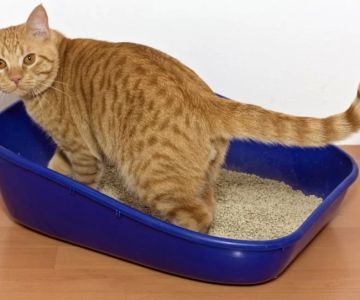
- Accidents Outside the Litter Box: Cats with UTIs often urinate outside their litter box due to the discomfort they experience while urinating.
- Increased Licking of the Genital Area: If your cat is frequently licking their genital area, it may be due to the discomfort of a UTI.
- Change in Behavior: Cats in pain may become more withdrawn, lethargic, or irritable. If you notice a sudden shift in behavior, it's important to get them checked by a vet.
Treating a Feline UTI
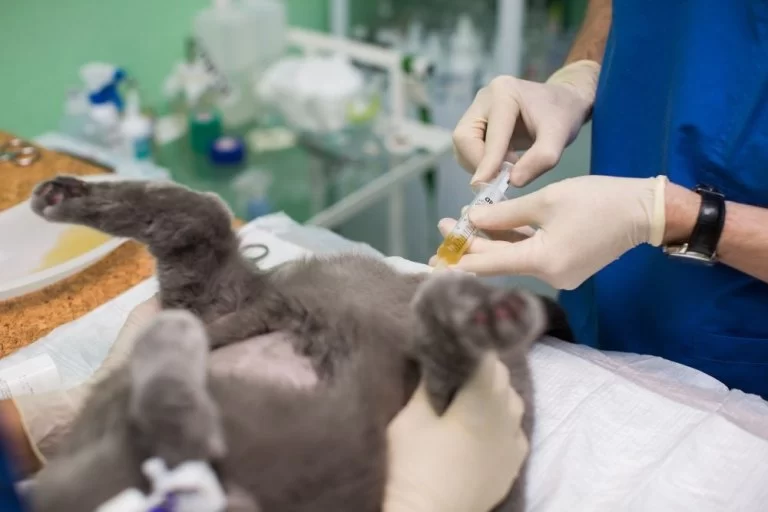
When your cat is diagnosed with a UTI, your veterinarian will typically recommend a course of antibiotics to eliminate the infection. However, it's important to follow the treatment plan fully and keep an eye on your cat’s progress. Here are the main treatment options:
- Antibiotics: The primary treatment for UTIs is a course of antibiotics. It's important to complete the entire prescription, even if your cat seems to be feeling better, to ensure that the infection is fully cleared.
- Urinary Tract Pain Relief: If your cat is experiencing pain or discomfort, your vet may prescribe medications to help relieve pain and inflammation in the urinary tract.
- Dietary Changes: Your veterinarian may recommend a special diet designed to support urinary tract health, which may include high-moisture foods that help prevent urinary crystals and stones.
- Fluid Therapy: If your cat is dehydrated or struggling to pass urine, your vet may recommend administering fluids to help flush the urinary tract and ease symptoms.
How to Prevent UTI Recurrence in Cats
Once your cat has experienced a UTI, the focus should shift to preventing future infections. Here are several strategies to help keep your cat’s urinary tract healthy:
- Increase Water Intake: Encourage your cat to drink more water by offering fresh water at all times and incorporating wet food into their diet. Increased hydration helps dilute the urine and prevent bacteria from thriving.
- Manage Stress: Stress management is key in preventing recurring UTIs. Provide your cat with a calm and stable environment, avoid changes to their routine, and provide enrichment activities to keep them mentally stimulated.
- Regular Vet Checkups: Regular veterinary checkups are important for catching potential health issues early. If your cat has a history of UTIs, it’s important to keep up with routine exams and testing to monitor their urinary health.
- Probiotics: Some vets recommend probiotics to support a healthy gut and urinary system. These can help maintain a balanced microbiome, which may reduce the risk of infections.
Real-Life Example: How Proper Diet Helped Prevent UTI Recurrence
One pet owner, Sarah, shared her experience with managing her cat Bella’s recurrent UTIs. Bella had been diagnosed with UTIs multiple times over the past year, despite a course of antibiotics each time. After discussing with her vet, Sarah switched Bella to a high-moisture, grain-free diet designed for urinary tract health. She also encouraged Bella to drink more water and added a calming supplement to reduce stress. Within a few months, Bella had not experienced any further UTIs, and her overall health improved significantly.
This case demonstrates how combining the right diet, hydration, and stress management techniques can make a significant difference in preventing UTI recurrence. Every cat is different, so it’s essential to work with your veterinarian to develop a tailored approach for your pet.

Conclusion: Caring for Your Cat’s Urinary Health
UTIs in cats are not only painful but can also lead to serious health complications if left untreated. Recognizing the symptoms early and following the recommended treatment plan can help your cat recover quickly. Furthermore, by adopting preventative measures, including dietary changes, stress management, and regular vet visits, you can help your cat live a healthier, happier life with fewer UTI recurrences. Always consult your veterinarian for guidance tailored to your cat’s specific needs.
For more information on managing your pet’s urinary health or if you suspect your cat has a UTI, visit Hidden Brook Veterinary for expert advice and recommendations.