How to Read Pet Food Labels: Ingredients to Know
- #Why-reading-pet-food-labels-matters-for-your-pet’s-health
- #Understanding-the-ingredient-list-and-AAFCO-statements
- #How-different-ingredients-impact-your-pet’s-overall-wellbeing
- #Real-life-examples-that-show-the-importance-of-label-reading
- #When-to-seek-professional-guidance-like-Hidden-Brook-Veterinary
Why Reading Pet Food Labels Matters for Your Pet’s Health
Learning how to read pet food labels is one of the most important steps in protecting your pet’s long-term health. Cats and dogs rely entirely on their owners to make healthy food choices for them, and the label is the roadmap to understanding what you are putting in their bowl.
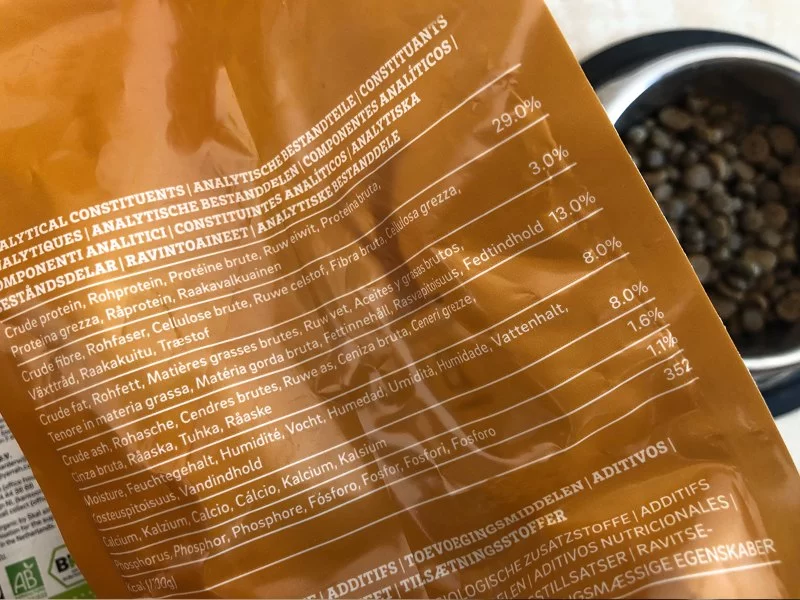
Many pet owners are surprised to learn that marketing terms like “premium,” “holistic,” or “natural” often mean very little without proper nutritional evidence backing them. The real truth lies in the ingredient list, the guaranteed analysis, and the AAFCO statement found on every bag or can.

1. Transparency Helps Prevent Health Issues
Pets with allergies, digestive issues, kidney disease, or weight problems benefit significantly when owners understand ingredient quality. A pet who struggles with itchy skin or chronic stomach upset may only improve once the diet’s true contents are evaluated.

2. Labels Can Reveal Hidden Fillers
Many budget foods rely heavily on fillers or low-quality protein sources. Once owners learn to identify these patterns, they’re better able to choose nutritional products that match their pet’s needs.
Understanding the Ingredient List and AAFCO Statements
Every pet food label starts with the ingredient list, and these ingredients are listed by weight. That means a food showing “chicken” as the first ingredient may sound promising, but since chicken contains a high water percentage, the actual protein contribution may be lower than expected.
1. Whole Proteins vs. Meal Proteins
Ingredients like “chicken meal” or “salmon meal” sound less appealing but can provide more concentrated protein than their whole-meat counterparts. Understanding this helps owners make more informed decisions.
2. Identifying Grains and Grain Alternatives
Whether your pet thrives with grains or requires a grain-free diet, knowing the difference between healthy grains (like oats or barley) and cheaper fillers (like corn gluten meal) is crucial.
3. Artificial Additives to Watch For
Colors, chemical preservatives, and artificial flavors can irritate sensitive pets. The fewer unnecessary additives, the better.
4. The Importance of the AAFCO Statement
This statement confirms whether a food meets the nutritional standards for maintenance, growth, or all life stages. Foods lacking a complete and balanced AAFCO profile may not meet your pet’s dietary requirements.
How Different Ingredients Impact Your Pet’s Overall Wellbeing
Each pet responds differently to ingredients based on age, breed, genetics, and health status. A high-quality food for an active dog may be inappropriate for a senior cat with kidney issues.
1. Protein Sources
Proteins support muscle development, immunity, and energy. Look for clearly named proteins such as turkey, lamb, or salmon. Vague terms like “meat by-product” give no detail on quality or source.
2. Fats and Fatty Acids
Healthy fats like omega-3 and omega-6 support joint health, skin condition, and brain function. Poor-quality fats, however, can contribute to inflammation.
3. Carbohydrates
Carbohydrates can be beneficial when they come from nutritious sources. Sweet potatoes, peas, and whole grains provide fiber and energy. Cheap starches may lead to weight gain without nutritional benefit.
4. Vitamins and Minerals
Balanced micronutrients are essential for immune function, bone health, and overall wellbeing. A complete food ensures pets receive the nutrients they cannot generate naturally.
Real-Life Examples That Show the Importance of Label Reading
A popular online story involved a dog named Jasper who suffered ongoing stomach issues. His owner rotated through brand after brand, unaware that each food contained the same low-grade filler triggering his sensitivity. After learning to read pet food labels, she discovered the problem and switched to a cleaner formula—Jasper’s symptoms improved within weeks.
Another case involved a senior cat losing weight rapidly. His owner was alarmed but had no idea the “senior formula” she bought lacked adequate calories and used low-quality protein. After consulting a professional and learning to evaluate AAFCO statements and ingredient lists, she found a more suitable product and saw steady improvement.
When to Seek Professional Guidance Like Hidden Brook Veterinary
Even with a good understanding of labels, some pets require individualized dietary plans. Cats with chronic disease, dogs with allergies, and pets recovering from illness need more than what general label reading can provide.
In complex cases, Hidden Brook Veterinary can help you interpret label details, choose therapeutic diets, and match nutritional needs to your pet’s medical conditions. Their guidance ensures that your pet receives not just adequate nutrition—but optimal nutrition designed for long-term health.
By combining label literacy with professional insight, you can confidently support your pet’s wellbeing through smarter dietary choices and deeper understanding.