1. Understanding the Importance of Year-Round Flea, Tick, and Parasite Prevention
As pet owners, ensuring the health and well-being of our furry friends is always a priority. One of the most common concerns for pet owners is the prevention of fleas, ticks, and other parasites that can affect our pets year-round. These pests not only cause discomfort but can also lead to serious health issues, such as skin infections, Lyme disease, and more. While we tend to think of fleas and ticks as seasonal problems, they can be present at any time of the year, depending on your location and climate. That’s why year-round prevention is essential to maintaining your pet’s health.

2. Why Fleas, Ticks, and Parasites Are a Year-Round Concern
Fleas, ticks, and parasites thrive in various environmental conditions, making them a concern for pets even during the colder months. Here’s why:
- Fleas: Fleas can survive indoors, especially in warm, humid environments, so they can still be a problem during the winter months.
- Ticks: Ticks are active year-round in many parts of the world, particularly in warmer climates or areas with mild winters.
- Parasites: Internal parasites like worms can be contracted throughout the year, especially in environments where pets have access to other animals or standing water.
3. Effective Year-Round Flea, Tick, and Parasite Prevention Methods
To protect your pets from fleas, ticks, and parasites year-round, it’s important to adopt a multi-faceted approach. Here are some of the most effective methods to keep your pets safe:

3.1. Regular Use of Flea and Tick Preventatives
One of the best ways to prevent fleas, ticks, and other parasites is by using preventive medications. There are various types of preventatives available, including:
- Oral Medications: These are effective for treating and preventing flea and tick infestations. They are usually given monthly and offer long-lasting protection.
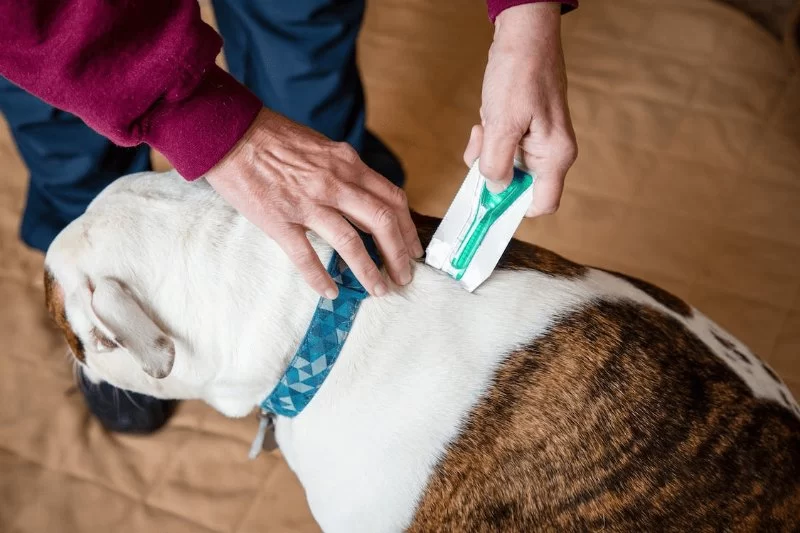
- Topical Treatments: These are applied directly to the skin and are effective for controlling fleas and ticks for up to a month.
- Collars: Flea and tick collars are also available, offering a long-term solution to parasite control. They are convenient and offer continuous protection for several months.
Be sure to consult your veterinarian to choose the right preventative method for your pet based on their age, breed, and lifestyle.
3.2. Regular Grooming and Bathing
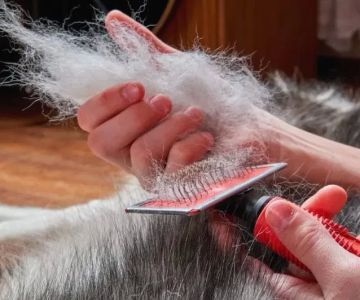
Keeping your pet clean is crucial for preventing fleas, ticks, and other parasites. Regular grooming and bathing help remove any pests from your pet’s fur and skin. Use a flea comb to check for any signs of fleas or ticks, especially after walks or outdoor playtime. Bathing your pet with a flea and tick shampoo can also help kill any parasites present.
3.3. Check Your Pet Regularly
Frequent checks for fleas, ticks, and parasites are essential, particularly after outdoor activities. Examine your pet’s fur, ears, and paws for any signs of pests. If you live in an area with a high risk of ticks, be sure to check your pet’s body thoroughly, as ticks are notorious for hiding in small crevices.
3.4. Keep Your Home and Yard Clean
Fleas and ticks often come from the environment, so it’s crucial to keep your home and yard pest-free. Regularly vacuum your home, especially areas where your pet spends a lot of time, and wash your pet’s bedding regularly. Treat your yard with pet-safe insecticides to reduce the risk of pests like ticks and fleas.
3.5. Use Parasite Control for Internal Pests
Parasites such as worms, including heartworms, roundworms, and hookworms, can also affect your pet. Regular deworming treatments, as advised by your veterinarian, are essential for preventing internal parasites. There are several options, including oral medications and spot-on treatments, that can help protect your pet against internal parasites.
4. Environmental Factors to Consider
Several environmental factors influence the prevalence of fleas, ticks, and parasites. Here’s what you should keep in mind:
- Climate: Warm, humid climates are more conducive to flea and tick survival. Areas with mild winters also tend to see more ticks year-round.
- Geographic Location: Areas with dense vegetation, forests, and wildlife are more likely to harbor ticks and other pests.
- Outdoor Activities: Pets that spend more time outdoors, especially in wooded or grassy areas, are more prone to parasite exposure.
Adjust your preventative measures based on these environmental factors to ensure your pet’s protection all year round.
5. Case Study: A Pet Owner's Experience with Year-Round Prevention
Jane, a pet owner from Florida, shared her experience with year-round flea and tick prevention for her dog, Max. Max loves spending time outdoors in the backyard and going on long hikes through the nearby trails. Jane noticed that Max was constantly scratching and began to find fleas on him during the summer months. After consulting with her veterinarian, Jane started using an oral flea and tick preventative in addition to monthly topical treatments. She also made sure to check Max for ticks after every walk and treated her yard for ticks using a pet-safe insecticide. With these measures in place, Max hasn’t had any issues with fleas or ticks in over a year.
6. Conclusion
Preventing fleas, ticks, and parasites year-round is crucial for the health and well-being of your pet. By using effective preventatives, maintaining good grooming habits, and regularly checking for pests, you can keep your pet comfortable and safe from harmful parasites. If you're unsure about the best course of action for your pet, be sure to consult with your veterinarian to create a personalized prevention plan. For more expert advice and high-quality parasite control products, visit Hidden Brook Veterinary for the best options to keep your pet protected throughout the year.