How to Manage Pets with Food-Related IBS: Effective Solutions for Pet Owners
- 1. Understanding Food-Related IBS in Pets
- 2. Common Causes of IBS in Pets
- 3. Symptoms of IBS in Pets
- 4. How to Manage IBS in Pets
- 5. Working with Veterinarians for IBS Treatment
Irritable Bowel Syndrome (IBS) is a gastrointestinal disorder that affects not just humans, but also pets. When pets suffer from food-related IBS, their digestive systems react negatively to certain types of food, causing inflammation, discomfort, and irregular bowel movements. Managing IBS in pets is a challenge, but with the right understanding and care, you can help your pet live comfortably. In this article, we’ll explore how to manage food-related IBS in pets and improve their digestive health.

Common Causes of IBS in Pets
Food-related IBS can be caused by a variety of factors. Understanding these causes is the first step in managing the condition effectively. Here are some of the common causes of IBS in pets:
- Food Sensitivities: Just like humans, pets can have food sensitivities or allergies. Certain ingredients, such as dairy, grains, or specific proteins, can trigger IBS symptoms in pets.
- Stress: Pets experiencing stress, whether from changes in their environment, routine, or anxiety, are more prone to digestive issues like IBS.
- Inconsistent Diets: Sudden changes in a pet's diet, especially switching food brands or types abruptly, can irritate the digestive system and lead to IBS symptoms.
- Underlying Health Issues: Sometimes, IBS in pets is related to other health problems such as infections, inflammatory bowel disease (IBD), or parasites that affect the gut.
Symptoms of IBS in Pets
Recognizing the symptoms of IBS in pets is crucial for prompt diagnosis and treatment. The signs of food-related IBS can vary, but common symptoms include:
- Frequent Diarrhea or Constipation: IBS often leads to abnormal stool patterns. Your pet may experience diarrhea, constipation, or alternating between the two.
- Vomiting: Vomiting is another common symptom, especially after eating certain foods or meals.
- Weight Loss: Persistent digestive issues can lead to weight loss, as the pet’s body may not be absorbing nutrients properly.
- Flatulence or Gas: Excessive gas and bloating are signs that the digestive system is not functioning properly.
- Lethargy: IBS can make pets feel sluggish and tired, as they are uncomfortable or in pain.
How to Manage IBS in Pets
Managing IBS in pets requires a combination of dietary changes, lifestyle adjustments, and sometimes medical treatment. Here are some effective strategies to help manage your pet’s condition:
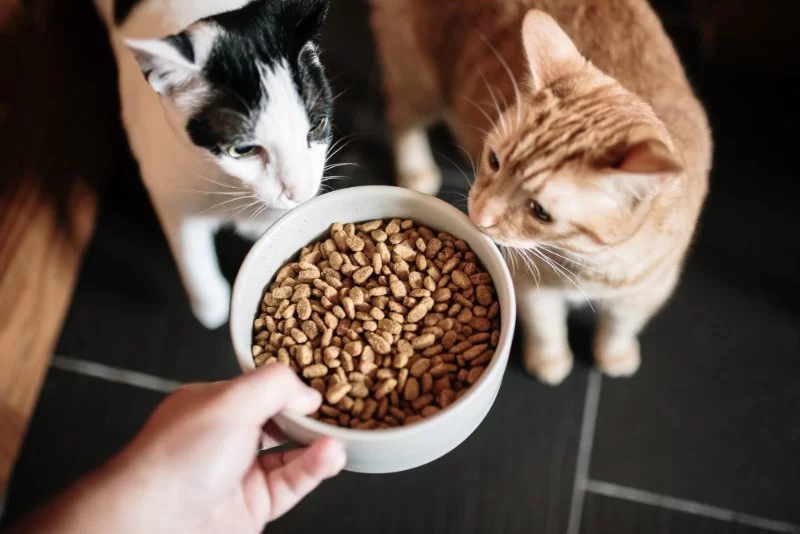
- Specialized Diet: One of the most important aspects of managing food-related IBS in pets is finding the right diet. A hypoallergenic or limited-ingredient diet can help identify and eliminate the food triggers causing discomfort. Consult your vet about switching to a special diet or prescription food that is gentle on your pet's digestive system.
- Small, Frequent Meals: Rather than feeding your pet large meals, try feeding them smaller, more frequent meals throughout the day. This helps prevent overloading their digestive system and can reduce IBS flare-ups.
- Probiotics: Probiotics can be beneficial for pets with IBS, as they help support healthy gut bacteria and improve digestion. Speak to your vet about probiotic supplements for pets.
- Stress Management: Reducing your pet’s stress levels is essential in managing IBS. Provide a quiet, safe space for your pet, establish a consistent routine, and ensure they get plenty of exercise and mental stimulation.
- Regular Vet Check-ups: Regular visits to the vet will help monitor your pet’s condition and adjust their treatment plan as needed. Your vet may recommend medications to help manage symptoms, such as anti-inflammatory drugs or anti-diarrheal medications.
Working with Veterinarians for IBS Treatment
Managing IBS in pets often requires professional guidance. Working with a veterinarian who understands the complexities of digestive disorders is key to providing the best care for your pet. Your vet may conduct tests to rule out other conditions that could be contributing to your pet’s digestive issues, such as parasites or infections. They can also help you develop a customized diet plan and recommend medications to ease symptoms.
It’s important to keep track of your pet’s symptoms and share any changes with your vet. Your vet may suggest further dietary changes or medications, and they will monitor your pet’s response to the treatment plan. Regular communication is essential for managing food-related IBS effectively.
If you are looking for expert advice or want to explore treatment options for your pet with IBS, visit Hidden Brook Veterinary for personalized care and product recommendations tailored to your pet’s needs.