- how-to-manage-pet-diabetes-overview
- understanding-diabetes-in-pets
- creating-a-diabetes-friendly-diet-plan
- monitoring-blood-glucose-levels
- managing-daily-routines-and-lifestyle
- common-challenges-and-how-to-handle-them
- real-cases-of-pet-diabetes-management
- when-to-seek-professional-support
How to Manage Pet Diabetes with Diet and Monitoring
Learning how to manage pet diabetes with diet and monitoring can be a life-changing step for both pets and owners. While the diagnosis can feel overwhelming at first, establishing a structured care routine helps pets adapt quickly and enjoy long, healthy lives. The key lies in understanding what diabetes does to the body, how food influences glucose levels, and how consistent monitoring keeps symptoms under control.
Many pet parents in the United States discover their pet's diabetes after noticing drinking changes, sudden weight loss, or unusual fatigue. With proper guidance—and sometimes a few adjustments to daily habits—most pets respond positively and live comfortably for years.
Understanding Diabetes in Pets
Diabetes in dogs and cats results from the body’s inability to produce or properly use insulin. Just like humans, pets need insulin to convert glucose into energy. When this process fails, blood sugar rises to dangerous levels, causing symptoms that require long-term management.

1. The Two Main Types of Diabetes in Pets
Most diabetic pets experience a form similar to Type 1 diabetes in humans, where insulin production is limited or nonexistent. A smaller percentage experience insulin resistance, often linked to obesity or hormonal conditions. Recognizing which type your pet has helps guide dietary and monitoring choices.
2. Early Warning Signs
Common early indicators include excessive thirst, increased urination, unexpected weight changes, cloudy eyes (especially in dogs), or lethargy. Detecting symptoms early allows for quicker interventions and better long-term control.
3. Why Management Matters
Uncontrolled diabetes can lead to organ damage, infections, nerve issues, and life-threatening diabetic ketoacidosis. With proper management through diet and monitoring, these risks can be greatly reduced.
Creating a Diabetes-Friendly Diet Plan
A proper diet is the cornerstone of how to manage pet diabetes with diet and monitoring. Food directly affects glucose levels, and a well-planned meal strategy supports insulin effectiveness and overall stability.
1. Choosing the Right Nutrient Balance
Diabetic dogs often do best on high-fiber diets that slow glucose absorption, while diabetic cats typically thrive on high-protein, low-carbohydrate diets due to their natural carnivorous needs.
2. Portion Control and Meal Timing
Setting fixed feeding times aligned with insulin doses supports stable glucose curves. Skipping meals, feeding inconsistent amounts, or allowing free feeding can cause dangerous fluctuations.
3. Treats and Forbidden Foods
Even small treats can spike glucose if they contain sugars or excess carbohydrates. Choose diabetic-safe treats—lean meats or specialized prescription-friendly varieties—and avoid bread, sugary snacks, or processed table food entirely.
Monitoring Blood Glucose Levels
Monitoring is the second crucial pillar in learning how to manage pet diabetes with diet and monitoring. Regular checks provide insights into how well your pet responds to meals, insulin, exercise, and changes in routine.
1. Home Glucose Testing
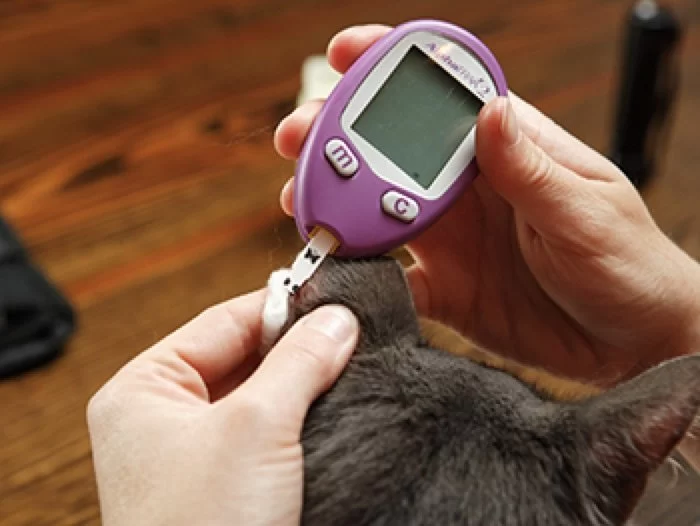
Modern glucose meters and pet-specific ear or paw-pad testing methods have made at-home monitoring painless and accessible. These readings help your veterinarian fine-tune insulin doses.
2. Continuous Glucose Monitors (CGMs)
CGMs have become popular among pet owners seeking more detailed glucose tracking. They provide real-time readings, reduce stress from frequent testing, and help identify patterns and glucose dips overnight.
3. Recognizing Highs and Lows
High glucose levels cause thirst, hunger, and fatigue, while low glucose levels can cause wobbliness, confusion, or even collapse. Knowing these signs helps pet owners react quickly and avoid emergencies.
Managing Daily Routines and Lifestyle
Consistency is key for diabetic pets. Their bodies respond best when meals, insulin, activity, and sleep occur at predictable times.
1. Exercise Moderation
Regular activity helps regulate glucose, but sudden increases or intense exercise can cause unexpected drops. Planning moderate, steady routines works best for most diabetic pets.
2. Hydration and Litter Box Monitoring
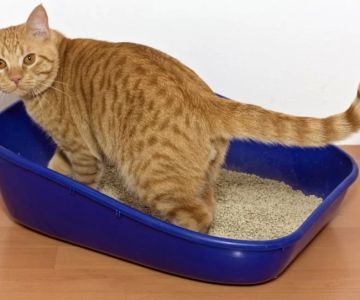
Water intake is closely tied to glucose control. Monitoring your pet’s drinking habits—and, for cats, litter box output—helps you track changes that may signal instability.
3. Stress Management
Stress affects glucose levels, especially in cats. Creating a calm environment, reducing loud noises, and maintaining familiar routines promote stability.
Common Challenges and How to Handle Them
Balancing diet and glucose monitoring isn’t always straightforward. Some days your pet may refuse food, act differently, or show unusual readings.
1. Appetite Fluctuations
If your pet skips a meal, insulin adjustments may be needed. Calling your veterinarian ensures safe dosing decisions that prevent dangerous lows.
2. Travel and Schedule Changes
Vacations, holidays, or long workdays can disrupt routines. Preparing backup feeding and insulin plans keeps glucose curves predictable.
3. Illness Interference
Even minor illnesses affect glucose. Monitoring more frequently during sickness helps prevent complications and guides timely adjustments.
Real Cases of Pet Diabetes Management
A popular online story features a senior orange tabby who was diagnosed with diabetes after dramatic weight loss. His owner switched him to a high-protein diet, tracked his glucose daily, and saw him regain energy within weeks.
Another case involved a diabetic dog struggling with nighttime glucose dips. Continuous monitoring revealed patterns that allowed the owner and vet to adjust feeding times, which stabilized his levels and improved sleep quality.
When to Seek Professional Support
Veterinary support remains essential throughout your pet’s diabetic journey. If glucose levels become erratic, appetite changes persist, or your pet shows signs of hypoglycemia, contacting a professional is crucial.
When you need personalized diet recommendations, glucose-monitoring tools, or reliable supplies, services like Hidden Brook Veterinary can provide expert guidance tailored to your pet’s unique needs.