- 1-Understanding Pet Anxiety During Vet Visits
- 2-Common Causes of Pet Anxiety at the Vet
- 3-Tips for Managing Pet Anxiety During Vet Visits
- 4-How to Prepare Your Pet for a Vet Visit
- 5-Getting Help for Severe Pet Anxiety
1-Understanding Pet Anxiety During Vet Visits
It’s common for pets to experience anxiety when they visit the vet, and understanding the causes and signs of this anxiety is the first step in managing it effectively. Whether it’s the car ride, the unfamiliar environment, or the medical procedures, the vet visit can be a stressful experience for both pets and their owners. Pet anxiety can manifest in different ways, from excessive barking and drooling to hiding and shaking.
Recognizing that pet anxiety is a natural response to unfamiliar or stressful situations can help owners approach it with empathy and patience. The good news is that there are many strategies you can use to reduce your pet's anxiety and make the visit as stress-free as possible.

2-Common Causes of Pet Anxiety at the Vet
There are several reasons why pets may experience anxiety during vet visits. Understanding these causes can help you take proactive steps to minimize stress for your furry friend. Some common causes of pet anxiety include:
- Separation Anxiety: Pets often experience anxiety when they are separated from their owners, especially if they are left alone in a new and unfamiliar environment like the vet’s office.
- Fear of the Unknown: Unfamiliar smells, sounds, and people can be overwhelming for pets. The sight of other animals and the general hustle and bustle of the vet’s office can also contribute to anxiety.
- Previous Negative Experiences: Pets that have had negative experiences at the vet, such as painful procedures or shots, may develop a fear of future visits. This association can create a sense of dread whenever they approach the clinic.
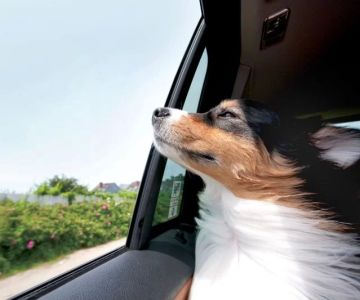
- Car Rides: For some pets, even the car ride to the vet can cause anxiety. The motion of the car, combined with the anticipation of the visit, can trigger stress before even arriving at the clinic.
Identifying the specific triggers of your pet's anxiety can help you focus on strategies to address them before, during, and after the visit.

3-Tips for Managing Pet Anxiety During Vet Visits
There are several strategies that can help manage and reduce your pet’s anxiety during vet visits. Here are some effective tips to ensure a more relaxed experience for both you and your pet:
- Keep the Routine: Try to keep your pet’s routine as normal as possible leading up to the vet visit. Familiarity with regular activities can help provide a sense of stability.
- Use Calming Products: There are a variety of products available to help calm anxious pets, including pheromone sprays, calming collars, and anxiety wraps. These can help reduce stress during the visit.
- Bring Comfort Items: Bring along your pet’s favorite blanket or toy to provide comfort and a sense of familiarity during the visit. Having a piece of home with them can make a big difference in how they feel.
- Stay Calm: Pets can pick up on their owner's emotions, so staying calm and composed can help reassure your pet. Speak in a soft, reassuring voice to help them feel safe.
- Practice Visits: If possible, schedule a few practice visits to the vet’s office where no medical procedures are done. Just getting your pet used to the sights, sounds, and smells of the clinic can help reduce anxiety during actual appointments.
By preparing your pet and using calming techniques, you can significantly reduce the stress they experience during a vet visit.
4-How to Prepare Your Pet for a Vet Visit
Preparation is key to managing your pet’s anxiety. Here are a few steps to help you prepare both mentally and physically for the vet visit:
- Pre-Visit Exercise: Take your pet for a walk or engage in playtime before the appointment. Physical activity can help burn off excess energy and reduce stress.
- Familiarize Your Pet with the Carrier or Car: If your pet is anxious about car rides or being in a carrier, get them used to the experience beforehand. Take short trips to the vet’s office or allow them to explore the carrier to create positive associations.
- Provide a Healthy Meal: Avoid feeding your pet a heavy meal right before the visit. A light snack can help settle their stomach and reduce any queasy feelings they may have during the car ride.
The more you prepare your pet for the visit, the more likely they are to feel relaxed and at ease during the appointment.
5-Getting Help for Severe Pet Anxiety
In some cases, pet anxiety can be severe and may require professional help. If your pet’s anxiety is significantly affecting their well-being or if they display aggressive behavior during vet visits, it’s important to consult with a veterinarian or a pet behaviorist for additional support. In some instances, prescription medications or specialized anxiety treatments may be necessary to help manage your pet’s anxiety.
Working closely with your vet and an animal behaviorist can help develop a tailored plan that includes behavioral therapies, relaxation techniques, and possibly medication to help your pet feel more comfortable during vet visits.
If you are looking for more resources on how to help your pet feel comfortable and safe during vet visits, visit Hidden Brook Veterinary for expert advice, products, and services that can assist with managing pet anxiety and making vet visits less stressful.