- understanding-end-of-life-care-for-pets
- recognizing-signs-of-decline
- providing-comfort-and-dignity
- making-compassionate-decisions
- emotional-support-for-pet-owners
1. Understanding End-of-Life Care for Pets
Helping a beloved pet through the final stages of life is one of the most emotional experiences for any pet owner. End-of-life care focuses on maintaining comfort, dignity, and peace for your pet as their health declines. Whether your furry friend is dealing with age-related conditions or a terminal illness, providing proper palliative support ensures that their final days are filled with love and compassion.
Veterinarians, such as the caring team at Hidden Brook Veterinary, often guide pet owners through this delicate process—offering hospice services, pain management, and emotional support. The goal is not only to ease your pet’s suffering but also to help you make thoughtful and compassionate decisions that respect their dignity.
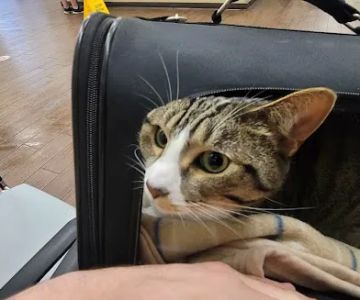
2. Recognizing Signs That Your Pet Is Nearing the End
Understanding when your pet is entering the final stage of life can help you prepare and provide the best possible care. Common signs include a decrease in appetite, increased fatigue, changes in breathing, and loss of interest in daily activities. In some cases, pets may seek solitude or have difficulty walking or controlling their bodily functions.

2.1 Physical Indicators
When a pet starts showing physical signs of discomfort such as labored breathing, persistent vomiting, or severe weight loss, it may be time to consult your veterinarian. These symptoms often indicate that your pet’s body is struggling to maintain balance and may need comfort care interventions.
2.2 Behavioral Changes
Behavioral changes, such as confusion, disinterest in play, or withdrawal from family members, can also signal declining health. Some pets may appear restless at night or experience anxiety. In these moments, gentle reassurance and a calm environment can greatly help them feel safe.
3. Providing Comfort and Dignity in End-of-Life Care
End-of-life care isn’t about prolonging life at all costs—it’s about ensuring quality of life and dignity. Here are compassionate ways to make your pet’s final days as comfortable as possible.
3.1 Creating a Peaceful Environment
Keep your pet’s surroundings quiet and familiar. Soft bedding, gentle lighting, and minimal noise can reduce anxiety. For dogs and cats, being near their family or a familiar scent can provide deep comfort. Avoid unnecessary stressors like loud noises or unfamiliar visitors.
3.2 Managing Pain and Discomfort
Proper pain management is essential. Your veterinarian may prescribe medication to ease discomfort or recommend therapies like massage, gentle heat pads, or mobility support. Avoid self-medicating your pet, as many human drugs can be toxic to animals. The experts at Hidden Brook Veterinary can help you find the safest options for pain relief and palliative care.
3.3 Maintaining Cleanliness and Hydration
As pets become weaker, they may need assistance staying clean and hydrated. Gently clean them with warm, damp cloths, and ensure they always have access to fresh water. Wet food or broths can help pets with a decreased appetite. Small gestures like these maintain dignity and express love in a profound way.
4. Making Compassionate End-of-Life Decisions
One of the hardest decisions a pet owner may face is choosing when to say goodbye. Euthanasia, though painful to consider, is sometimes the kindest choice when a pet is suffering with no chance of recovery. It allows them to pass peacefully, free from pain.
4.1 Consulting with Professionals
Discussing your options with a trusted veterinarian helps you make an informed and compassionate choice. Veterinarians can help assess your pet’s quality of life using tools such as pain scales and behavioral assessments. They can also explain the process of euthanasia and what to expect, allowing you to prepare emotionally and practically.
4.2 Creating a Loving Farewell
Before the final goodbye, spend time with your pet in their favorite place. Offer their favorite treats, play soft music, or simply sit with them in silence. Many families choose to hold their pet’s paw or speak comforting words during their final moments. This shared peace is a gift of love that stays with both pet and owner.
5. Emotional Support for Pet Owners During Loss
Losing a pet is like losing a family member. The grief can be overwhelming, but it’s important to allow yourself to feel and process those emotions. Joining a pet loss support group or speaking with a counselor can be incredibly healing. Sharing memories, photos, and stories can also help celebrate your pet’s life rather than focusing solely on their passing.
5.1 Real Story: A Peaceful Goodbye
Sarah, a pet owner from Colorado, shared how she helped her aging golden retriever, Max, pass peacefully at home. With the support of her veterinarian, she set up a soft bed near a sunny window and played his favorite music. Max’s final moments were calm and surrounded by love—a reflection of the life he had shared with his family. Stories like Sarah’s remind us that dignity, comfort, and love define a pet’s end-of-life journey.
5.2 Continuing the Bond
Even after your pet’s passing, the love you shared doesn’t fade. Many owners find comfort in memorializing their pets through photos, keepsakes, or planting a tree in their memory. Remember, grief takes time, but honoring your pet’s life helps turn loss into gratitude for the years spent together.
6. Finding Compassionate Care and Guidance
Helping a pet through the end of life is one of the purest expressions of love. It takes patience, empathy, and courage. When you need professional guidance or compassionate veterinary support, Hidden Brook Veterinary is here to help. Their experienced team can provide personalized end-of-life care plans, home euthanasia options, and emotional support for families. Together, you can ensure your pet’s final days are filled with dignity, peace, and love.