- #understanding-chronic-gi-disease-in-pets - symptoms-causes-and-long-term-care
- #why-diet-changes-are-critical - digestion-inflammation-and-nutrient-absorption
- #how-to-transition-pets-to-a-new-diet - pacing-portioning-and-patience
- #real-life-pet-diet-adjustment-stories - lessons-from-dogs-and-cats
- #monitoring-progress-and-setbacks - stool-energy-and-behavior-signs
- #working-with-veterinary-professionals - long-term-support-and-guidance
Understanding Chronic GI Disease in Pets
Chronic gastrointestinal disease in pets is more common than many owners realize, especially among dogs and cats in the U.S. These conditions often show up as recurring vomiting, diarrhea, weight loss, or inconsistent appetite. When pet owners search for How to Help Pets with Chronic GI Disease Adjust Diet, it is usually because daily feeding has become a source of stress rather than comfort.
Unlike short-term stomach upsets, chronic GI disease requires ongoing management. Diet plays a central role because the digestive system is already compromised. What a healthy pet tolerates easily may cause flare-ups in a pet with long-term GI sensitivity.
Common Causes and Long-Term Impact
Chronic GI issues can stem from food intolerances, inflammatory bowel disease, allergies, or immune-related conditions. Over time, repeated inflammation affects how nutrients are absorbed, which is why dietary consistency becomes so important. Pets may appear picky, but in reality, their bodies are reacting to discomfort.
Why Diet Changes Are Critical for GI Health
Food is more than fuel for pets with chronic GI disease. It directly influences inflammation levels, gut bacteria balance, and stool quality. A poorly matched diet can undo weeks of progress in just a few meals.
Digestion, Inflammation, and Ingredient Sensitivity
Many pets with chronic GI disease benefit from limited-ingredient or easily digestible diets. Proteins and carbohydrates that are harder to break down can irritate the gut lining. Reducing ingredient complexity often gives the digestive system a chance to stabilize.
Why Consistency Matters More Than Variety
While rotating foods is popular for healthy pets, GI-sensitive pets often do better with predictable meals. Sudden changes, even to high-quality food, can trigger symptoms. Stability helps the gut rebuild trust with what it receives.
How to Transition Pets to a New Diet Safely
One of the most important steps in learning how to help pets with chronic GI disease adjust diet is understanding pacing. Rushing a diet change is one of the most common reasons transitions fail.
Gradual Changes Reduce Digestive Stress
A slow transition over one to two weeks allows gut bacteria to adapt. Starting with small portions of the new food mixed into the current diet reduces shock to the digestive system. Some pets may need even longer, depending on symptom severity.
Portion Control and Feeding Schedules
Smaller, more frequent meals are often easier on sensitive stomachs. This approach prevents the gut from being overwhelmed and helps maintain stable energy levels throughout the day.
Real-Life Pet Diet Adjustment Stories
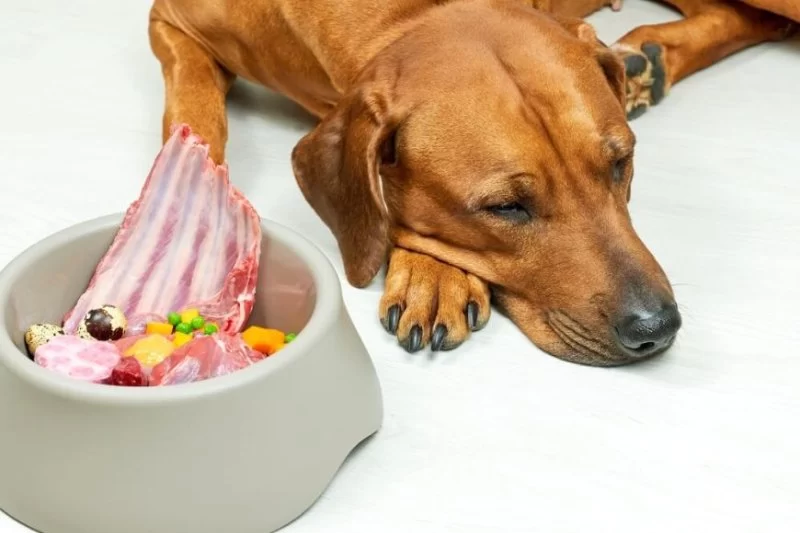
Many pet owners share similar experiences online. One widely discussed case involved a middle-aged dog with chronic diarrhea that improved only after a slow transition to a simplified diet over three weeks. The owner noted that patience, rather than constantly switching foods, made the difference.
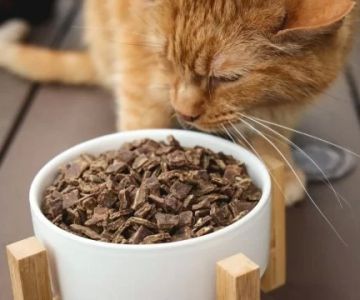
Cat owners often report a different challenge: refusal to eat new food. In these cases, warming food slightly or adjusting texture helped encourage acceptance without forcing sudden changes.
What These Stories Teach Pet Owners
The most consistent lesson is that progress is rarely linear. Mild setbacks do not mean failure. Careful observation and small adjustments build long-term success.
Monitoring Progress and Recognizing Setbacks
Tracking changes helps owners understand whether a diet is working. Stool consistency, energy levels, coat condition, and appetite all provide valuable clues.
Subtle Signs of Improvement
Improvement is not always dramatic. Firmer stools, reduced gas, or better appetite consistency often appear before major changes. These small wins indicate that the digestive system is responding positively.
When to Reassess the Diet Plan
If symptoms worsen or new issues appear, it may be time to reassess. Adjustments should be thoughtful rather than reactive, focusing on patterns rather than isolated incidents.
Working with Veterinary Professionals for Long-Term Support
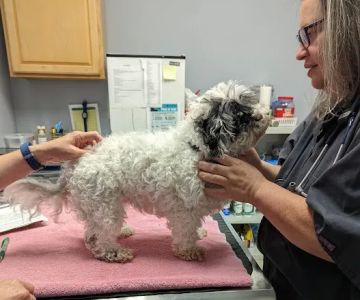
Managing chronic GI disease is rarely a solo effort. Veterinary guidance adds confidence and clarity, especially when dietary adjustments feel overwhelming. Clinics like Hidden Brook Veterinary often help pet owners evaluate food options, monitor response, and adjust plans based on individual needs.
Building Trust Through Ongoing Care
Long-term GI management is a partnership between pet owners and veterinary teams. With consistent diet choices, careful observation, and professional input, many pets go on to live comfortable, happy lives despite chronic digestive challenges.