- how-to-help-pets-with-chronic-gi-disease #how-to-help-pets-with-chronic-gi-disease
- adjusting-diet-for-pets-with-gi-issues #adjusting-diet-for-pets-with-gi-issues
- chronic-gi-disease-pet-care #chronic-gi-disease-pet-care
- best-diet-for-pets-with-gi-problems #best-diet-for-pets-with-gi-problems
- managing-gi-disease-in-pets #managing-gi-disease-in-pets
How to Help Pets with Chronic GI Disease Adjust Their Diet
Pets with chronic gastrointestinal (GI) disease often face a challenging road when it comes to managing their health. One of the most effective ways to alleviate symptoms and improve their quality of life is through a carefully adjusted diet. However, finding the right food can be difficult for both pet owners and their furry companions. In this article, we’ll explore how to help pets with chronic GI disease adjust their diet, offering practical tips and advice on the best foods, feeding schedules, and common dietary pitfalls to avoid.

Adjusting Diet for Pets with GI Issues: Key Considerations
1. Understanding GI Disease in Pets
Chronic GI disease in pets can manifest as conditions like inflammatory bowel disease (IBD), pancreatitis, or food allergies. These issues often cause symptoms such as vomiting, diarrhea, weight loss, and a lack of appetite. While each condition requires specific management, the foundation of treatment is diet. A balanced, easily digestible diet can reduce inflammation, promote healing, and prevent flare-ups.

2. Importance of Digestible Protein and Fat
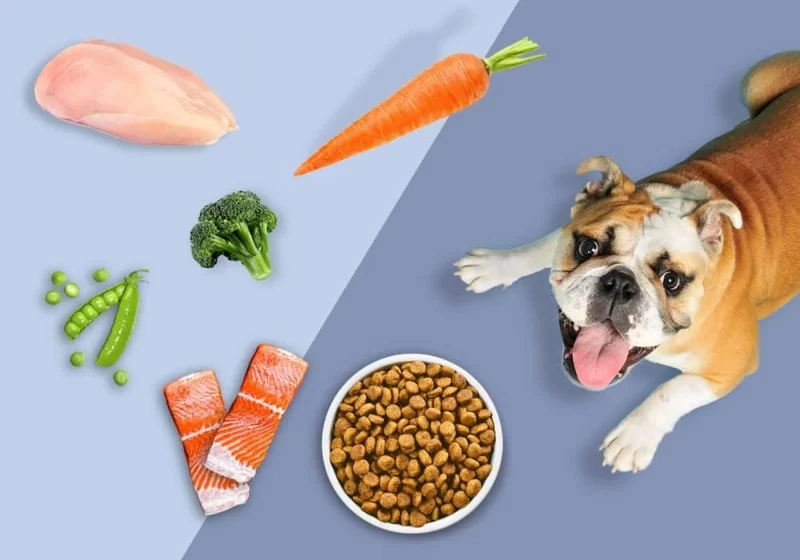
For pets with GI disease, it is essential to feed them foods that are easy to digest. High-quality, easily digestible proteins, such as chicken, turkey, or fish, are great options. Low-fat diets may also be recommended, particularly for pets with pancreatitis. Excessive fat can stress the pancreas and exacerbate symptoms. Additionally, a moderate amount of fiber can help regulate bowel movements and maintain gut health, though too much fiber can lead to discomfort and bloating.
Chronic GI Disease Pet Care: Monitoring and Adjusting
1. Gradual Transition to New Foods
When introducing a new diet, it’s important to do so gradually. A sudden change can overwhelm your pet’s digestive system, leading to further discomfort. Begin by mixing a small amount of the new food with the current food and slowly increase the amount over the course of several days. This allows the digestive system to adjust and minimizes the risk of gastrointestinal upset.
2. Tailoring Diet to Your Pet's Specific Needs
Every pet with GI disease has unique needs, so it’s important to work closely with a veterinarian to create a personalized dietary plan. Some pets may require prescription diets, while others may benefit from natural, home-cooked meals. Your vet can help you determine the appropriate food and ingredients based on the severity of the GI disease, your pet's breed, age, and any other underlying health conditions.
Best Diet for Pets with GI Problems
1. Prescription Diets for GI Disease
Prescription diets are specially formulated to address the nutritional needs of pets with GI issues. Brands like Hill’s Prescription Diet, Royal Canin, and Purina Pro Plan offer foods designed to support digestive health. These diets are often made with easily digestible proteins, limited ingredients to avoid allergens, and added nutrients to promote healing in the gut.
2. Limited Ingredient Diets
For pets with food allergies or sensitivities, a limited ingredient diet (LID) can help reduce flare-ups and inflammation. These diets contain a single protein source, such as lamb or salmon, and minimal carbohydrate ingredients. LIDs are also often free of artificial additives and fillers, making them a good option for pets with chronic GI disease.
Managing GI Disease in Pets: Feeding Schedules and Tips
1. Frequent, Smaller Meals
Feeding smaller, more frequent meals can be easier on your pet’s digestive system. Rather than feeding one or two large meals a day, break their daily food intake into three or four smaller meals. This helps ensure that the digestive tract isn’t overwhelmed, making it easier to process food and absorb nutrients.
2. Hydration is Key
Dehydration can worsen GI symptoms, particularly if your pet is experiencing diarrhea or vomiting. Always provide access to fresh water, and consider adding wet food to their diet to increase fluid intake. Some pets may also benefit from water or electrolyte supplements, which can help replenish lost fluids during periods of illness.
Supporting Your Pet with Hidden Brook Veterinary
At Hidden Brook Veterinary, we understand how difficult it can be to care for a pet with chronic GI disease. Our team is dedicated to providing expert guidance on diet, treatment options, and ongoing care to ensure your pet’s health and comfort. Whether your pet needs a prescription diet or personalized nutritional advice, we are here to help every step of the way.
Managing chronic GI disease in pets requires patience, diligence, and the right dietary adjustments. By following a carefully planned feeding regimen and consulting with your veterinarian, you can significantly improve your pet's health and quality of life.