- recognizing-the-early-signs-of-vision-loss-in-pets
- understanding-what-vision-loss-means-for-dogs-and-cats
- how-to-help-pets-cope-with-vision-loss-at-home
- emotional-support-and-behavior-adjustments-for-blind-pets
- real-life-stories-of-pets-adapting-to-vision-changes
- when-to-seek-professional-guidance-for-vision-impaired-pets
- building-a-safe-and-confident-future-for-your-pet
Recognizing the Early Signs of Vision Loss in Pets
Vision loss in pets often happens gradually, which makes it easy to miss at first. Many pet owners only realize something is wrong when their dog hesitates on stairs or their cat stops jumping onto favorite surfaces. Recognizing these subtle changes early can make a major difference in how smoothly your pet adapts.
Common early signs include bumping into furniture, increased anxiety in low-light conditions, reluctance to explore new spaces, or startling easily when approached. These behaviors are not always linked to aging alone and may signal developing eye conditions that deserve attention.

Understanding What Vision Loss Means for Dogs and Cats
Learning how to help pets cope with vision loss starts with understanding how they experience the world. Dogs and cats rely heavily on smell, hearing, and memory. While humans often see blindness as devastating, pets usually adapt more quickly when given proper support.
1. Gradual Versus Sudden Vision Changes
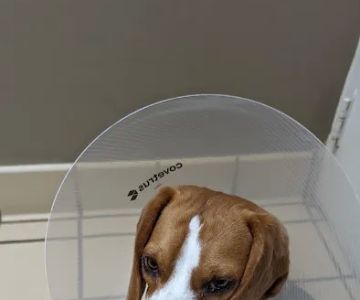
Pets who lose vision slowly often adjust more easily because they learn their environment over time. Sudden vision loss, caused by injury or acute illness, can be more emotionally challenging and may lead to fear or confusion initially.
2. The Role of Other Senses
A pet’s heightened sense of smell and sound becomes their primary guide. This natural adaptability is why many blind pets continue to play, navigate the house, and enjoy daily routines with confidence.
How to Help Pets Cope with Vision Loss at Home
The home environment plays a critical role in helping pets feel safe and independent. Small, thoughtful adjustments can significantly reduce stress and accidents.
1. Keeping Furniture and Layout Consistent
Avoid frequently rearranging furniture. Pets memorize pathways, and consistency allows them to move confidently without hesitation. If changes are necessary, introduce them slowly and guide your pet through the updated space.
2. Using Texture and Sound Cues
Area rugs, floor mats, or textured runners help pets recognize different zones in the home. Some owners use gentle sound cues, such as softly speaking when entering a room, to prevent startling their pet.
3. Protecting High-Risk Areas
Block access to stairs or pools until your pet learns safe navigation. Baby gates and low barriers provide reassurance without limiting independence.
Emotional Support and Behavior Adjustments for Blind Pets
Vision loss can affect a pet’s confidence, especially in the early stages. Emotional reassurance is just as important as physical adjustments.
1. Maintaining Familiar Routines
Consistent feeding times, walks, and play sessions help pets feel secure. Routine reinforces predictability, which reduces anxiety in visually impaired pets.
2. Training Through Voice and Touch
Voice commands and gentle touch cues become essential communication tools. Many owners discover their bond deepens as they rely more on verbal interaction.
3. Encouraging Safe Play and Exploration
Blind pets still enjoy play. Toys with sound or scent stimulation allow them to engage without frustration. Confidence grows when pets realize they can still have fun.
Real-Life Stories of Pets Adapting to Vision Changes
One widely shared story involved a senior rescue dog who lost his sight due to glaucoma. Initially withdrawn, he gradually regained confidence after his owner added textured floor paths and consistent verbal cues. Within months, he navigated the house independently and even resumed short walks.
Another example came from a cat owner who noticed her pet became blind after an illness. By keeping furniture stable and using scent markers near food and litter areas, the cat adapted so well that visitors often didn’t realize she had vision loss at all.
When to Seek Professional Guidance for Vision-Impaired Pets
Any noticeable change in your pet’s vision should be evaluated by a veterinary professional. Some conditions are treatable or manageable when caught early, while others benefit from supportive care plans.
Veterinary teams like those at Hidden Brook Veterinary can help assess eye health, recommend adaptive tools, and guide owners through long-term care strategies. Professional input adds reassurance and ensures your pet’s comfort remains the top priority.
Building a Safe and Confident Future for Your Pet
Helping a pet adjust to vision loss is a journey, not a one-time fix. Patience, observation, and small daily efforts create a world where your pet feels secure and loved.
When pet owners focus on understanding rather than limitation, vision loss becomes just another part of life, not the defining feature. With the right environment and support, blind pets continue to thrive, proving that quality of life depends far more on care than eyesight.