- 1. Understanding Pet Convalescence
- 2. Key Steps in Helping Pets Recover
- 3. Monitoring Your Pet During Recovery
- 4. How to Make Your Pet's Recovery Comfortable
- 5. When to Seek Veterinary Help
- 6. Why Choose Hidden Brook Veterinary for Pet Care
1. Understanding Pet Convalescence
After a major illness, your pet’s recovery can be a delicate and gradual process. Convalescence refers to the period during which an animal is recovering from a health issue, and it involves more than just medical treatment. Just like humans, pets need time to heal physically and emotionally after an illness or surgery. During this time, their needs evolve, and their caregivers must be prepared to offer support and attention to ensure a smooth recovery.
Pet convalescence isn’t always linear. Some pets may bounce back quickly, while others may require extended care. Understanding the nuances of pet recovery, including the physical limitations and emotional state your pet might experience, is essential to their healing process. This article will guide you through how to care for your pet during their recovery phase, helping you know when to intervene and when to seek additional help.
2. Key Steps in Helping Pets Recover
Supporting your pet during recovery involves a multi-faceted approach. Here are some key steps you can take to help your pet convalesce effectively:
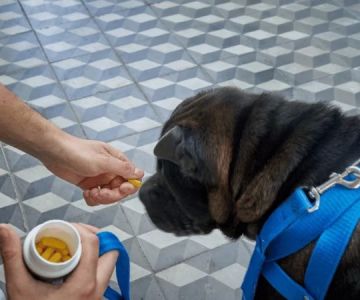
- Follow Veterinary Instructions: Your veterinarian will provide specific care instructions for your pet’s recovery. These might include administering medication, managing dietary needs, and limiting physical activity. Adhering strictly to these instructions is crucial for a successful recovery.
- Maintain a Calm and Comfortable Environment: Your pet needs a peaceful, safe space to recover. This means minimizing stressors like loud noises, unfamiliar animals, or disruptions to their routine. A quiet, cozy area with their favorite bedding will help them feel secure as they heal.
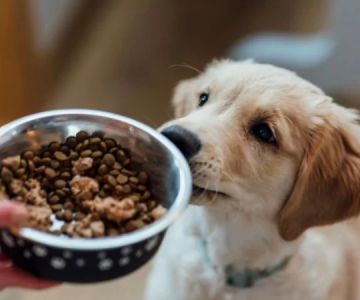
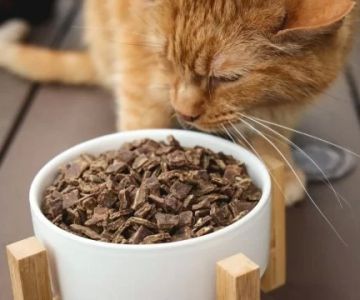
- Monitor Their Eating and Drinking Habits: Appetite and hydration can often be affected by illness. Ensure that your pet is eating and drinking as recommended by the veterinarian. If your pet refuses food or water for an extended period, consult your vet for advice.
- Exercise Caution with Activity: Limiting your pet’s physical activity is often crucial during recovery. While you might feel tempted to allow your pet to play, rest is essential. A proper balance between rest and short, gentle walks (if appropriate) can prevent setbacks.
By following these steps, you’ll help ensure that your pet has the best possible environment for recovery and the best chance at full restoration to health.
3. Monitoring Your Pet During Recovery
During the convalescence period, keeping a close eye on your pet’s progress is essential. You need to be aware of changes in their behavior, physical condition, and overall well-being. Some common things to watch for include:
- Changes in Behavior: Your pet may be more lethargic, anxious, or irritable than usual. It’s important to differentiate between normal post-illness fatigue and signs that something is wrong. Watch for signs of pain or distress such as whining, limping, or avoiding movement.
- Signs of Infection: After surgery or illness, infections are a risk. Keep an eye on the incision site (if applicable) for signs of redness, swelling, or discharge. If you notice any unusual changes, contact your vet promptly.
- Weight Changes: Weight fluctuations are common during recovery. If your pet is losing weight due to lack of appetite, or gaining weight due to lack of exercise, this can affect their overall health. Discuss any significant changes with your vet.
Routine check-ins with your vet can also help track your pet’s recovery progress and allow you to address any concerns early on. Regular communication with a veterinary professional is crucial during this time.
4. How to Make Your Pet's Recovery Comfortable
Making your pet’s recovery comfortable is a big part of the healing process. Here are some strategies to ensure your pet stays as comfortable as possible while they convalesce:
- Provide a Comfortable Recovery Space: Create a designated, quiet area where your pet can relax and recover without distractions. Soft bedding, easy access to food and water, and a calm atmosphere will help them feel safe.
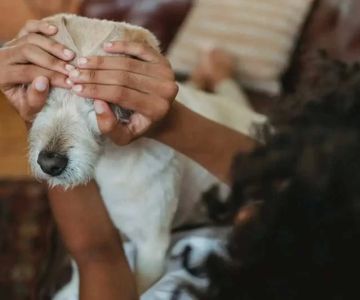
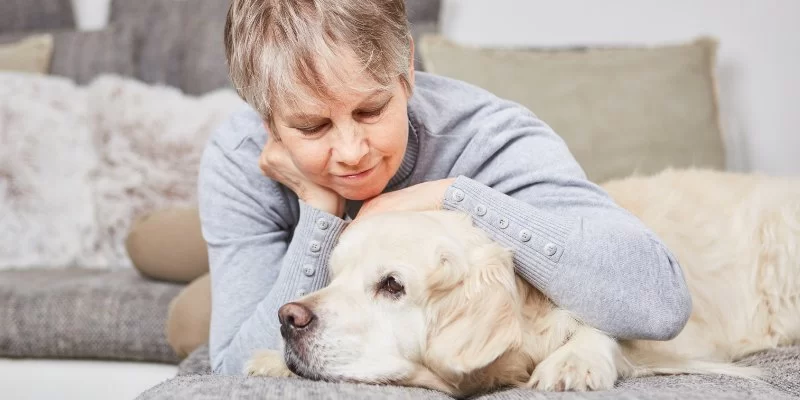
- Gentle Physical Contact: Some pets may benefit from gentle petting or comforting, but others may prefer solitude. Respect your pet’s boundaries and offer physical affection in a way that makes them feel safe and not overwhelmed.
- Temperature Control: Keeping your pet at a comfortable temperature is important. Ensure they are neither too hot nor too cold during recovery. If they have had surgery, they may appreciate a blanket or warmer environment.
- Encourage Mental Stimulation: Depending on their condition, some pets may benefit from interactive toys or light activities. These can help prevent boredom and anxiety, keeping them mentally engaged without overexerting them.
By ensuring that your pet has a comfortable and stress-free recovery environment, you’ll be aiding their healing and helping them recover more quickly.
5. When to Seek Veterinary Help
While many pets can recover successfully at home, there are times when you need to seek veterinary help. Here are some situations that warrant a visit to the vet:
- Severe or Persistent Pain: If your pet appears to be in significant pain that is not alleviated with prescribed medication, consult your vet immediately. Excessive pain may indicate complications or a need for adjusted treatment.
- Failure to Eat or Drink: If your pet refuses food or water for more than a day or two, it’s important to consult your vet. Dehydration and malnutrition can slow down the healing process and lead to further complications.
- Infections or Complications: If you notice any signs of infection (such as fever, swelling, or pus), or if the recovery doesn’t seem to be progressing, it’s essential to take your pet to the vet.
- Behavioral Changes: Any significant changes in behavior that are not typical for your pet should be checked out. Aggression, extreme lethargy, or excessive anxiety can be signs that something is wrong.
Always trust your instincts as a pet owner. If you feel something isn’t right, don’t hesitate to reach out to a veterinary professional.
6. Why Choose Hidden Brook Veterinary for Pet Care
At Hidden Brook Veterinary, we understand how important your pet’s health is, and we’re dedicated to providing the best care possible. Our experienced team specializes in post-illness care, offering expert guidance on how to help your pet recover and providing treatments designed to speed up the healing process.
If your pet is recovering from a major illness or surgery, trust Hidden Brook Veterinary to provide the support they need. We offer comprehensive check-ups, personalized care plans, and ongoing support to ensure your pet’s recovery goes smoothly. Contact us today to schedule an appointment or get more information on how we can assist with your pet’s care during recovery.