How to Detect Kidney Disease Early in Cats and Protect Their Long-Term Health
- #How-to-detect-kidney-disease-early-in-cats—why-early-detection-matters
- #Behavioral-and-physical-changes—early-clues-you-shouldn’t-ignore
- #Home-monitoring-habits—that-help-you-spot-warning-signs
- #Veterinary-tests-and-screenings—how-professionals-confirm-kidney-issues
- #Real-life-stories—how-cat-owners-discovered-kidney-disease-in-time
- #Working-with-Hidden-Brook-Veterinary—to-build-a-care-plan
How to Detect Kidney Disease Early in Cats—Why Early Detection Matters
Kidney disease is one of the most common chronic illnesses affecting cats, especially as they age. What makes it challenging is that signs often appear slowly and quietly—sometimes over months or years. Many cat owners don’t realize their pet is struggling until the kidneys have already lost significant function. That’s why understanding how to detect kidney disease early in cats is essential for giving them a longer, more comfortable life.
Early detection matters because the kidneys compensate for damage extremely well. By the time a cat shows obvious symptoms, the disease is often advanced. But when caught early, supportive care, diet changes, hydration strategies, and monitoring can dramatically slow progression.

Behavioral and Physical Changes—Early Clues You Shouldn’t Ignore
Cats are experts at hiding discomfort. That’s part of what makes early kidney disease tricky. But subtle changes in behavior, appearance, and daily routines can be powerful early indicators if you know what to watch for.

1. Increased thirst and more frequent urination
One of the earliest signs of declining kidney function is a cat suddenly drinking more water than usual. You may notice the water bowl emptying faster or your cat seeking water from odd places—bathtubs, sinks, or even glasses left out on the counter.
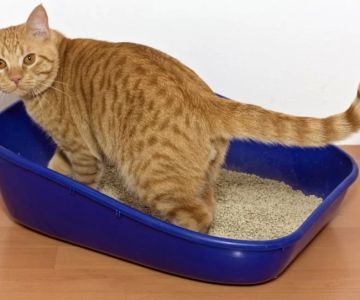
Similarly, increased urination—larger clumps in the litter box or more frequent trips—can signal that the kidneys are losing the ability to concentrate urine.
2. Subtle changes in weight or appetite
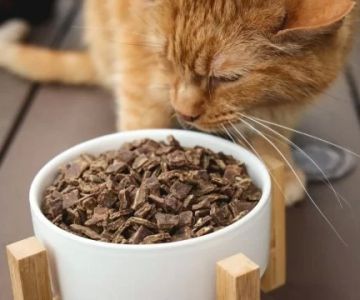
Many cats with early kidney disease begin to lose weight slowly. It’s not dramatic at first—often just a slight decrease that’s easy to overlook if you don’t weigh your cat regularly. A mild decline in appetite often goes hand in hand with this change.
3. Decreased grooming or dull coat
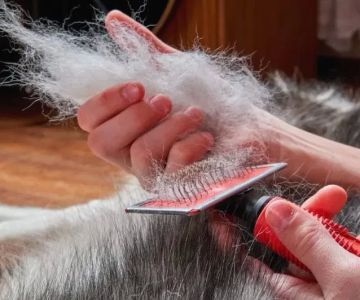
Poor grooming, especially in older cats, can be a sign of discomfort, nausea, or dehydration—all of which are associated with kidney disease. Their fur may look dry, unkempt, or flaky.
4. Subtle behavioral shifts
Some cats become more withdrawn, while others become clingier. You might see changes in their energy levels, sleeping patterns, or interactions with family members. Cats rarely make these shifts without a reason.
Home Monitoring Habits That Help You Spot Warning Signs
You don’t need professional equipment to start monitoring your cat’s health. Small habits at home make a big difference in catching kidney problems early.
1. Keep an eye on water intake
Measure or roughly track how often you refill the bowl. A sudden spike in thirst is a red flag worth noting.
2. Check the litter box consistently
The litter box tells a silent story about your cat’s internal health. Larger or more frequent clumps may indicate early renal issues.
3. Feel your cat’s body condition
Run your hand along their spine and hips weekly. Subtle weight loss is easier to feel than see.
4. Log small behavioral changes
A notebook or phone note dedicated to your cat’s habits can help you see patterns over time—something many owners overlook until symptoms become serious.
Veterinary Tests and Screenings—How Professionals Confirm Kidney Issues
While home monitoring is incredibly helpful, it cannot replace veterinary testing. Vets use specific diagnostics to detect kidney disease earlier than symptoms ever appear. If you're concerned about something you’ve noticed at home, this is where professional insight becomes critical.
1. Blood tests (Creatinine, BUN, SDMA)
One of the most valuable early-detection tools is the SDMA test, which can identify kidney issues before traditional blood markers change. Creatinine and BUN levels also help measure kidney filtration ability.
2. Urinalysis
This test reveals how concentrated your cat’s urine is and checks for protein loss—an early sign of kidney stress.
3. Blood pressure monitoring
High blood pressure is common in cats with kidney disease and can further damage the kidneys if untreated.
4. Ultrasound imaging
Sometimes, vets use ultrasound to look at kidney size and structure, especially when early symptoms or lab tests indicate potential issues.
Real-Life Stories—How Cat Owners Discovered Kidney Disease in Time
One cat owner I spoke with said she first noticed something was off when her normally tidy senior cat started missing the litter box. It seemed like a behavioral issue—until she realized he was urinating more frequently and couldn’t make it in time. A quick vet visit revealed early-stage kidney disease. Because she caught it early, small changes in diet and hydration kept him stable for years.
Another story came from a family who thought their cat was just “getting picky” with food. Instead, the vet discovered early renal insufficiency. Switching to a renal-support diet and scheduling routine checkups helped the cat return to a healthier weight and maintain good quality of life.
Working With Hidden Brook Veterinary to Build a Care Plan
If you're concerned about subtle changes you’ve noticed—or simply want to be proactive—this is the perfect moment to reach out to Hidden Brook Veterinary. Early intervention can shape your cat’s long-term kidney health more than almost anything else. Their team can guide you through diagnostics, nutritional adjustments, hydration strategies, and tailored monitoring plans.
When you understand how to detect kidney disease early in cats, you’re not just preventing a future problem—you’re giving your companion the gift of a longer, healthier, more comfortable life. Whether you’re already noticing early signs or you just want peace of mind, professional support from Hidden Brook Veterinary makes the process clearer and far less stressful.