- 1- Understanding-Kidney-Disease-in-Cats #understanding-kidney-disease-in-cats
- 2- Early-Symptoms-of-Kidney-Disease-in-Cats #early-symptoms-of-kidney-disease-in-cats
- 3- Common-Risk-Factors-for-Kidney-Disease-in-Cats #common-risk-factors-for-kidney-disease-in-cats
- 4- How-to-Diagnose-Kidney-Disease-in-Cats #how-to-diagnose-kidney-disease-in-cats
- 5- The-Importance-of-Regular-Veterinary-Checkups #the-importance-of-regular-veterinary-checkups
- 6- Treatment-Options-for-Kidney-Disease-in-Cats #treatment-options-for-kidney-disease-in-cats
- 7- Real-Life-Experiences-and-Case-Studies #real-life-experiences-and-case-studies
1. Understanding Kidney Disease in Cats
Kidney disease is one of the most common health issues in cats, particularly as they age. The kidneys are responsible for filtering waste products from the blood, regulating fluid balance, and producing certain hormones. When the kidneys are no longer able to perform these functions properly, kidney disease, or renal failure, can occur. This condition can be acute or chronic, with chronic kidney disease (CKD) being more common in older cats.
Chronic kidney disease in cats is progressive, meaning it worsens over time. The good news is that early detection and treatment can slow down the progression and improve your cat’s quality of life. Recognizing kidney disease early in cats is essential for effective treatment and management, and the earlier it’s detected, the better the prognosis.
2. Early Symptoms of Kidney Disease in Cats
Early-stage kidney disease in cats may not present obvious symptoms, which is why it’s important for cat owners to stay alert and monitor their pets for subtle signs. Some early symptoms that may indicate kidney problems include:
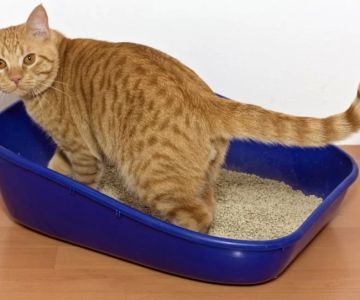
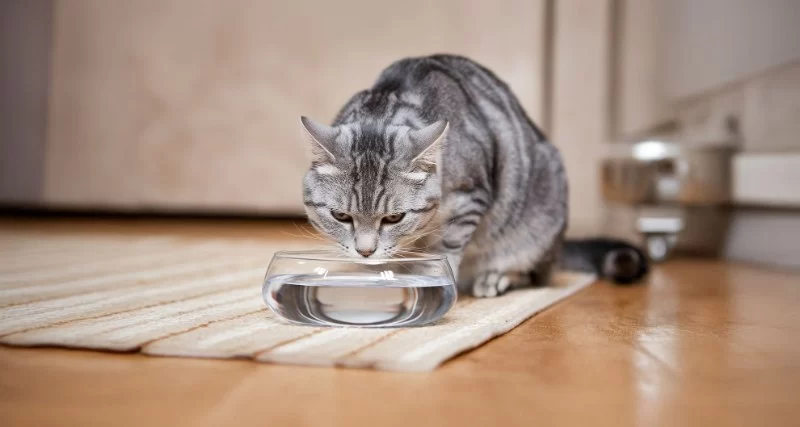
1. Increased Thirst and Urination: One of the earliest signs of kidney disease in cats is an increase in thirst (polydipsia) and urination (polyuria). The kidneys lose their ability to concentrate urine, causing your cat to drink and urinate more frequently.
2. Weight Loss: As kidney function declines, cats may start losing weight, even if they are eating well. This is due to the body breaking down muscle tissue for energy when the kidneys cannot properly filter waste.
3. Decreased Appetite: Cats with kidney disease may show a decrease in appetite (anorexia). This can be due to nausea or the accumulation of toxins in the body that affect their sense of smell and taste.
4. Vomiting and Diarrhea: Cats with kidney disease often experience gastrointestinal issues, including vomiting and diarrhea. This can result from the buildup of waste products in the bloodstream.
5. Lethargy: Cats with kidney disease may become more tired than usual and may seem less interested in playing or exploring their environment. They may sleep more and show less energy overall.
While these symptoms may point to kidney disease, they can also be signs of other health issues. It's important to consult your veterinarian for a proper diagnosis if you notice these changes in your cat's behavior.

3. Common Risk Factors for Kidney Disease in Cats
Certain factors can increase a cat’s risk of developing kidney disease. Understanding these risk factors can help you be more proactive in monitoring your cat's health:
1. Age: Older cats, typically over the age of 7, are more likely to develop chronic kidney disease. Kidney function naturally declines with age, making senior cats more vulnerable.
2. Breed: Some cat breeds are more prone to kidney disease. Breeds like Persian, Abyssinian, and Siamese cats are at higher risk due to genetic factors.
3. High Blood Pressure: High blood pressure (hypertension) can damage the kidneys over time. Cats with untreated hypertension are at greater risk for kidney problems.
4. Dehydration: Cats that don’t drink enough water or are chronically dehydrated are at a higher risk of kidney disease. Dehydration can lead to the kidneys working harder than normal, which can cause them to become damaged over time.
5. Previous Health Conditions: Cats with a history of urinary tract infections, kidney stones, or other kidney-related issues are more likely to develop chronic kidney disease later in life.
Being aware of these risk factors can help you monitor your cat’s health and take preventive measures to ensure they stay healthy as they age.
4. How to Diagnose Kidney Disease in Cats
Early detection of kidney disease requires a combination of physical exams, blood tests, and urine tests. If you suspect your cat may have kidney disease, your veterinarian will likely recommend the following:
1. Physical Examination: The vet will perform a thorough physical exam, checking for signs of dehydration, weight loss, and overall health. The vet will also assess your cat’s vital signs and look for any abnormalities.
2. Blood Tests: Blood tests are essential for diagnosing kidney disease. A high level of creatinine and blood urea nitrogen (BUN) in the blood can indicate kidney dysfunction.
3. Urine Tests: Urine analysis helps determine how well the kidneys are filtering waste. In kidney disease, urine may be diluted, showing low specific gravity, and the presence of protein or blood can indicate kidney damage.
4. Imaging: In some cases, your vet may use X-rays or ultrasound to examine the kidneys for abnormalities like cysts, stones, or signs of damage.
If kidney disease is detected early, the veterinarian will develop a treatment plan to manage the disease and slow its progression.
5. The Importance of Regular Veterinary Checkups
One of the most important steps in detecting kidney disease early in cats is regular veterinary checkups. Annual exams are essential for senior cats, as they allow the vet to detect any signs of kidney disease before symptoms become severe. Early diagnosis allows for prompt treatment and can greatly improve your cat’s quality of life.
In addition to regular physical exams, blood and urine tests should be a part of your cat’s routine checkups, especially if they are over 7 years old or have risk factors for kidney disease. The earlier kidney disease is detected, the more effective the treatment options will be.
6. Treatment Options for Kidney Disease in Cats
While kidney disease is not curable, there are treatment options available to help manage the condition and improve your cat’s quality of life. Some common treatments include:
1. Diet Modification: A special renal diet that is low in protein, phosphorus, and sodium can help ease the burden on the kidneys. Your vet will recommend a suitable food plan to support kidney health.
2. Fluid Therapy: Subcutaneous fluids are often given to cats with kidney disease to help prevent dehydration and support kidney function. Regular fluid therapy can help flush out toxins from the body.
3. Medications: Medications such as phosphate binders, potassium supplements, and ACE inhibitors can help manage symptoms and slow the progression of kidney disease.
4. Regular Monitoring: Kidney disease requires ongoing monitoring through blood and urine tests. Regular vet visits will help track the progression of the disease and adjust treatments as necessary.
7. Real-Life Experiences and Case Studies
Many cat owners have successfully managed kidney disease in their pets by following treatment plans and making adjustments to their cat's lifestyle. One owner shared how their 12-year-old cat, diagnosed with kidney disease, thrived with a special diet, fluid therapy, and regular vet visits. “She’s doing so much better and is still happy and playful,” the owner said. “I’m so grateful we caught it early and have been able to manage it.”
Another cat owner with a senior cat diagnosed with kidney disease found that by reducing stress, providing a cozy environment, and ensuring proper hydration, their cat lived comfortably for years with the disease. Early diagnosis and dedicated care made a significant difference in their cat’s well-being.
If you think your cat may have kidney disease, don’t wait—early detection is key to managing the disease and helping your cat live a long, healthy life. For more information on feline kidney disease or to schedule a checkup, visit Hidden Brook Veterinary.