- 1-what-are-pet-ear-polyps-or-growths
- 2-early-symptoms-that-signal-an-ear-problem
- 3-common-causes-behind-ear-polyps-in-pets
- 4-diagnosis-how-veterinarians-identify-ear-growths
- 5-treatment-options-for-pet-ear-polyps
- 6-real-cases-from-pet-owners
- 7-why-hidden-brook-veterinary-is-the-right-choice
1. What Are Pet Ear Polyps or Growths
Many pet owners first learn about how to detect and treat pet ear polyps or growths only after noticing their pets scratching excessively or shaking their heads. Ear polyps are non-cancerous masses that develop within the ear canal, middle ear, or throat area. While often benign, they can cause significant discomfort if ignored—including chronic infections and hearing loss.

1.1 Why Understanding Ear Polyps Matters
Because ear polyps grow gradually, pets may hide the discomfort until the growth becomes large enough to interfere with hearing or balance. Understanding the condition helps prevent long-term complications.
1.2 Pets Most Commonly Affected
Cats, especially younger ones, tend to develop ear polyps more often than dogs. However, dogs with chronic ear infections can also experience similar growths.
2. Early Symptoms That Signal an Ear Problem
Recognizing symptoms early is crucial in learning how to detect and treat pet ear polyps or growths. Many signs begin subtly.
2.1 Behavioral Signals
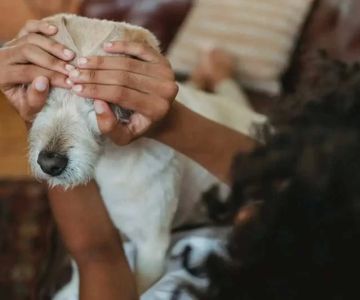
Pets may scratch their ear frequently, rub their head against furniture, or resist being touched around the ear. These signs often indicate irritation or pain.
2.2 Physical Symptoms
Look for discharge, swelling, redness, or a foul smell inside the ear. Some pets tilt their heads or stumble due to balance issues caused by deeper polyps.
2.3 Hearing and Neurological Changes
Hearing loss, unusual vocalizations, or sudden behavioral changes can appear if the growth presses against nerves or blocks the ear canal.
3. Common Causes Behind Ear Polyps in Pets
Ear polyps don't appear without reason. Understanding the causes helps owners take preventive steps.
3.1 Chronic Ear Infections
Repeated infections can damage tissue inside the ear canal, making it more likely for abnormal growths to form.
3.2 Allergies
Environmental or food allergies often cause chronic inflammation, which may contribute to polyp development.
3.3 Viral or Genetic Factors
Some polyps are associated with viral infections—especially in young cats—or hereditary structural weaknesses in the ear.
4. Diagnosis: How Veterinarians Identify Ear Growths
Detecting ear polyps requires careful examination and professional tools.
4.1 Visual Examination and Otoscope Inspection
Your veterinarian will use an otoscope to look deep inside the ear canal for signs of abnormal tissue or structural changes.
4.2 Imaging and Testing
When a growth is located deeper in the ear or middle canal, imaging—such as X-rays or CT scans—helps visualize the affected areas accurately.
4.3 Laboratory Analysis
If fluid or tissue samples are taken, lab tests can rule out infections, tumors, or complicating factors.
5. Treatment Options for Pet Ear Polyps
Understanding how to detect and treat pet ear polyps or growths means knowing the full range of treatment possibilities.
5.1 Medication-Based Management
In early or mild cases, anti-inflammatories, antibiotics, or steroid drops may reduce swelling and discomfort.
5.2 Surgical Removal
For more serious or persistent polyps, surgical extraction is typically recommended. Removing the entire growth helps prevent recurrence.
5.3 Post-Surgery Care and Monitoring
Pets recovering from polyp removal need follow-up exams to ensure healing progresses correctly and infections do not recur.
6. Real Cases From Pet Owners
Case: The Cat Who Wouldn’t Stop Scratching. A 2-year-old domestic shorthair seemed overly irritated for weeks. The family assumed it was allergies until a vet exam revealed a large polyp lodged in the ear canal. After surgical removal, the cat immediately returned to normal behavior.
Case: The Senior Dog With Sudden Hearing Loss. A gentle senior Labrador stopped responding to commands. The owners believed it was age-related hearing decline. Instead, a hidden ear growth was blocking sound entirely. Treatment restored partial hearing and eliminated ongoing infections.
Case: The Kitten With Balance Issues. A rescued kitten repeatedly fell over when playing. A deep middle-ear polyp was discovered during imaging. Early intervention helped the kitten develop without long-term neurological issues.
7. Why Hidden Brook Veterinary Is the Right Choice
For pet owners trying to understand how to detect and treat pet ear polyps or growths, expert guidance makes all the difference. Hidden Brook Veterinary provides advanced diagnostics, gentle handling, and personalized treatment plans tailored to each pet’s condition.
Whether you're dealing with persistent ear infections or new, unexplained symptoms, their experienced team can help identify the underlying cause and recommend the most effective treatment.
Visiting Hidden Brook Veterinary ensures your pet receives compassionate care, accurate diagnosis, and long-term support for lasting ear health.