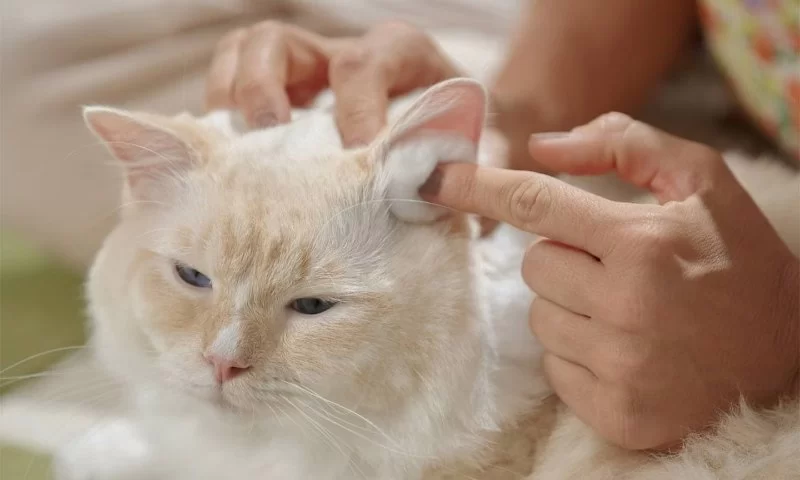
- importance-of-ear-cleaning
- how-to-clean-pet-ears
- when-to-see-a-veterinarian
- preventing-ear-infections-in-pets
- common-signs-of-ear-infections
Why Ear Cleaning is Important for Pets
Regular ear cleaning is essential for maintaining your pet’s overall health and hygiene. While some pets are more prone to ear problems, all dogs and cats can benefit from a proper ear cleaning routine. Keeping their ears free from dirt, moisture, and wax buildup can help prevent infections and other health issues.

1. Preventing Ear Infections
Ear infections are one of the most common health problems in pets. They are often caused by bacteria, yeast, or allergies that thrive in a dirty or moist environment. Regular ear cleaning helps remove debris and prevent these infections from developing. If left untreated, ear infections can lead to serious pain and even permanent hearing loss.

2. Enhancing Comfort and Well-being
A clean ear means less discomfort for your pet. If their ears are clogged with wax or debris, it can cause itching and irritation, leading to scratching or shaking of the head. By keeping their ears clean, you help ensure they remain comfortable and happy.
How to Clean Your Pet’s Ears: A Step-by-Step Guide
Cleaning your pet's ears may seem like a daunting task, but with the right tools and approach, it can be a simple and stress-free experience. Follow these steps to ensure you clean your pet's ears safely and effectively:
1. Gather the Necessary Supplies
Before you begin, make sure you have everything you need. The following items are essential for ear cleaning:
- Pet-safe ear cleaning solution (never use alcohol or hydrogen peroxide)
- Cotton balls or gauze pads
- Soft towels
- Treats for positive reinforcement
2. Prepare Your Pet
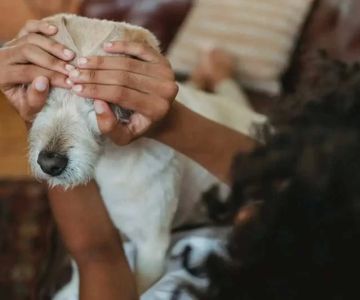
Start by creating a calm environment for your pet. Gently hold your pet’s head and reassure them with a soft voice. For dogs, it may help to have another person hold them still, especially if they are nervous. Cats are usually more cooperative when they feel secure, so make sure they are comfortable and relaxed.
3. Apply the Ear Cleaner
Place a few drops of the ear cleaning solution into the ear canal. Gently massage the base of the ear to help loosen any debris and wax. Make sure to avoid pushing anything into the ear canal too deep, as it can damage the ear drum.
4. Wipe Away Debris
Using a cotton ball or gauze pad, gently wipe away any dirt or wax from the inside of the ear. Be sure to only clean the outer parts of the ear and avoid going too deep into the ear canal. Repeat until the cotton ball comes away clean.
5. Reward and Praise
After cleaning, give your pet a treat and lots of praise. This positive reinforcement will help them associate ear cleaning with something enjoyable and make future cleaning sessions easier.
When to See a Veterinarian for Ear Issues
While regular ear cleaning can prevent many problems, it’s important to know when to seek veterinary help. If your pet shows any of the following signs, it may indicate an underlying ear infection or issue that requires professional care:
1. Foul Smell
If your pet’s ears have a strong, unpleasant odor, it could be a sign of infection or a buildup of bacteria or yeast. A vet can identify the cause and recommend the appropriate treatment.
2. Redness or Swelling
Red or swollen ears are often indicative of an infection or allergy. If you notice these symptoms, it’s best to take your pet to the vet for further examination.
3. Excessive Scratching or Shaking
Persistent scratching, head shaking, or rubbing the ears against the ground or furniture can be signs of discomfort or pain. If these behaviors are frequent, a vet visit is necessary to rule out any serious conditions.
Preventing Ear Infections in Pets
In addition to regular cleaning, there are several other ways to prevent ear infections in pets:
1. Keep Ears Dry
Moisture in the ears can promote the growth of bacteria and yeast. After baths, swims, or walks in the rain, make sure to dry your pet’s ears thoroughly using a towel or cotton ball.
2. Monitor for Allergies
If your pet suffers from allergies, they may be more prone to ear infections. Work with your veterinarian to manage any allergies and reduce their impact on your pet’s ears.
3. Regular Check-ups
Routine veterinary check-ups can help catch any ear problems early. Your vet will examine your pet’s ears and address any concerns before they become more serious.
Common Signs of Ear Infections
Recognizing the symptoms of an ear infection early can help ensure your pet receives the right treatment. Some common signs include:
- Redness or swelling inside the ear
- Excessive scratching or rubbing of the ears
- Foul odor coming from the ears
- Discharge or fluid from the ear
- Head tilting or shaking
- Pain or sensitivity when touching the ear
If you notice any of these signs, it’s important to consult your veterinarian right away to prevent the infection from spreading or causing more serious damage.