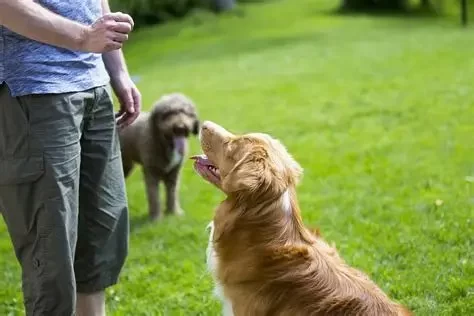
Dog Off-Leash Training: How to Build Reliable Recall
1. Introduction to Off-Leash Training
Off-leash training is one of the most rewarding achievements for both dog owners and their pets. A dog that reliably responds to recall commands, even when off-leash, demonstrates trust, obedience, and strong communication with their owner. However, building reliable recall is not an overnight process. It takes patience, consistency, and proper training techniques. In this article, we will explore the essential steps in off-leash training and how you can teach your dog to come when called, even in distracting environments.

2. Why Reliable Recall is Important
Reliable recall is a fundamental skill that provides safety and control for your dog, especially in public spaces or when exploring off-leash areas. A dog that responds promptly to recall commands can avoid dangerous situations, such as running into traffic or approaching aggressive animals. Additionally, having reliable recall means that you can enjoy more freedom and fun outdoor activities with your dog, like hiking, camping, or playing in a park, without worrying about losing control.

3. Building the Foundation: The Basics of Recall
Before attempting off-leash training, your dog should have a solid understanding of basic commands like “sit,” “stay,” and “come.” Building these foundational skills is crucial for successful off-leash recall. Start practicing in a quiet, controlled environment with minimal distractions, such as your home or backyard. Use positive reinforcement techniques, such as treats, praise, and toys, to reward your dog when they follow the recall command. Gradually increase the level of difficulty by introducing mild distractions.
4. Using Positive Reinforcement to Encourage Recall
Positive reinforcement is key to building a strong recall response. When your dog comes to you, offer an enthusiastic reward. This could be a treat they love, a game of fetch, or even a belly rub. The goal is to make coming when called a positive experience, so your dog associates the action with something enjoyable. Over time, your dog will become more motivated to respond to the recall command, even when off-leash and in the presence of distractions.
5. Gradual Transition to Off-Leash Training
Once your dog reliably responds to recall commands on a leash, it’s time to begin off-leash training. Start by practicing in a securely fenced area, like a dog park or enclosed backyard. Allow your dog some freedom while still keeping them within a safe boundary. Gradually reduce the leash’s length while maintaining control, so your dog begins to associate the recall command with the freedom of off-leash play. Always keep training sessions short and enjoyable, with plenty of rewards and positive feedback.
6. Introducing Distractions
One of the most challenging aspects of off-leash training is teaching your dog to recall amid distractions. Whether it's other dogs, people, or exciting smells, distractions can easily draw your dog’s attention away from you. To counter this, practice recall in progressively more distracting environments. Start with mild distractions, such as a few toys on the ground, and gradually increase the challenge by adding more distractions, like people walking by or other dogs. Always reward your dog generously when they respond to the recall command despite the distractions.
7. Troubleshooting Common Challenges
It’s not uncommon for dog owners to face challenges during off-leash training, especially when their dog doesn’t respond to the recall command as expected. If your dog is ignoring you or running away, don’t punish them. Instead, go back to practicing in a less distracting environment and reinforce the basics. If your dog is consistently ignoring you in certain situations, it may be helpful to work with a professional dog trainer to address the issue. Remember, off-leash training takes time, so patience and persistence are key.
8. Maintaining Consistency and Progress
Consistency is critical to the success of off-leash training. Even once your dog has mastered recall in low-distraction environments, it’s important to continue practicing regularly and in varied locations. Repetition and positive reinforcement will keep your dog’s recall sharp. As your dog improves, you can gradually increase the distance at which you call them and continue to practice in new environments, such as public parks, beaches, or hiking trails.
9. Building a Strong Relationship Through Off-Leash Training
Off-leash training not only improves your dog’s recall but also strengthens your bond with them. Training sessions are an opportunity for you and your dog to communicate, build trust, and enjoy each other’s company. As you work together to achieve reliable recall, your dog will learn to understand your cues better, and you’ll gain greater confidence in your dog’s ability to respond to your commands. This partnership is essential for maintaining safety and enjoying outdoor adventures together.
10. Conclusion: Enjoying the Benefits of Reliable Recall
Achieving reliable recall is one of the most rewarding accomplishments in dog training. It allows your dog to experience the freedom of off-leash activities while ensuring their safety and your peace of mind. With patience, consistency, and positive reinforcement, you can build a strong recall foundation for your dog, and enjoy countless outdoor adventures together. If you're struggling with any aspect of off-leash training, consider reaching out to a professional dog trainer to help guide you through the process.