- 1 - Understanding Pet Emergencies
- 2 - Creating a Pet First Aid Kit
- 3 - Common Pet Injuries and What to Do
- 4 - Handling Poisoning and Toxic Exposure
- 5 - Stabilizing Your Pet Before Visiting the Vet
- 6 - Real-Life Pet First Aid Scenarios
- 7 - Why Consult Hidden Brook Veterinary
1. Understanding Pet Emergencies
Knowing when to act quickly can make all the difference in a pet emergency. Recognizing early warning signs like heavy panting, bleeding, limping, or sudden lethargy can prevent complications. Whether it’s a dog burned by a hot surface or a cat that swallowed something toxic, quick home first aid can stabilize your pet until professional care is available. When considering home first aid for pets, timing and calmness are key—you’re not replacing your vet, but buying precious minutes that can save a life.

2. Creating a Pet First Aid Kit
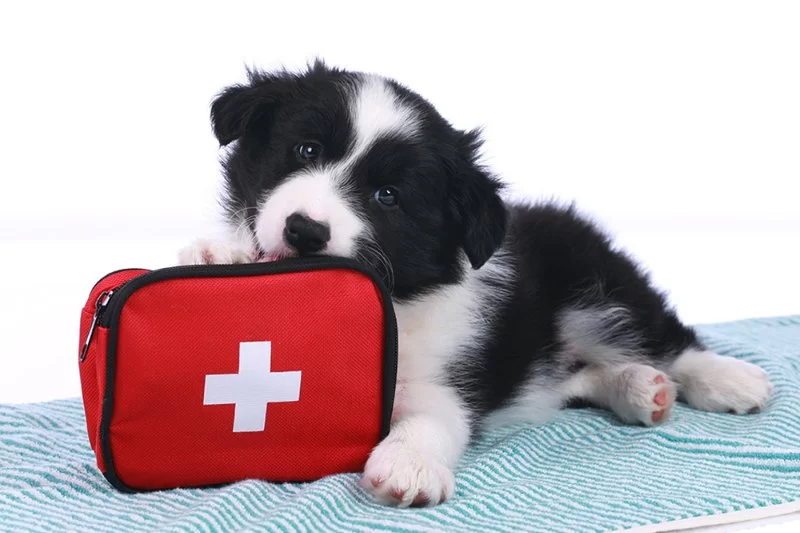
A well-prepared first aid kit is essential for pet owners. You can customize it based on your pet’s breed, size, and health condition. Every kit should include gauze, adhesive tape, digital thermometer, antiseptic wipes, tweezers, a blanket, and emergency contact information for your vet and local emergency clinic.
For pet owners who travel often, keeping a smaller kit in the car is a smart move. At Hidden Brook Veterinary, many pet parents find pre-assembled first aid kits that meet their pet’s needs and come with vet-approved supplies.

3. Common Pet Injuries and What to Do
Bleeding and cuts: Apply gentle pressure using sterile gauze. Avoid using cotton, which may stick to the wound. If bleeding doesn’t slow within ten minutes, it’s time to see a vet. Never use human antiseptics like hydrogen peroxide without professional guidance.
Burns: For mild burns, flush the area with cool (not cold) water for several minutes. Avoid ointments unless directed by your vet. Keep your pet from licking or scratching the area.
Broken bones: Do not attempt to reset the bone yourself. Instead, gently immobilize the injured limb using a towel or soft cloth. Move your pet as little as possible before heading to a clinic.
Choking: Look into your pet’s mouth carefully. If you see an object near the front of the throat, try to remove it with tweezers—but avoid pushing it deeper. If your pet cannot breathe, a modified Heimlich maneuver (gentle compressions on the abdomen) may help in extreme cases.
4. Handling Poisoning and Toxic Exposure
One of the most frightening scenarios in home first aid for pets is poisoning. Household chemicals, human medications, and even certain foods like grapes, onions, and chocolate can cause severe toxicity. If your pet shows symptoms such as drooling, vomiting, tremors, or seizures, act fast.
Immediately remove any remaining toxin and collect packaging or residue for your vet to analyze. Do not induce vomiting unless instructed by a professional. Many cases worsen when owners try to treat poisoning without guidance. Contact your local emergency vet or poison control hotline right away for advice on the next step.
5. Stabilizing Your Pet Before Visiting the Vet
In emergency care, stabilization is everything. For heatstroke, move your pet to a cool area and dampen their paws and belly with a wet towel. For shock (pale gums, rapid heartbeat), keep your pet warm and still. Avoid giving food or water if they’re unconscious or vomiting—it could cause choking.
Document what happened—what your pet ate, the time of injury, and visible symptoms. This helps the vet act faster upon arrival. Remember, your first aid is about keeping things from getting worse until a professional takes over.
6. Real-Life Pet First Aid Scenarios
Take Bella, a Labrador retriever from Minnesota. One winter evening, she cut her paw on ice during a walk. Her owner applied pressure with clean gauze, wrapped it securely, and called the vet immediately. Because of the prompt action, the wound healed quickly with no infection.
In another case, a cat named Milo ingested a small piece of string. His owner resisted the urge to pull it out, which could have caused internal injury. Instead, she contacted her vet for advice—an action that likely saved Milo’s life.
Stories like these highlight the power of calm, informed reactions. They’re a reminder that even simple steps in home first aid for pets can make a life-changing difference.
7. Why Consult Hidden Brook Veterinary
When it comes to pet health emergencies, professional guidance is irreplaceable. At Hidden Brook Veterinary, experts not only provide emergency services but also teach pet owners how to perform safe, effective first aid at home. They can recommend tailored first aid kits, offer teleconsultations for urgent cases, and ensure you’re never alone in handling a crisis.
Whether it’s a cut paw, ingestion issue, or sudden illness, being prepared can save your pet’s life. Use this guide as your foundation, and trust the professionals at Hidden Brook Veterinary for the rest. Because when it comes to your pet’s safety, preparation and partnership go hand in hand.