- 1. Understanding Senior Cat Needs
- 2. Key Nutrients for Senior Cats
- 3. Best Food Options for Older Cats
- 4. Common Dietary Issues in Senior Cats
- 5. Real-Life Story: My Senior Cat’s Dietary Journey
1. Understanding Senior Cat Needs
As a cat owner, one of the most important aspects of ensuring the well-being of my senior cat has been understanding their changing dietary needs. Just like humans, cats experience changes in their metabolism, energy levels, and overall health as they age. I’ve noticed these changes in my own senior cat, and it was crucial for me to adapt their diet accordingly. Senior cats are generally defined as those aged 7 years or older, although some breeds may age more slowly than others.
As cats age, their activity levels may decrease, and their bodies may become less efficient at processing certain nutrients. This means that the food you feed them must be tailored to meet their specific needs, helping to prevent weight gain, maintain muscle mass, and ensure they get the right balance of nutrients to stay healthy and comfortable.
2. Key Nutrients for Senior Cats
When I started researching how to improve my senior cat's diet, I found that certain nutrients are especially important for aging cats. These nutrients help to maintain their health and improve their quality of life. Here are some key nutrients I focus on for my senior cat:

2.1 Protein
Protein is one of the most important nutrients for cats of all ages, but it becomes even more crucial as they get older. My senior cat, like many aging cats, can lose muscle mass as they age, which is why I ensure that their food is rich in high-quality protein. Look for foods that list real meat, poultry, or fish as the first ingredient, and avoid products with fillers like corn or soy.
Additionally, protein supports your cat's immune system, which is vital for their overall health. While older cats may not need as much protein as younger cats, reducing protein intake too much can lead to muscle wasting and weakened immune function.
2.2 Omega-3 Fatty Acids
Omega-3 fatty acids are essential for senior cats, especially to promote joint health and reduce inflammation. I’ve added food with high levels of omega-3, such as those rich in fish oil or flaxseed, to my senior cat’s diet. These fatty acids can help reduce the risk of arthritis and support the brain health of aging cats, potentially even slowing cognitive decline.
In addition, omega-3 fatty acids have been shown to improve the health of the skin and coat, so if your senior cat is experiencing dry, flaky skin or a dull coat, this nutrient could help.
2.3 Fiber
As cats age, they may face digestive issues, such as constipation or irregular bowel movements. Fiber helps to regulate the digestive system, which is something I noticed became more important for my senior cat as they got older. Fiber can also help manage their weight, as it makes them feel fuller longer, preventing overeating.
Look for foods that contain fiber-rich ingredients like pumpkin, sweet potatoes, or peas. These not only aid in digestion but also support your cat’s overall health.
3. Best Food Options for Older Cats
Now that I understood the key nutrients my senior cat needed, I turned my attention to the types of food that would provide the best nutrition. I discovered several options that were specially formulated for older cats:
3.1 Dry Food
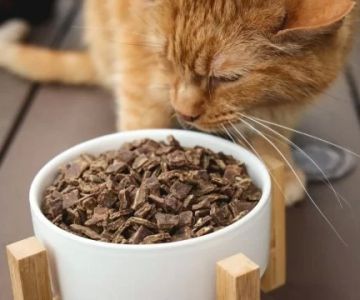
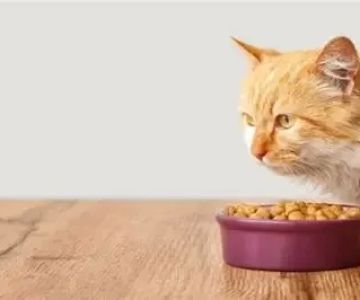
Dry food is convenient and often less expensive, but it’s important to choose the right type for a senior cat. I recommend looking for dry food that’s high in protein and low in carbohydrates, as older cats tend to have less active metabolisms. Additionally, some dry foods are designed with added fiber for better digestion and weight management.
While dry food is an option, I make sure my senior cat always has access to fresh water to help prevent dehydration, which can be a risk with dry food diets.
3.2 Wet Food
Wet food is an excellent option for senior cats, especially if they have a reduced appetite or are prone to urinary tract issues. Wet food is higher in moisture, which helps to keep your cat hydrated. I switched my senior cat to a wet food diet because it also helps with their digestion and makes it easier to manage weight.
Look for high-quality wet foods that focus on protein and healthy fats. Many premium brands also include the necessary vitamins and minerals that support senior cat health, such as taurine, which is essential for heart and eye health.
3.3 Specialized Diets
Many companies offer specialized diets specifically designed for senior cats, addressing specific health concerns such as kidney disease, obesity, or arthritis. I opted for a food specifically designed for older cats, which has lower phosphorus levels to protect kidney health, a common issue in aging felines. If your senior cat has specific health problems, I recommend speaking with your vet to select the best food tailored to their needs.
4. Common Dietary Issues in Senior Cats
As cats age, they can experience a variety of dietary issues. I’ve faced a few of these with my own senior cat, and it’s important to address them early to prevent further health complications.
4.1 Dental Health
Dental disease is common in senior cats, and it can affect their ability to chew and eat properly. To help my cat, I provide food with a soft texture and even offer treats that are formulated to promote dental health. Regular dental checkups are also crucial to prevent or address any oral health issues.
4.2 Obesity
Obesity is a common problem for older cats, especially if they have become less active. I monitor my cat’s weight carefully and ensure they’re not overeating by offering controlled portions. Some senior cat foods are designed to manage weight, with lower calories and increased fiber.
5. Real-Life Story: My Senior Cat’s Dietary Journey
My own senior cat had a rough start when I first transitioned them to a senior-specific diet. At first, they were reluctant to eat the new food, but I gradually mixed it with their regular food to help with the transition. After a few weeks, I noticed they were more energetic and their coat looked shinier. Over time, they became more accustomed to the new diet, and I could see that it made a huge difference in their overall health.
Taking the time to select the best diet and addressing any health concerns made the aging process much easier for my senior cat. They’re happier and healthier now, and it’s all thanks to the right nutrition.
If you're unsure about what to feed your senior cat, it’s always a good idea to consult your vet for personalized recommendations. For a great selection of pet food and professional advice, check out Hidden Brook Veterinary for help finding the best products for your senior cat’s needs.