- Understanding Obesity in Pets
- Identifying the Signs of Obesity
- Setting Up an Effective Diet Plan
- Incorporating Physical Activity Into Their Routine
- Consulting with Veterinarians
Understanding Obesity in Pets
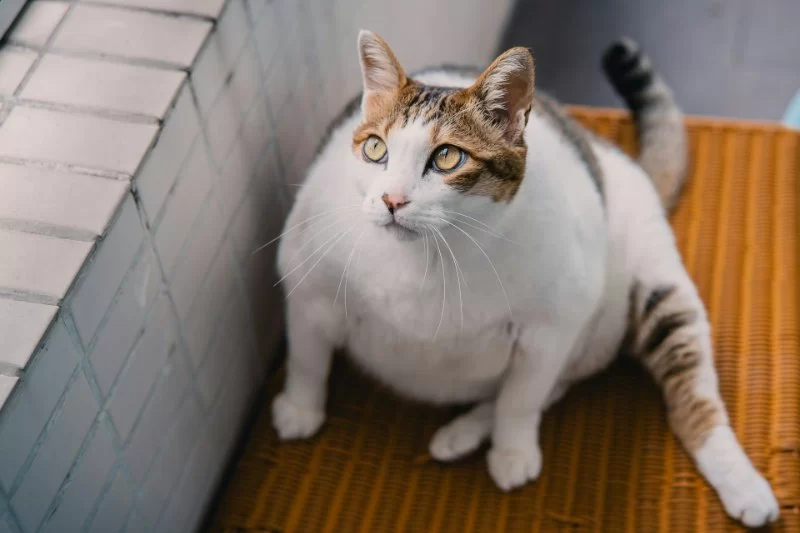
Obesity in pets is becoming an increasingly common issue that owners must address. As a pet owner myself, I understand the struggles of watching our furry companions gain weight and become less active. Pets are often affected by the same environmental factors that impact us, such as lack of exercise, poor diet, and genetic predispositions. It’s important to realize that obesity isn’t just about appearance; it’s about health. Overweight pets face a higher risk of developing chronic conditions such as diabetes, arthritis, and heart disease. That’s why it’s so crucial to monitor their weight and take proactive steps to help them maintain a healthy body.
Identifying the Signs of Obesity
One of the first steps in managing obesity in pets is recognizing the signs. Unlike humans, pets can’t always tell us when they’re feeling sluggish or uncomfortable. However, there are some clear indicators that a pet may be overweight. If you notice that your pet is having trouble with physical activity, such as becoming winded easily or refusing to play, it’s a sign that something might be wrong. You might also notice that their ribcage is harder to feel or that their belly is sagging. While these signs may seem subtle, they should serve as a red flag that it’s time to take action.
Additionally, if your pet seems to be eating excessively but not losing weight, it could be due to a variety of factors, including medical issues or poor diet. Identifying these early signs can help you intervene sooner and prevent further health complications.
Setting Up an Effective Diet Plan
Once you’ve identified that your pet may be obese, the next step is to develop an appropriate diet plan. It's tempting to cut back on meals drastically, but it’s important to approach this with caution. A well-balanced diet that meets all of your pet's nutritional needs is essential. I once had a dog named Max who gained weight due to a lack of portion control and an inconsistent feeding schedule. After consulting with our veterinarian, we created a diet plan that was tailored to his age, weight, and activity level.
Pet food brands often have special formulas designed for weight management, so it’s worth investing in these options. You should also measure your pet’s food to avoid overfeeding. Dividing their daily intake into smaller meals throughout the day can also help with digestion and prevent hunger-induced snacking.
Additionally, avoid giving your pet table scraps or excessive treats. These calorie-rich options can contribute significantly to weight gain. I learned that giving Max vegetables like carrots or green beans as snacks helped to keep him satisfied without the extra calories.
Incorporating Physical Activity Into Their Routine
Exercise is just as important as diet when it comes to managing obesity in pets. A sedentary lifestyle contributes greatly to weight gain, and without regular physical activity, it’s hard for pets to burn off excess calories. I’ve seen firsthand how increasing exercise can help a pet shed pounds and feel more energetic. Max, who had been sluggish and overweight, became much more active after we started taking daily walks and playing fetch in the backyard.
The key is to start slow and gradually increase the intensity and duration of exercise. For older or severely overweight pets, short walks or low-impact activities are ideal. For younger, more active pets, interactive play sessions or even agility training can help them burn off extra calories while having fun. It’s important to monitor their progress and adjust the routine accordingly to avoid over-exertion.
Consulting with Veterinarians
Finally, always consult with your veterinarian before implementing any significant changes to your pet’s diet or exercise routine. A professional can assess your pet’s individual needs and offer tailored advice. My veterinarian helped me determine the right calorie intake for Max based on his breed, age, and size. They also recommended certain supplements to support joint health, which was especially important as he lost weight.
Sometimes, there are underlying health issues that contribute to obesity, such as thyroid problems or metabolic disorders. If you suspect there’s more to your pet’s weight gain than just a poor diet, scheduling a vet appointment for a thorough check-up is a good idea. Early intervention can help prevent more severe health problems down the line.
In my experience, managing obesity in pets requires patience, consistency, and a commitment to their overall well-being. With the right diet, exercise, and veterinary guidance, your pet can enjoy a healthier, more active life.