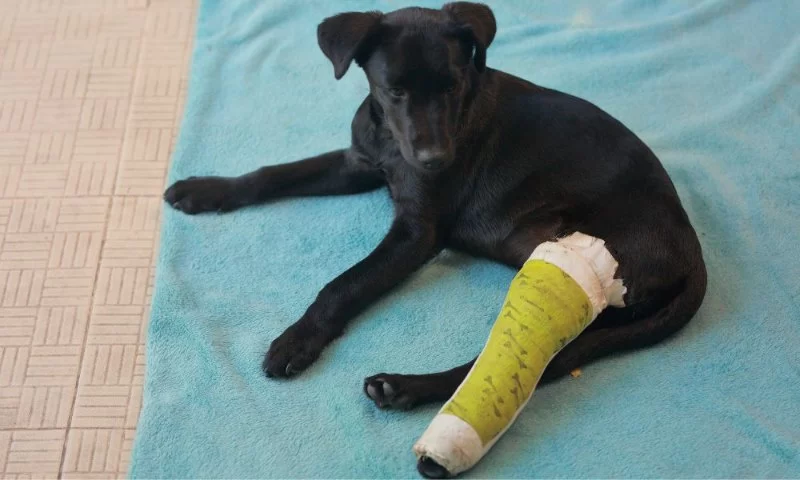
How to Tell If Your Pet Has a Broken Bone
- 1. Recognizing the Signs of a Broken Bone
- 2. Common Causes of Broken Bones in Pets
- 3. What to Do Immediately If You Suspect a Broken Bone
- 4. A Real-Life Case: My Experience with My Pet’s Injury
- 5. Consulting Your Veterinarian for Proper Diagnosis
1. Recognizing the Signs of a Broken Bone
Pets, especially dogs and cats, are active creatures, and sometimes they suffer from accidents or injuries that can lead to broken bones. As a pet owner, knowing the signs of a broken bone can help you act quickly and ensure your pet receives the care they need. I remember the first time I noticed my dog limping and couldn’t figure out what was wrong. It’s important to know that some signs are clear indicators that something is seriously wrong.

1.1 Visible Lameness and Limping
One of the most obvious signs of a broken bone is lameness or limping. If your pet is limping, favoring one leg, or refusing to put weight on a limb, a bone fracture could be the cause. I once witnessed my dog struggling to walk after playing in the yard, and the limp became more pronounced as the day went on. When a bone is broken, the limb is often unstable, and your pet will instinctively try to avoid using it.

1.2 Swelling and Deformities
If there’s swelling around the affected area, it could be a sign of a fracture. Swelling usually occurs right after an injury, and in some cases, it’s accompanied by visible deformities, such as a twisted or bent limb. I recall seeing a large swelling around my dog’s front leg after she jumped off the couch. The bone underneath was clearly misaligned, and this was a telltale sign that something was broken.
1.3 Pain and Sensitivity
Another indicator of a broken bone is increased sensitivity and pain. When you gently touch the injured area, your pet may whine, yelp, or pull away due to the discomfort. Be mindful of how your pet behaves when their injury is touched. If they react strongly or show signs of distress, it could suggest a fracture.
2. Common Causes of Broken Bones in Pets
Pets, particularly active ones, can suffer from broken bones due to various causes. Understanding what can lead to fractures will help you identify risks and prevent injuries. Here are some of the most common causes:
2.1 Accidental Falls
One of the leading causes of broken bones in pets is accidental falls. Dogs and cats often leap from high places, like furniture or stairs, which can result in fractures. My friend’s cat once jumped from a high shelf and landed awkwardly, resulting in a broken leg. Fortunately, the injury was treated promptly, but accidents like these are common.
2.2 Car Accidents
Pets that are allowed to roam outside unsupervised are at risk of getting hit by cars. These accidents can cause severe fractures, often requiring immediate veterinary care. This is a stark reminder of why it’s crucial to keep your pets on a leash when outdoors.
2.3 Playing Rough
Dogs, especially puppies and younger dogs, love to play rough. During playtime, they may collide with objects or other pets, leading to fractures. I’ve seen pets get injured while playing fetch or wrestling with other dogs. It’s important to supervise your pet during such activities to prevent injuries.
2.4 Osteoporosis and Health Conditions
In some cases, older pets or those with certain health conditions like osteoporosis may be more susceptible to bone fractures. Bone weakness can make them prone to breaks even from mild trauma. If your pet has a history of health issues, it’s essential to monitor their physical activity and avoid risky situations.
3. What to Do Immediately If You Suspect a Broken Bone
If you suspect that your pet has broken a bone, it’s important to act quickly. Here’s what you should do to ensure your pet gets the appropriate care:
3.1 Stay Calm and Assess the Situation
First, stay calm and try to assess the situation. Avoid panicking, as your pet may sense your distress and become more anxious. Carefully examine the injured area for visible signs like swelling or deformities. If you can, take a photo of the injury to show your vet later.
3.2 Keep Your Pet Calm and Still
It’s important to keep your pet calm and still to avoid further injury. If possible, gently support the injured limb and prevent your pet from walking on it. Try to limit their movement by confining them to a crate or a small area of the house until you can get them to the vet.
3.3 Seek Immediate Veterinary Care
Get your pet to a veterinarian as soon as possible. A professional diagnosis is necessary to determine the extent of the injury and to begin treatment. Don’t attempt to treat the fracture yourself. Veterinary intervention is crucial to ensure proper healing and to avoid complications.
4. A Real-Life Case: My Experience with My Pet’s Injury
One of my most memorable experiences with a broken bone occurred when my dog, Max, jumped off the couch and landed awkwardly on his front leg. He started limping immediately, and I could see that something was wrong. I stayed calm, checked for signs of swelling, and immediately took him to the vet. The vet confirmed that Max had a fractured bone in his leg. Fortunately, with prompt care and treatment, Max recovered fully.
5. Consulting Your Veterinarian for Proper Diagnosis
If you think your pet has a broken bone, always consult your veterinarian. They have the expertise and tools to properly assess your pet’s injury. X-rays and physical exams will help determine the severity of the fracture and the best course of action for treatment.
If you’re looking for trustworthy veterinary services, I recommend visiting Hidden Brook Veterinary, where experienced professionals can assist you in diagnosing and treating your pet’s injury effectively.