The Best Ways to Feed Senior Dogs for Optimal Health
As a dog owner, one of the most important aspects of ensuring a long, healthy life for my senior dog has been understanding how to adjust their diet as they age. Just like humans, as dogs get older, their nutritional needs change. Over the years, I’ve learned that feeding senior dogs the right kind of food is essential to maintaining their health, energy levels, and overall well-being. In this article, I’ll share some practical tips and advice on the best ways to feed senior dogs, drawn from both personal experience and expert recommendations.

Understanding Senior Dog Nutrition Needs
As dogs age, their metabolism slows down, and their activity levels may decrease. Senior dogs also experience physical changes, such as joint stiffness, reduced muscle mass, and dental issues, which all influence their dietary requirements. After discussing with my vet, I learned that a balanced diet tailored to my dog’s age is crucial to maintaining their health. Here are some key factors that affect a senior dog's nutrition:
1. Caloric Requirements
As my dog got older, I noticed that they weren’t as active as they used to be. This change in activity level means that their caloric intake should be adjusted to avoid obesity. Senior dogs often require fewer calories than younger dogs, as they burn less energy. However, it’s important to ensure that their food is still nutrient-dense to meet their needs without overfeeding them.
2. Protein for Muscle Maintenance
One of the most important nutrients for senior dogs is protein. Protein helps maintain muscle mass, which can decline as dogs age. My vet recommended high-quality protein sources like chicken, turkey, and fish for my dog. I also looked for foods that contain a moderate amount of protein to prevent excessive weight gain, as too much protein can strain the kidneys in older dogs.
3. Joint Health Support
Joint health becomes a major concern for many senior dogs, especially as they age and experience arthritis or hip dysplasia. I added foods with added glucosamine and chondroitin to my dog’s diet to help support joint health. Many senior dog foods now contain these ingredients, which help reduce inflammation and improve mobility.
4. Digestibility
As dogs age, their digestive systems may become less efficient. I’ve found that foods with easily digestible ingredients like brown rice or sweet potatoes are gentler on my senior dog’s stomach. Avoiding foods that contain too much filler, like corn or soy, is essential to ensure my dog gets the most out of every meal.
5. Dental Health
Dental health is another concern for senior dogs, especially since they can develop gum disease or lose teeth as they age. I’ve chosen food with crunchy kibble that helps clean my dog’s teeth, and I make sure to regularly brush their teeth to prevent plaque buildup. Some senior dog foods also include added nutrients to support dental health, like calcium and vitamin D.
Best Types of Food for Senior Dogs
There are several types of dog food available that are specifically formulated for senior dogs. Based on my experience, I’ve learned that the best food for senior dogs depends on their individual health needs. Here are the top food options to consider:
1. Wet Food
Wet food is a great option for senior dogs, especially if they have dental issues or difficulty chewing dry kibble. I’ve found that wet food is easier for my dog to chew and digest, and it can also help keep them hydrated. However, it’s important to ensure that the wet food is nutritionally balanced and contains high-quality ingredients. I prefer to select options that are low in fat but high in protein and essential nutrients.
2. Dry Kibble
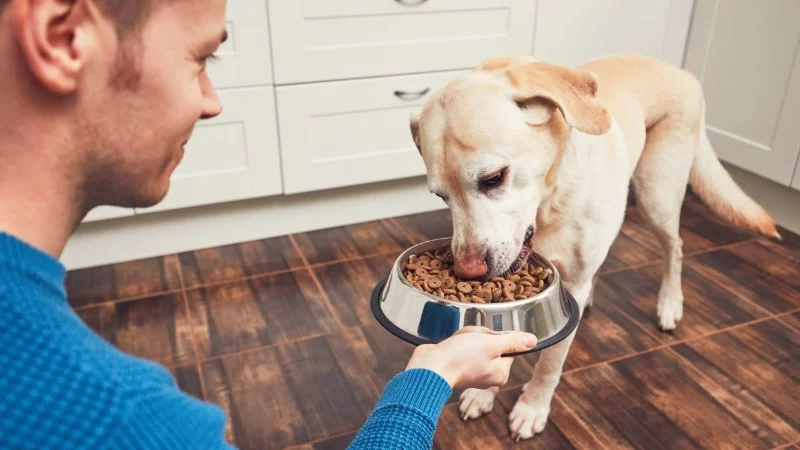
Dry kibble is the most common and convenient type of food for dogs. For senior dogs, I recommend looking for kibble that is formulated specifically for older pets, as it will have the right balance of nutrients. I chose a kibble that included ingredients for joint support and digestion while keeping the calories moderate to prevent weight gain.
3. Home-Cooked Meals
Another option that I’ve tried is preparing home-cooked meals for my senior dog. This allows me to have complete control over the ingredients and ensure they’re eating fresh, high-quality food. I prepare simple meals using lean proteins like chicken or turkey, along with vegetables like carrots, peas, and spinach. I also add some brown rice for fiber. Home-cooked meals can be a great option if you have the time and knowledge to prepare balanced meals for your dog.
4. Raw Diet (BARF Diet)
Some dog owners swear by the raw food diet, also known as the Biologically Appropriate Raw Food (BARF) diet. This diet includes raw meat, bones, and vegetables. While it’s been shown to provide benefits such as improved coat quality and energy levels, I recommend consulting a vet before starting this diet for senior dogs. It’s essential to ensure that the diet is well-balanced and safe for older dogs, especially if they have health issues like kidney disease.
Feeding Schedule and Portion Control
Establishing a feeding schedule and controlling portions is important for senior dogs to maintain a healthy weight and avoid overfeeding. I’ve learned that sticking to a routine, feeding my dog at the same times each day, helps regulate their metabolism. Here are some guidelines I follow for portion control:
1. Follow the Packaging Guidelines
Dog food packaging typically provides guidelines for portion sizes based on the dog’s weight. I’ve found these guidelines helpful, but it’s important to adjust portions based on my dog’s activity level and weight. Since my dog has become less active with age, I reduce the portion size accordingly to prevent unnecessary weight gain.
2. Use Measuring Cups
To avoid overfeeding or underfeeding, I always use measuring cups to portion out my dog’s food. This ensures that I’m giving them the right amount each time. It’s easy to eyeball the portions, but measuring ensures consistency and accuracy, especially for senior dogs who may have more sensitive nutritional needs.
3. Monitor Weight and Health
Regularly weighing my dog and observing any changes in their appearance or behavior is crucial. If I notice my dog is gaining or losing weight, I adjust their food portions or consult the vet for advice. A healthy weight is key to ensuring that my dog lives a long and active life in their senior years.
Real-Life Experience: My Senior Dog's Journey
When my dog, Max, reached his senior years, I noticed that he wasn’t as interested in his food, and he seemed more lethargic. After consulting with my vet, we decided to adjust his diet by switching to a senior dog food formula with more protein and joint support. The change was remarkable. Max regained his energy, and his coat became shinier. By adjusting his portions and feeding him twice a day, I was able to keep him at a healthy weight and ensure he felt his best.