- Signs Your Pet Is Overheating
- What Causes Pets to Overheat?
- How to Keep Your Pet Cool in Hot Weather
- What to Do If Your Pet Is Overheating
Signs Your Pet Is Overheating
As summer temperatures soar, one of the most important things to watch out for as a pet owner is the possibility of your furry friend overheating. I’ve been in situations where I didn’t realize my dog was overheating until it was too late, which is why I want to share my personal experience and the signs I now look for. Overheating can be dangerous, and knowing how to recognize the symptoms early on is key to keeping your pet safe.
Pets, especially dogs and cats, can’t regulate their body temperature as effectively as humans. If you’re outside on a hot day, be on the lookout for signs that your pet may be getting too hot. Here are some common symptoms I’ve personally encountered with my pets:
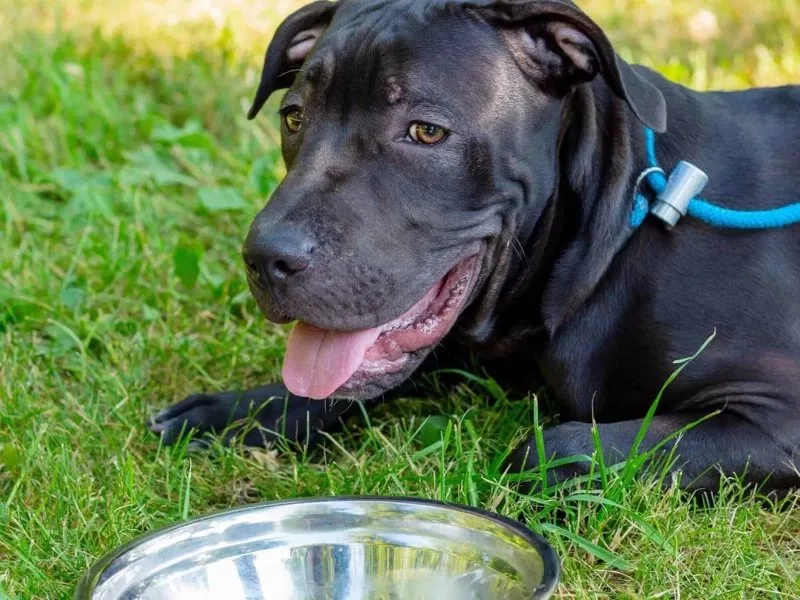
1. Excessive Panting and Drooling: If your pet is panting heavily and drooling more than usual, it’s one of the first signs that they may be overheating. I remember when my dog, Max, was panting heavily after a short walk on a warm day. His tongue was hanging out, and I noticed he was drooling excessively, which worried me. Heavy panting is your pet’s way of trying to cool down, but it can become ineffective if the temperature continues to rise.
2. Restlessness and Anxiety: When pets are uncomfortable due to heat, they often become restless. I’ve seen this in my cat, who usually loves to lounge around, but when the temperature rises, she starts pacing, looking for cooler spots. She also begins to act anxious, which is a sure sign she’s too warm.
3. Lethargy or Weakness: If your pet starts to act unusually tired or weak, it could be due to the heat. Pets that are overheating often show signs of fatigue and may not want to move or play. I noticed my dog, Max, becoming lethargic during an unusually hot summer afternoon. He lay down in the shade and barely moved, which was unusual for him.
What Causes Pets to Overheat?
Overheating in pets can occur for several reasons, some of which are more preventable than others. From my experience, I’ve learned that the following factors contribute most commonly to pets overheating:
1. Hot and Humid Weather: One of the most obvious causes of overheating is simply the outside temperature. Pets are especially vulnerable during hot and humid days when the air feels thick, and they can’t cool down properly. I remember during one particularly humid summer, my dog was panting heavily despite only being outside for a short period. Humidity can prevent the sweat from evaporating and cooling the body, which increases the chances of heat exhaustion.
2. Physical Activity in the Heat: Exercise is important for pets, but too much activity in hot weather can lead to overheating. I’ve had to cut short several of my dog’s play sessions in the park after noticing he was struggling to keep up. The combination of physical exertion and high temperatures can cause rapid overheating, especially in brachycephalic breeds (like Bulldogs and Pugs), which are more prone to heat stress.
3. Poor Ventilation: If your pet is left in a poorly ventilated area—such as a closed car or a small room without airflow—heat can build up quickly. On one occasion, I accidentally left the windows of my car up after parking, and within minutes, it felt like an oven inside. Even a few minutes in that situation can be harmful to your pet’s health.
How to Keep Your Pet Cool in Hot Weather
Keeping your pet cool in hot weather is not only essential for their comfort, but it’s also crucial for their health and safety. I’ve found that by taking a few simple steps, you can keep your furry friend happy and cool during the summer months.
1. Provide Fresh Water at All Times: Dehydration can exacerbate the effects of heat, so it’s vital to keep fresh water available for your pet at all times. I always make sure that Max has access to water when we go for walks or on car rides. It’s an easy and effective way to keep him cool and hydrated.
2. Avoid Walking During Peak Heat: On hot days, the pavement can become too hot for your pet’s paws. I’ve learned the hard way that taking my dog out for a walk during the hottest part of the day can lead to overheating. I now schedule walks in the early morning or later in the evening when the sun isn’t as intense. I also avoid pavement walks altogether when it’s extremely hot outside.
3. Provide a Cool Spot Indoors: My pets love to relax in the coolest parts of the house, so I make sure they have access to a fan or air conditioner during hot days. One tip I’ve learned is to place a cool, damp towel in their resting area to help them cool down. You can also provide a pet-friendly cooling mat, which has been a great help during heatwaves.
4. Trim Excess Fur: For pets with long or thick fur, I recommend keeping their coats trimmed during the summer months. While I don’t shave my dog completely, I do trim his fur to help reduce the amount of heat he traps. Always consult a veterinarian for advice on how much trimming is appropriate for your pet’s breed and coat type.
What to Do If Your Pet Is Overheating
If you suspect your pet is overheating, it’s important to act quickly to prevent heatstroke, which can be fatal if not treated promptly. I’ve been in situations where I had to cool down my dog quickly, and I’ve learned a few tricks that I now use in emergencies:
1. Move Them to a Cooler Area: The first thing I do is move my pet into a cooler, shaded area—preferably with air conditioning or a fan. If you’re outside, find a shaded spot or take your pet indoors immediately.
2. Offer Water: Hydration is key, so I always offer my pet fresh water. If your pet is too hot to drink, try using a syringe or small cup to carefully give them a few sips. It’s important not to force them to drink too quickly.
3. Apply Cool, Damp Cloths: I often dampen a cloth with cool water and place it on my pet’s neck, armpits, and paws to help cool them down. Avoid using ice-cold water, as it can cause shock. Instead, use lukewarm water to gradually lower their body temperature.
4. Seek Veterinary Help: If your pet’s condition doesn’t improve after cooling them down or if they show signs of heatstroke (such as vomiting, diarrhea, or loss of consciousness), it’s crucial to get them to a veterinarian immediately. I always recommend reaching out to a professional if you’re unsure of the severity of your pet’s condition.
If you're ever in doubt or need advice about your pet’s health, don't hesitate to visit【Hidden Brook Veterinary】for expert advice and care.