1. Why Cats Stop Eating
As a cat owner, it can be alarming when your feline friend refuses to eat. Cats are known for being finicky eaters, but a sudden loss of appetite could be a sign of something more serious. There are many reasons why a cat might stop eating, and it's important to address the issue promptly to ensure your cat's health and well-being.

16101 W Dixie Hwy, North Miami Beach, FL 33160, USA
See Details1.1 Health Issues
One of the primary reasons cats refuse food is due to underlying health problems. Common medical issues include dental pain, gastrointestinal upset, kidney disease, or infections. If your cat has suddenly stopped eating, it's important to rule out these potential causes. A visit to the vet can help determine whether a health issue is to blame.

1.2 Stress and Anxiety
Stress and anxiety can also contribute to a loss of appetite in cats. Changes in the household, such as a new pet, moving, or even a change in routine, can cause stress and lead to a temporary decrease in food intake. Cats are creatures of habit, and even small changes can upset their comfort zone.
1.3 Picky Eating
Some cats are simply picky eaters, and they may refuse food if they don't like the taste, texture, or brand of food offered. If your cat has always been a little selective about what they eat, it’s important to try different food options to see what they prefer.
2. What to Do If Your Cat Won’t Eat
If your cat has stopped eating, there are several steps you can take to encourage them to eat again. It's essential to be patient and observant during this time, as a cat's health can deteriorate quickly if they stop eating for too long.
2.1 Visit the Veterinarian
The first step is to take your cat to the vet for a thorough check-up. Your vet can diagnose any underlying medical conditions that might be contributing to the loss of appetite. Early intervention can prevent serious complications, so don't wait too long to schedule a visit.
2.2 Offer Warm or Wet Food
Sometimes, a cat might not feel like eating dry food, but wet food or heated meals may entice them. Cats' noses are highly sensitive, so warming up their food can release more aroma, making it more appealing. Additionally, wet food can be more palatable and easier to consume for cats with dental issues.
2.3 Try Different Flavors or Brands
If your cat is being particularly picky, trying a different flavor or brand of food may help. Cats may turn their noses up at a particular type of food, so switching things up could spark their interest. You can experiment with different proteins like chicken, turkey, or fish, as well as various textures like pate, shredded, or chunks in gravy.
2.4 Keep Stress to a Minimum
If stress is the cause of your cat’s eating issues, it's essential to reduce environmental stressors. Try to keep your cat’s environment calm and consistent. This may involve separating them from other pets, ensuring a quiet space, or maintaining a predictable routine.
2.5 Hand-Feeding or Treats
If your cat is refusing to eat, you may need to try hand-feeding them or offering treats. Gently placing a small amount of food on your finger or a spoon can sometimes encourage your cat to take a bite. Treats can also be a great way to entice your cat to start eating again, especially if they’re not feeling too enthusiastic about regular meals.
3. How to Encourage Your Cat to Eat Again
Once you’ve addressed any potential health issues and ruled out major concerns, it’s time to focus on encouraging your cat to eat again. Here are a few additional tips to consider:
3.1 Establish a Feeding Routine
Cats thrive on routine, so establishing a regular feeding schedule is important. Offering food at the same time each day can help create consistency and encourage your cat to eat. Cats are more likely to eat when they know when to expect their meals.
3.2 Make Mealtime More Appealing
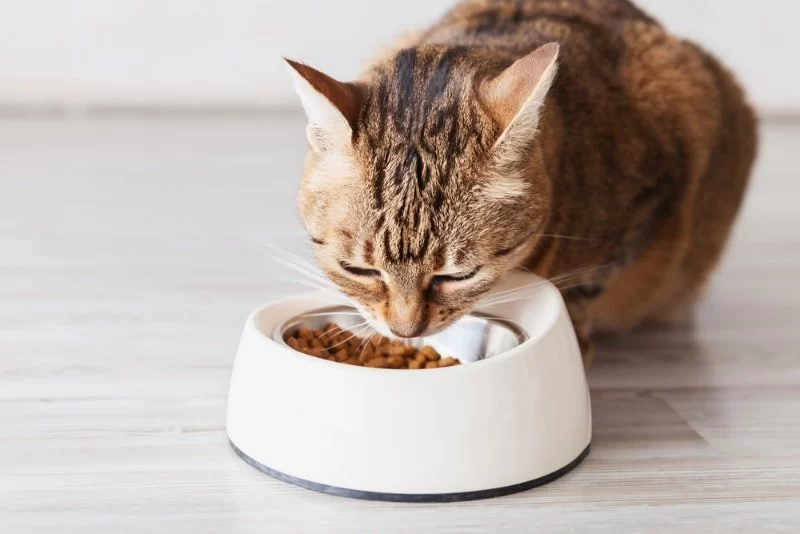
To make mealtime more enjoyable, try using different feeding dishes or even puzzle feeders to stimulate their curiosity. Some cats prefer to eat from certain types of bowls, such as wide, shallow dishes, which reduce whisker fatigue. Experimenting with different mealtime setups can make eating more appealing for your cat.
3.3 Provide Plenty of Fresh Water
In addition to food, it’s essential that your cat has access to fresh, clean water at all times. Dehydration can exacerbate eating problems, so ensure your cat’s water bowl is always full and easily accessible. You can even consider a pet water fountain, as the flowing water may encourage your cat to drink more.
3.4 Monitor Your Cat’s Weight
If your cat isn’t eating regularly, keep an eye on their weight. Sudden weight loss is a red flag, and it’s important to address this issue quickly. If your cat continues to refuse food for more than a day or two, it's essential to contact your vet for further advice.
In conclusion, a cat refusing to eat can be a cause for concern, but with the right approach, most cats can be encouraged to eat again. By addressing potential health issues, providing the right food, and reducing stress, you can help your cat return to their healthy eating habits. If you're unsure about your cat’s situation, always consult a veterinarian to ensure they get the care they need.