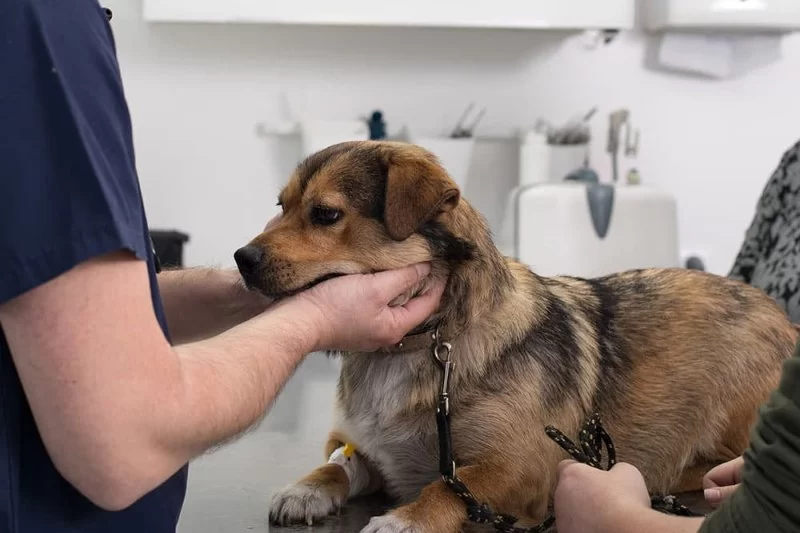
Signs Your Pet Needs Immediate Veterinary Care – Key Indicators and Urgent Actions
Pets bring joy and companionship to our lives, but just like humans, they can experience health problems that require immediate attention. As a pet owner, it's crucial to recognize the signs that your pet may need urgent veterinary care. In this article, we’ll go over the key indicators of pet health emergencies and explain when it’s time to get your furry friend to the vet as quickly as possible. Whether you’re a new pet owner or have had pets for years, knowing how to spot the signs of distress can save your pet's life.
- Common Signs Your Pet Needs Emergency Care
- When to Visit the Vet for Immediate Care
- What to Do in Pet Emergencies
- Real-Life Experiences with Pet Emergencies
Common Signs Your Pet Needs Emergency Care
Pets can’t tell us when they’re in pain, which makes it challenging to know when they need urgent care. However, there are several signs that can indicate a medical emergency, and recognizing them early is crucial. Here are the most common signs that your pet may require immediate veterinary attention:

1. Difficulty Breathing
If your pet is struggling to breathe, has rapid or labored breathing, or is showing signs of distress such as panting excessively or coughing, it could indicate a serious health issue such as respiratory distress, heart problems, or choking. Difficulty breathing requires immediate veterinary attention, as it can be life-threatening.

2. Excessive Vomiting or Diarrhea
While occasional vomiting or diarrhea may not always be a cause for concern, if your pet experiences excessive vomiting or diarrhea, especially if accompanied by lethargy, dehydration, or a loss of appetite, it may indicate a more serious condition, such as poisoning, infection, or gastrointestinal issues.
3. Seizures
Seizures in pets are a clear sign of a medical emergency. If your pet experiences a seizure, it's important to remain calm and avoid touching your pet. Call your vet immediately. Seizures can be caused by a variety of issues, including epilepsy, poisoning, or brain injuries, and should always be addressed by a veterinarian.
4. Uncontrolled Bleeding
If your pet is bleeding excessively and you cannot control the bleeding with direct pressure, this is a medical emergency. Whether from an injury or an internal issue, uncontrolled bleeding can be life-threatening, and your pet should be seen by a vet immediately.
5. Sudden Limping or Inability to Walk
While pets sometimes limp due to minor injuries, if your pet suddenly refuses to walk, shows signs of pain when moving, or cannot bear weight on their legs, it may indicate a serious issue such as a fracture, dislocation, or internal injury. Immediate evaluation by a veterinarian is necessary to prevent further damage.
When to Visit the Vet for Immediate Care
Knowing when to take your pet to the vet can sometimes be challenging, especially when symptoms seem to vary in severity. However, certain conditions always warrant an immediate visit to the veterinary clinic. Here's when you should not wait:
1. Life-Threatening Symptoms
If your pet exhibits any of the life-threatening symptoms mentioned above, such as severe difficulty breathing, uncontrolled bleeding, or seizures, you should take them to the vet immediately. These conditions require prompt medical intervention to prevent serious harm or death.
2. Changes in Behavior or Alertness
Any sudden changes in your pet's behavior or alertness should be taken seriously. If your pet is unusually lethargic, unresponsive, or behaving abnormally, it could indicate an underlying medical issue such as poisoning, neurological problems, or an infection. When in doubt, always consult your veterinarian.
3. Serious Injuries
If your pet has suffered a serious injury, such as being hit by a car, falling from a height, or having an animal attack, it’s crucial to get them to the vet as soon as possible. Even if the injury seems minor, internal injuries or fractures may not be immediately visible, and prompt care can prevent complications.
What to Do in Pet Emergencies
In an emergency, it’s important to stay calm and act quickly. Here are some key steps you can take to help your pet before you get them to the vet:
1. Call Your Vet
If you suspect your pet needs urgent care, call your vet immediately. Many veterinary clinics have emergency hotlines or after-hours services that can provide guidance on what to do. Let them know the symptoms your pet is exhibiting so they can prepare for your arrival.
2. Provide Basic First Aid
If appropriate and you know how, provide basic first aid to your pet. For example, if your pet is bleeding, apply pressure to the wound with a clean cloth. If your pet is choking, carefully try to remove the obstruction. Always prioritize getting your pet to the vet as soon as possible for proper care.
3. Transport Safely
When transporting your pet to the vet, try to keep them as comfortable as possible. If your pet is unconscious or unable to walk, carry them carefully in a blanket or pet stretcher. If they are in pain, avoid unnecessary movement and transport them gently to minimize further injury.
Real-Life Experiences with Pet Emergencies
In a recent case, a dog owner noticed their pet suddenly vomiting multiple times and becoming lethargic. After a quick call to their vet, they were advised to bring the dog in immediately. The vet discovered that the dog had ingested something toxic while out for a walk. Thanks to quick action and immediate care, the dog fully recovered after a brief stay at the veterinary clinic.
In another instance, a cat was brought into the clinic after being hit by a car. The owner acted quickly by calling their vet and rushing their cat to the clinic, where it was found that the cat had sustained multiple fractures. With prompt medical attention and surgery, the cat made a full recovery and is now back to enjoying their life.
Knowing when to seek urgent veterinary care can be the difference between life and death for your pet. Always trust your instincts—if you believe your pet is in distress, don’t hesitate to call your vet. For more information on how to handle pet emergencies or to find the best veterinary care for your pet, visit Hidden Brook Veterinary for expert advice and services.