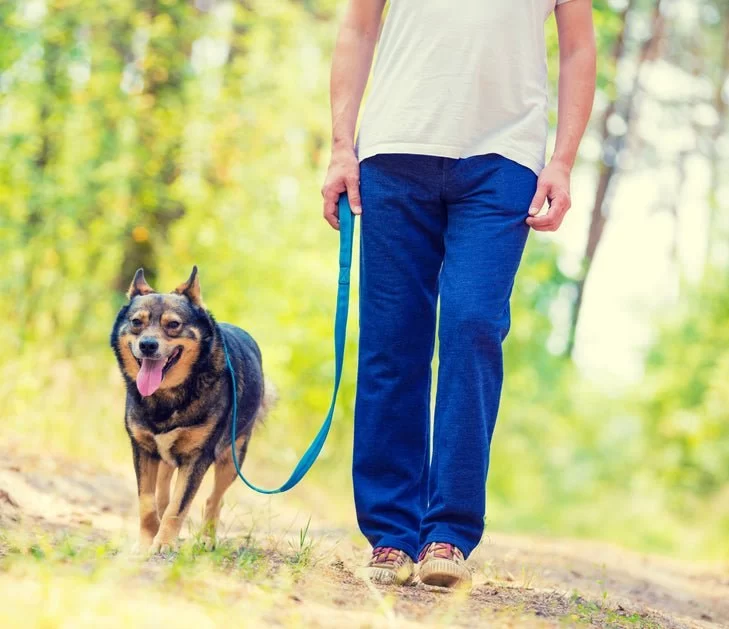
Mastering Leash Training: How to Train Your Dog to Walk Nicely
As a dog owner, one of the most important skills you can teach your dog is how to walk on a leash without pulling or causing stress. For me, walking my dog used to be a challenge—he would pull on the leash, darting in every direction and making our walks less enjoyable. But over time, I learned that with patience, consistency, and the right techniques, you can teach your dog to walk nicely on a leash, making walks a more pleasant experience for both of you.
In this article, I’ll share the tips and strategies that worked for me in training my dog to walk calmly on a leash. Whether you're a first-time dog owner or just looking to improve your dog's walking behavior, this guide will help you establish a peaceful and enjoyable walking routine.

1. Understanding the Basics of Leash Training
Before diving into the training techniques, it’s important to understand why leash training is essential for your dog’s well-being and safety. Leash training not only helps with walking behavior but also ensures that your dog remains under control during outdoor activities, preventing accidents and unwanted behaviors.
1.1 Why Leash Training is Important
Leash training is crucial because it teaches your dog boundaries and control while outside. It prevents dangerous situations such as running into traffic, getting lost, or chasing after distractions. A well-trained dog on a leash is easier to manage and is safer in public spaces, parks, or busy streets. For me, learning how to control my dog's behavior while walking has given me a lot of peace of mind and made our walks much more enjoyable.
1.2 The Key Elements of Leash Training
Successful leash training involves a few basic principles. These include:
- Consistency: Training your dog to walk properly on a leash requires regular practice. Every walk is a training opportunity.
- Positive Reinforcement: Rewarding your dog for good behavior encourages them to repeat the desired actions.
- Patience: Leash training can take time, especially with puppies or dogs that haven’t been trained before. It’s important to be patient and persistent.
2. Getting Started with Basic Leash Training
When I first started leash training, I realized that the right equipment and environment are key to success. Here are some steps to get started:
2.1 Choosing the Right Leash and Collar
The first step is to make sure you’re using the right equipment. I started with a standard 6-foot leash and a comfortable collar that fits my dog properly. Some trainers recommend using a harness instead of a collar, especially for dogs that tend to pull, as it gives you more control over your dog’s movements. Whatever you choose, make sure the equipment is comfortable for your dog and won’t cause any discomfort or injury.
2.2 Introducing Your Dog to the Leash
If your dog is not accustomed to wearing a leash, start by allowing them to get used to it indoors. I simply attached the leash to my dog’s collar and let him drag it around the house for a few minutes at a time. This helped him become familiar with the sensation of the leash and reduced any anxiety he might have had. Once he was comfortable with the leash, we started practicing in our backyard before venturing out on walks.
3. Teaching Your Dog to Walk Nicely
The core of leash training is teaching your dog to walk nicely beside you without pulling. This is where patience and consistency come into play. Here's what worked for me:
3.1 The “Stop-and-Go” Method
One of the most effective techniques I used was the “stop-and-go” method. Every time my dog started pulling on the leash, I would stop walking and wait for him to return to me or slacken the leash. Once the leash was loose, I would continue walking. This taught him that pulling on the leash meant we weren’t going anywhere, and it helped him understand that walking calmly beside me was the behavior I wanted. After a few sessions, my dog started to realize that pulling didn’t get him anywhere and that walking calmly was more rewarding.
3.2 Rewarding Good Behavior
Positive reinforcement was another key part of the training. Every time my dog walked nicely by my side, I would praise him and give him a treat. This helped reinforce the desired behavior and motivated him to keep walking calmly. I found that using small, soft treats worked best, as they were easy to carry and didn’t distract from the walk.
3.3 Using the “Heel” Command
Teaching my dog the “heel” command was a game changer. When I said “heel,” my dog knew he had to walk at my side. I would practice this command in short bursts during walks, rewarding him every time he stayed by my side. Over time, he learned that “heel” meant walking calmly beside me, and this became an important part of our daily walks.
4. Common Challenges in Leash Training
Leash training can be challenging, especially if your dog is easily distracted or has a lot of energy. Here are some common issues I faced during training and how I overcame them:
4.1 Dealing with Distractions
One of the biggest challenges I faced was my dog’s tendency to get distracted by other animals, people, or interesting smells. To help with this, I practiced walking in quieter areas first, where there were fewer distractions. Gradually, we worked our way up to more bustling environments. If my dog started pulling or became fixated on something, I would gently redirect his attention back to me using treats or his name. It took time, but eventually, he learned to focus on me during our walks.
4.2 Excessive Pulling
At first, my dog would pull constantly, especially when he was excited. To address this, I used a harness that clipped in the front, which helped reduce pulling by redirecting his energy. I also continued using the “stop-and-go” method and praised him when the leash remained loose. Over time, his pulling decreased significantly.
5. Maintaining Leash Training
Once your dog is walking nicely on a leash, it’s important to maintain the training. Regular practice is key to keeping up the good behavior. I continue to reinforce the lessons I taught my dog by going on frequent walks, using positive reinforcement, and practicing commands like “heel” when needed. Even if your dog is already well-trained, occasional practice helps keep the behavior in check.
5.1 Making Walks Fun
To keep things interesting for my dog and to prevent him from getting bored, I like to mix up our walks. We explore different routes, take trips to the park, or occasionally add some fun activities like playing fetch during our walks. This helps keep him engaged and excited about going on walks with me.
Where to Get Help with Dog Training
If you need help with leash training or have any questions about your dog’s behavior, I highly recommend checking out Hidden Brook Veterinary. They offer excellent resources and professional training advice to help you and your dog succeed. Whether you're dealing with leash issues, behavioral concerns, or just need guidance, their team can provide the support you need.