Understanding Constipation in Pets
As a pet owner, I’ve learned that digestive health is just as important for our furry friends as it is for us. One of the more common, yet often overlooked, issues in pets is constipation. Over the years, I've seen my pets struggle with this, and after speaking with veterinarians and doing my own research, I’ve learned how to better recognize the symptoms, treat it effectively, and prevent it from recurring. In this article, I’ll share my experiences and tips for recognizing and managing constipation in pets.
Constipation occurs when a pet’s bowel movements become infrequent, difficult to pass, or absent altogether. The condition can be uncomfortable, stressful, and even painful for pets, and as responsible pet owners, it’s essential to know how to identify and address it. Over time, I’ve come to understand that early intervention can make a big difference in how quickly a pet recovers from constipation.
Recognizing the Symptoms of Constipation in Pets
Recognizing constipation in pets isn’t always straightforward, as pets can’t verbally communicate their discomfort. However, there are several signs I’ve learned to watch for that indicate constipation:
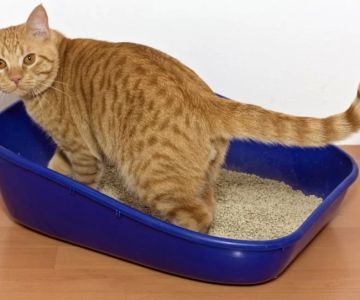
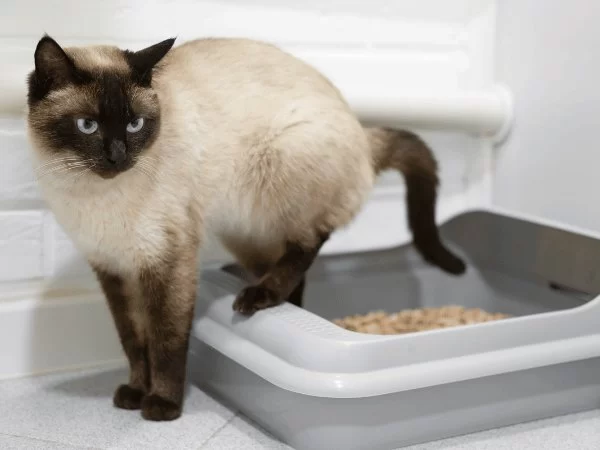
- Straining to Defecate: One of the most obvious signs of constipation is when my pets are straining or making repeated attempts to defecate without success. If you notice your pet in the litter box or bathroom for longer than usual, it’s worth checking their behavior.
- Decreased or Absence of Bowel Movements: If your pet hasn’t defecated in a day or two and isn’t eating or drinking as much, constipation might be the culprit. In my experience, it’s important to monitor their bowel habits closely.
- Hard, Dry Feces: When my pet does pass stool, I look for it to be particularly hard, dry, or small. This is a common symptom of constipation. Healthy stool should be soft and easily passed.
- Abdominal Discomfort or Bloating: If your pet appears to be uncomfortable, bloated, or is licking their abdomen excessively, constipation could be to blame. Some pets might even show signs of pain or discomfort when touched around their stomach area.
- Changes in Appetite or Behavior: A constipated pet may lose interest in food or exhibit a general lethargy. I’ve noticed that pets suffering from constipation can be more irritable or withdrawn, so if your pet seems off, it could be related to digestive issues.
Common Causes of Constipation in Pets
Understanding the root causes of constipation has been critical in treating my pets effectively. Constipation in pets can result from a variety of factors. Here are some common causes that I’ve learned about:
- Dehydration: One of the most common causes of constipation I’ve seen is dehydration. If my pets aren’t drinking enough water, their stool becomes dry and hard, making it difficult to pass. This is especially common in cats, who are notorious for not drinking enough water on their own.
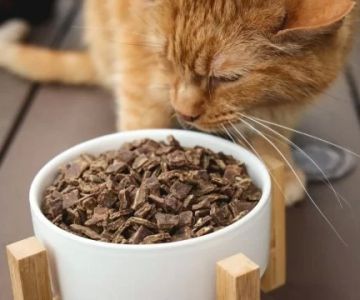
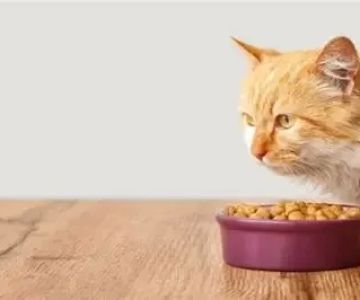
- Dietary Issues: Poor diet and lack of fiber can also lead to constipation. I’ve found that pets fed primarily dry food can often become constipated, as it doesn’t provide enough moisture or fiber. Ensuring a balanced diet is essential for digestive health.
- Inactivity: Just like us, pets need regular exercise to keep their digestive systems functioning properly. When my pets don’t get enough physical activity, such as daily walks for dogs or playtime for cats, it can lead to sluggish digestion and constipation.
- Obesity: Overweight pets are more prone to constipation due to the strain excess weight places on their digestive system. Keeping my pets at a healthy weight has helped with their overall digestive health.
- Underlying Health Issues: In some cases, constipation can be a sign of a more serious health condition, such as hypothyroidism, kidney disease, or even spinal problems. If I notice persistent constipation, I’ve learned that it's essential to consult a veterinarian to rule out any serious health issues.
How to Treat Constipation in Pets
Treating constipation in pets requires a combination of home care and professional veterinary intervention. When my pet first shows signs of constipation, I follow a few steps to help them feel better:
- Increase Water Intake: I’ve found that encouraging my pets to drink more water is often the first step in relieving constipation. Adding water or broth to their food, using a pet water fountain, or offering ice cubes can help hydrate them and soften their stool.
- Adjust Their Diet: I switch to a higher-fiber diet for my pets, incorporating canned food for cats or adding pumpkin puree to my dog's meals. Fiber helps promote regular bowel movements, and it can often ease constipation in a day or two.
- Encourage Exercise: Physical activity plays a crucial role in keeping my pets’ digestive systems moving. Regular playtime, walks, or even running around in the backyard can help get their digestive system back on track.
- Laxatives or Stool Softeners: In more severe cases, my veterinarian may recommend using stool softeners or laxatives that are safe for pets. I’ve learned to avoid human medications, as they can be harmful to pets.
- Enemas: For pets with severe constipation, my veterinarian might suggest giving them an enema to help relieve the condition. It’s important to never attempt this at home without professional guidance, as improper technique can harm your pet.
When to Visit a Veterinarian
If home treatments don’t resolve the issue within a couple of days, or if my pet’s constipation is accompanied by vomiting, lethargy, or lack of appetite, I immediately contact a veterinarian. Persistent constipation can indicate a more serious underlying health issue that requires professional diagnosis and treatment. My vet can perform a thorough examination and may recommend X-rays or blood tests to pinpoint the cause of the constipation and provide the most effective treatment.
While I’ve been able to treat mild cases of constipation with home remedies, I’ve learned the importance of veterinary care when it comes to serious or recurring issues. Getting my pets the right care has helped them recover quickly and prevent future episodes of constipation.
If your pet is showing signs of constipation, it's crucial to monitor them closely and seek appropriate treatment. For more expert advice or help managing your pet’s health, I highly recommend visiting Hidden Brook Veterinary for personalized care and recommendations on the best products for your pet’s digestive health.