How to Spot and Treat Fungal Skin Infections: A Comprehensive Guide
As someone who’s struggled with fungal skin infections in the past, I can tell you firsthand how frustrating and uncomfortable they can be. These infections are surprisingly common, and while they often seem harmless, if left untreated, they can lead to more serious complications. Over the years, I’ve learned how to spot the symptoms early and manage the treatment effectively. In this article, I’ll walk you through everything you need to know about identifying and treating fungal skin infections, based on my experience and research. Whether you’ve had a fungal infection before or you're trying to prevent one, this guide will provide useful information and insights.

Recognizing the Symptoms of Fungal Skin Infections
The first step in addressing a fungal skin infection is recognizing the symptoms. These infections can occur anywhere on your skin, but they tend to thrive in areas that are warm and moist. I remember when I first started noticing the signs of a fungal infection on my skin; it looked like a rash, and I couldn’t figure out what was causing it. Here are some key symptoms I’ve found that can help identify a fungal infection:

1. Redness and Itching
One of the first signs I noticed was persistent redness on my skin, especially around the folds of my body like my elbows, groin, and between my toes. The redness was often accompanied by an intense itching sensation that didn’t go away. This is a common symptom of fungal infections, especially in warm and damp areas. The itch can range from mild to severe, and it usually gets worse as the infection spreads.
2. Peeling or Flaking Skin
As the infection progressed, I noticed that my skin began to peel or flake. This happens because the fungus affects the outer layer of skin cells, causing them to slough off. In more severe cases, the peeling can become so pronounced that it leads to cracks and painful sores.
3. Discoloration or Ring-like Shapes
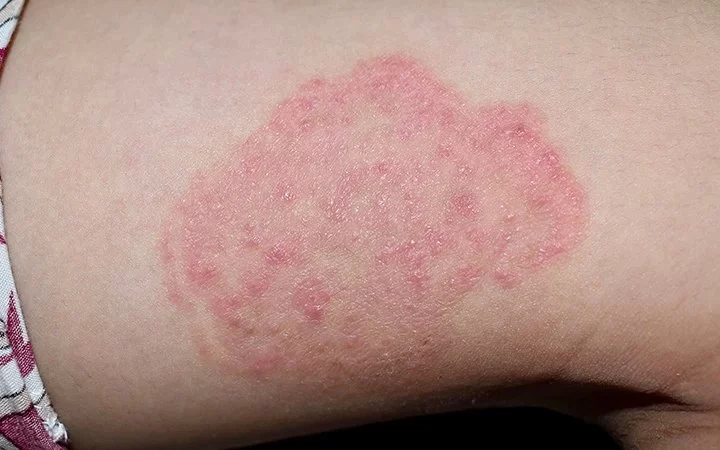
Fungal infections, particularly those caused by dermatophytes, can create circular or ring-like rashes. I’ve seen this most commonly with ringworm, which forms a distinctive ring-shaped rash with raised edges and a clearer center. The appearance of a ring-shaped rash is a classic sign of a fungal infection and usually indicates that it has spread beyond the initial area of contact.
What Causes Fungal Skin Infections?
Fungal infections are caused by a variety of fungi, many of which are naturally present in our environment. When the right conditions are met—such as heat, moisture, and poor hygiene—these fungi can multiply and cause an infection. Some of the most common causes of fungal skin infections include:
1. Excess Moisture
Fungi thrive in moist environments, which is why fungal infections are more common in areas of the body that stay damp, like the feet, armpits, and groin. After I started working out more frequently, I noticed that my feet were often moist from sweat, and that’s when I developed athlete’s foot. Keeping your skin dry is crucial for preventing these infections.
2. Damaged or Compromised Skin
Any break in the skin, like a small cut, can provide an entry point for fungi. I’ve learned that even minor abrasions or wounds can put me at risk for a fungal infection. This is why it’s important to take care of any skin injuries and keep them clean and dry to prevent infections from taking hold.
3. Close Contact with Infected People or Surfaces
Fungal infections are contagious, which means they can spread through direct contact with an infected person or surface. I recall that during a trip to a public pool, I accidentally contracted a fungal infection on my feet after walking barefoot. The spores from the fungus were likely on the pool deck. Public showers, locker rooms, and gyms are common places where fungal infections spread, so it’s important to wear flip-flops in these areas.
How to Treat Fungal Skin Infections
Once I recognized the signs of a fungal infection, I knew that timely treatment was key to preventing it from worsening. There are several treatment options, from over-the-counter antifungal creams to prescribed medication. The right treatment depends on the severity of the infection, the location, and the type of fungus involved.
1. Topical Antifungal Creams and Ointments
For mild fungal infections, topical antifungal treatments are often effective. These creams contain ingredients like clotrimazole, terbinafine, or miconazole, which target the fungus directly. I remember applying these creams for a few weeks to my affected areas, and the rash and itching gradually diminished. It’s essential to follow the instructions on the product and apply the cream consistently, even after the symptoms disappear, to ensure the infection is completely eradicated.
2. Oral Antifungal Medication
In some cases, if the infection is extensive or doesn’t respond to topical treatments, doctors may prescribe oral antifungal medications. These medications are typically used for more severe infections, such as those that affect the nails or deeper skin layers. I once had a persistent fungal infection on my nails, and my doctor prescribed oral medication, which cleared it up in a few weeks.
3. Home Remedies for Fungal Infections
While medical treatments are often necessary, I’ve also found some home remedies that help alleviate symptoms and speed up recovery. Some of these remedies include:
- Tea Tree Oil: Known for its antifungal properties, tea tree oil can be applied directly to the affected area. I’ve used it in the past with positive results, especially for smaller, superficial infections.
- Apple Cider Vinegar: Its acidity can help kill fungus. I diluted apple cider vinegar with water and used it as a rinse for my feet to treat athlete’s foot.
How to Prevent Fungal Skin Infections
Preventing fungal infections is always better than dealing with them later. I’ve learned a lot about how to prevent these infections by maintaining good hygiene and taking simple precautions:
1. Maintain Good Hygiene
Keeping your skin clean and dry is crucial in preventing fungal infections. I make sure to shower regularly and dry my body thoroughly, especially in areas where moisture tends to accumulate. After workouts, I change into dry clothes as soon as possible to prevent moisture buildup.
2. Wear Protective Footwear in Public Areas
Public places like gyms, swimming pools, and locker rooms are breeding grounds for fungi. I’ve made it a habit to wear flip-flops or sandals when I’m in these areas to avoid direct contact with potentially contaminated surfaces.
3. Avoid Sharing Personal Items
Since fungi are contagious, I always make sure not to share personal items like towels, socks, or shoes with others. This reduces the risk of spreading or contracting a fungal infection.
If you suspect you have a fungal skin infection or need further assistance, don’t hesitate to visit a healthcare provider. You can also explore helpful resources and products for skin care at Hidden Brook Veterinary for expert advice and recommendations.