How to Tell If Your Dog Has Loose Stools: Signs and Solutions
As a pet owner, it's important to stay on top of your dog’s health, and one of the key indicators of your pet's overall well-being is its digestive health. Dogs, like humans, can experience digestive issues, and loose stools are one of the most common symptoms. But how do you know if your dog is experiencing loose stools? And more importantly, how can you help them feel better? In this article, we’ll take a look at the signs of loose stools in dogs, what might be causing them, and how to manage the issue.
1. What Are Loose Stools in Dogs?
Loose stools are essentially soft or watery stools that may be more frequent than normal. While it's normal for a dog to have occasional variations in stool consistency, persistent or very soft stools can be a sign of an underlying issue. Unlike firm, healthy stools, loose stools often indicate a disturbance in the digestive system, which could be caused by several factors.
2. Signs of Loose Stools in Dogs
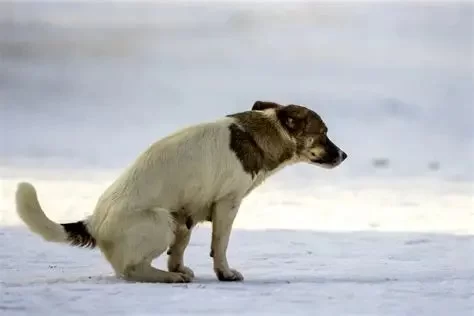
The most obvious sign that your dog may have loose stools is when you notice them passing soft or watery stools during their usual bathroom breaks. However, there are additional signs that could indicate a digestive problem:
Frequent Bowel Movements: If your dog seems to be going outside more than usual or asking to go out multiple times in a short period, it could be a sign that their digestive system is upset.
Increased Urgency: You may notice that your dog is trying to go outside more frequently, or they're showing signs of discomfort when trying to go potty. This urgency can be due to irritation in the gut.
Changes in Appetite: Dogs with digestive issues might lose their appetite or eat less than usual. Alternatively, some dogs may eat more as they try to relieve the discomfort.
Gas and Bloating: Gas or bloating could accompany loose stools, as this may indicate that food isn't being digested properly or that there’s irritation in the gut.
3. Causes of Loose Stools in Dogs
There are many potential reasons why a dog might experience loose stools. Some of the most common causes include:
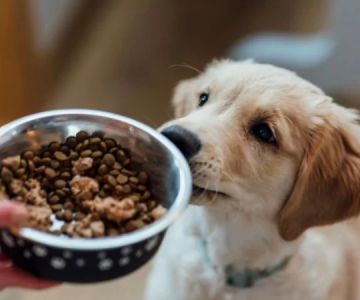
Dietary Changes: If you've recently switched your dog’s food or introduced new treats, it might be causing an upset stomach. Some dogs have more sensitive stomachs than others, and sudden changes in diet can lead to loose stools.
Food Allergies or Intolerances: Just like people, dogs can be allergic to certain foods, such as dairy, wheat, or meat proteins. These allergies can cause digestive upset, including diarrhea.
Parasites: Intestinal parasites, such as worms or giardia, are a common cause of loose stools in dogs. These parasites can irritate the digestive tract and cause frequent, watery stools.
Infections: Bacterial or viral infections, such as parvovirus or salmonella, can cause severe diarrhea and other gastrointestinal symptoms.
Stress or Anxiety: Stress from traveling, changes in routine, or a move to a new environment can lead to digestive upset in dogs. Dogs that are anxious or stressed may develop loose stools as a reaction.
Underlying Health Conditions: Chronic conditions such as inflammatory bowel disease (IBD), pancreatitis, or tumors can cause chronic diarrhea or intermittent loose stools.
4. What Should You Do If Your Dog Has Loose Stools?
If you notice that your dog is experiencing loose stools, here are a few steps you can take:
1. Monitor the Situation: Keep an eye on the frequency and consistency of your dog’s stools. If it’s a one-off event, your dog may just be dealing with a mild digestive upset. However, if it continues for more than 24-48 hours, it’s time to take action.
2. Ensure Proper Hydration: Loose stools can lead to dehydration, so make sure your dog has access to fresh water at all times. Dehydration can make the problem worse, so keep an eye on how much your dog is drinking.
3. Remove Food for 12-24 Hours: If your dog has severe diarrhea, it’s sometimes recommended to withhold food for a short period (12-24 hours). This gives their digestive system time to rest and recover. Always check with your vet before withholding food, especially if your dog is a puppy or senior.
4. Consider a Bland Diet: After the fasting period, you can introduce a bland diet like boiled chicken and rice. This can help soothe your dog’s stomach and give their digestive system time to recover.
5. When Should You See a Vet?
If your dog’s loose stools persist for more than a couple of days, or if they’re accompanied by other symptoms such as vomiting, lethargy, or fever, you should consult a veterinarian immediately. A vet will be able to run tests to determine the cause and provide the necessary treatment to help your dog feel better.
If your dog is very young, old, or has an underlying health condition, it’s also important to seek veterinary care quickly. Diarrhea in these dogs can lead to complications more quickly than in healthy adult dogs.
It's essential to keep your dog healthy and comfortable, so being proactive about noticing changes in their bathroom habits is vital. If you're unsure about your dog’s symptoms, or if they need treatment, visiting a veterinarian like 【Hidden Brook Veterinary】 can help ensure that your dog gets the best care possible.