- Understanding Itchy Ears in Pets
- Common Causes of Itchy Ears in Dogs and Cats
- How to Treat and Relieve Itchy Ears in Pets
- When to Seek Veterinary Help for Itchy Ears
Understanding Itchy Ears in Pets
As a pet owner, there’s nothing more heartbreaking than seeing your furry companion struggle with discomfort, especially when it comes to itchy ears. I’ve been there before, watching my dog scratch incessantly at his ears, looking uncomfortable and distressed. If you’ve experienced this with your pet, you know how frustrating it can be to figure out what’s causing the itchiness and how to help them find relief.
Itchy ears in pets are a common issue, but they are also one of the most overlooked problems. It’s important to recognize the signs early, as untreated ear discomfort can lead to infections, hearing loss, or long-term health issues. Fortunately, most cases of itchy ears can be treated with the right approach. In this guide, I’ll share my personal experience and the steps you can take to help alleviate your pet’s ear discomfort, whether they’re a dog, cat, or other animal.
Common Causes of Itchy Ears in Dogs and Cats
Understanding what’s causing your pet’s itchy ears is the first step in finding the right treatment. There are several common culprits that can lead to itchy ears in pets. Let’s take a look at some of the most frequent causes:
- Ear Infections: Ear infections are a leading cause of ear itching in both dogs and cats. These infections can be caused by bacteria, yeast, or fungi, and they often result in inflammation, pain, and discomfort. If you notice your pet scratching their ears, shaking their head, or even rubbing their ears on the floor, it could be a sign of an infection.
- Allergies: Pets, particularly dogs, can develop allergies to a variety of environmental factors, such as pollen, dust mites, or certain foods. Allergies can lead to itchy ears, often accompanied by redness and swelling. In my experience, my dog’s seasonal allergies often triggered ear scratching, especially in the spring and fall.
- Ear Mites: Ear mites are tiny parasites that live inside your pet’s ears, causing intense itching. They’re more common in cats, but dogs can also be affected. If your pet’s ears are extremely itchy, especially if there’s a lot of dark, waxy discharge, ear mites might be the cause.
- Moisture and Wax Build-Up: Excessive moisture and wax can accumulate in your pet’s ears, creating an environment for bacteria or yeast to thrive. This is especially common in dogs that swim frequently or have floppy ears that trap moisture. If you notice a foul odor or your pet’s ears appear greasy, it may indicate a wax build-up or excess moisture.
- Foreign Objects: Sometimes, a small object like grass, dirt, or even a bug can get lodged in your pet’s ear, causing irritation and itching. If your pet is scratching at one ear more than the other, this might be the cause.
It’s important to identify the root cause of your pet’s itchy ears to treat the problem effectively. In some cases, it may be a simple fix like cleaning the ears or using an ear cleaner, but in other instances, more extensive treatment may be needed. Let’s dive into how you can treat and relieve your pet’s itchy ears.
How to Treat and Relieve Itchy Ears in Pets
As a pet owner, I’ve learned a lot about how to help alleviate ear discomfort in pets. Over the years, I’ve had to treat my dog for ear infections, allergies, and even ear mites. Here are some of the most effective methods I’ve used to treat itchy ears in pets:
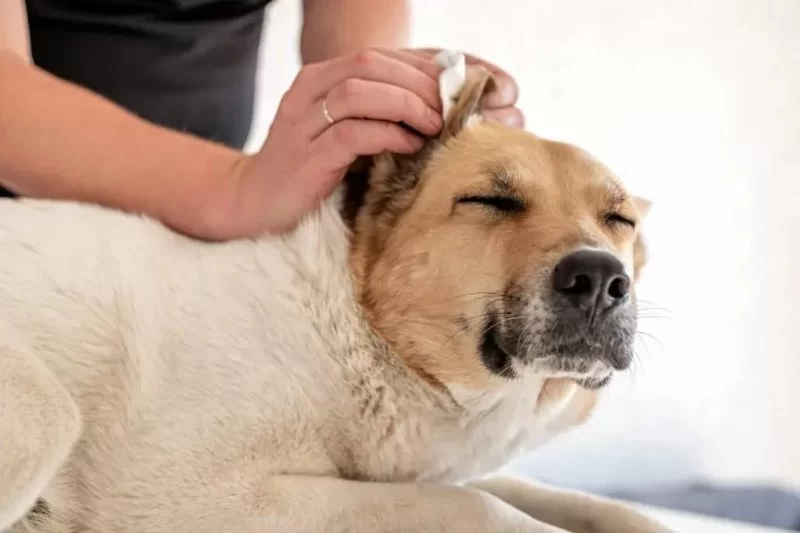
- Ear Cleaning: Regular ear cleaning is one of the best ways to prevent and treat ear issues in pets. I recommend using a vet-approved ear cleaner to gently clean your pet’s ears, removing dirt, wax, and moisture. Be sure to use a soft cotton ball or gauze to avoid causing any irritation.
- Medication for Infections: If your pet has an ear infection, it’s important to treat it with the appropriate medication. In my experience, the vet prescribed antibiotics or antifungal drops to clear up infections. Always follow your vet’s instructions and complete the full course of treatment.
- Allergy Management: If allergies are causing your pet’s itchy ears, you may need to manage the allergies with antihistamines or a change in diet. I’ve had success with hypoallergenic dog food, which helped reduce my dog’s allergy symptoms, including ear discomfort. You can also try limiting exposure to allergens, such as dust or pollen, by keeping your home clean and using air purifiers.
- Flea and Tick Control: If ear mites are the cause of your pet’s itchy ears, using flea and tick prevention products can help eliminate the mites. I’ve found that topical treatments, as recommended by my vet, worked well in clearing up ear mites quickly. Your vet may also recommend an ear mite treatment specifically for your pet.
- Use of Natural Remedies: For mild cases of itching, some pet owners use natural remedies like coconut oil or aloe vera gel to soothe the ear area. I’ve occasionally used coconut oil to help moisturize my pet’s ears, especially after a bath, as it can help relieve dryness and irritation.
It’s important to consult with a veterinarian before starting any treatment to ensure that you’re using the best method for your pet’s condition. If the ear issues persist or worsen, a vet visit is crucial to prevent further complications.
When to Seek Veterinary Help for Itchy Ears
While many cases of itchy ears in pets can be treated at home, there are times when veterinary intervention is necessary. I’ve learned from experience that it’s important to seek help when:
- Symptoms Persist: If your pet’s itchy ears continue despite cleaning and at-home treatments, it’s time to see a vet. Persistent itching can indicate an infection or underlying health issue that requires professional attention.
- Severe Discomfort: If your pet is in obvious pain, shaking their head excessively, or showing signs of distress, it’s important to get them checked by a vet. Severe discomfort could be a sign of a more serious infection or injury.
- Presence of Discharge: If there’s a lot of dark, foul-smelling discharge from your pet’s ears, it could indicate a bacterial or yeast infection that requires medical treatment.
- Visible Injury: If you suspect your pet has a foreign object lodged in their ear or if you notice any cuts, swelling, or redness, it’s best to consult your vet for proper removal and care.
In my case, I found that taking my dog to the vet early prevented many of the ear issues from becoming more serious. A vet can provide accurate diagnostics, prescribe the right treatments, and help keep your pet’s ears healthy.
If you’re dealing with itchy ears in your pet, don’t hesitate to consult with a trusted veterinarian. For expert care and advice, I recommend visiting Hidden Brook Veterinary, where you can find comprehensive services for your pet’s health and wellness.